أخبار عالمية تقدم إشارات واضحة حول ما يهم في المستقبل

EN
Middle East, Opinions

Regional concern grows over a stalled deal, despite rising Gulf support for de-escalation!

Opinions

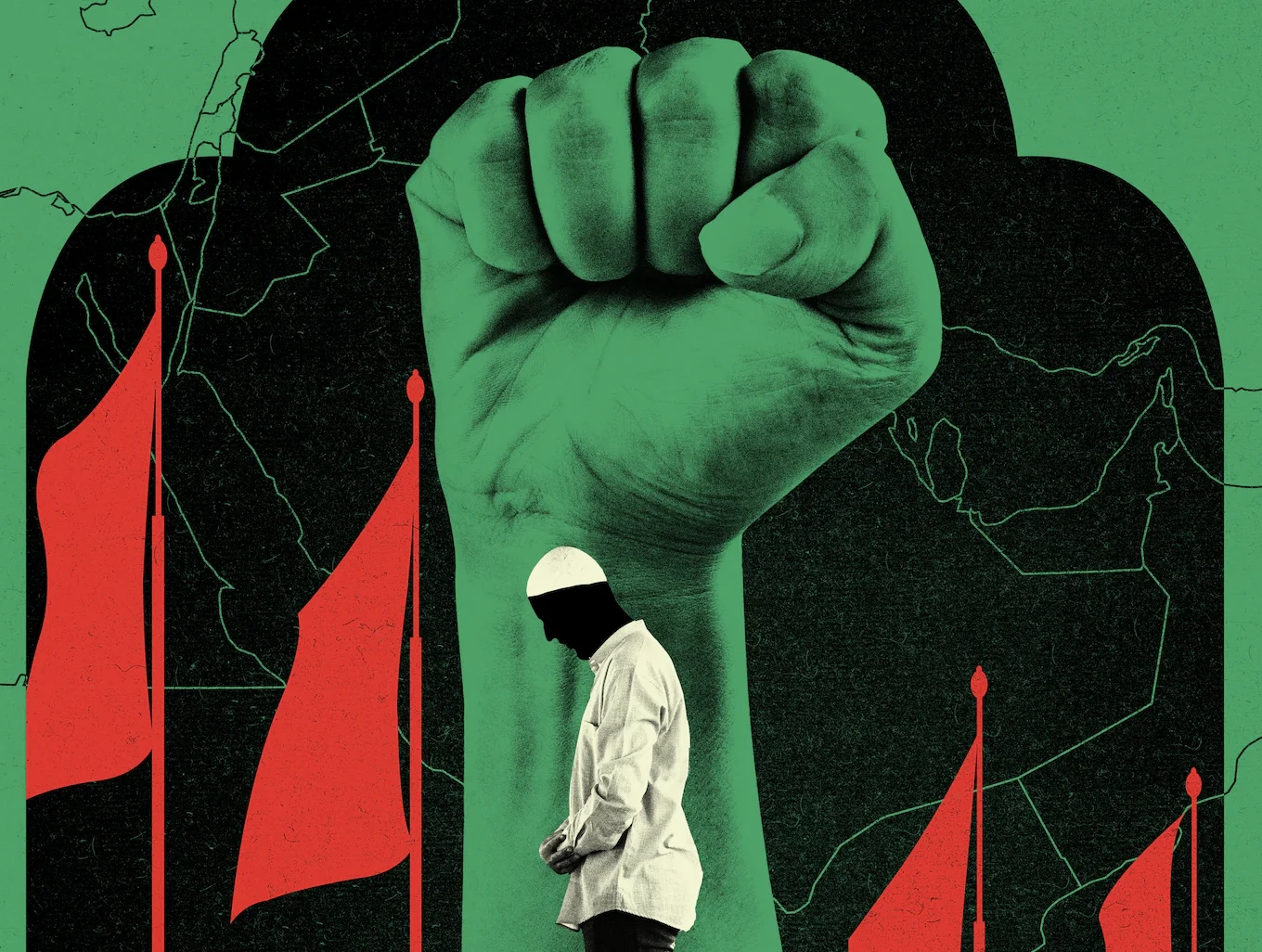
Iran’s Leaders Want to Reach a Deal But Washington Does Not Fully Understand How Decision-Making Works Inside the Regime!

Opinions

Middle East Ideologies Collapse: From Big Dreams to Lasting Crises!

Opinions, Technology

Will AI End Anonymity? A Test Shows Models Can Trace Writers Through Style!

Opinions

The Strategy of “Deal Fragmentation” Is Iranian Diplomacy’s Last Exit

Opinions, Technology

What Does AI Know About You? Surprising Personal Insights From Daily Chats!

Opinions

New York Times: The UAE Is at the Heart of the New Equation as War Ends the Old Arrangements!

Opinions, The World

Wall Street Journal: Why Is Tehran’s Regime, and Others Like It, So Hard to Bring Down?

Opinions, Technology

Anthropic’s Mythos: Opening the Most Dangerous Security Door Ever!

Opinions

Hezbollah Surprises Israel With a Strong Return in the New War!

Middle East, Opinions

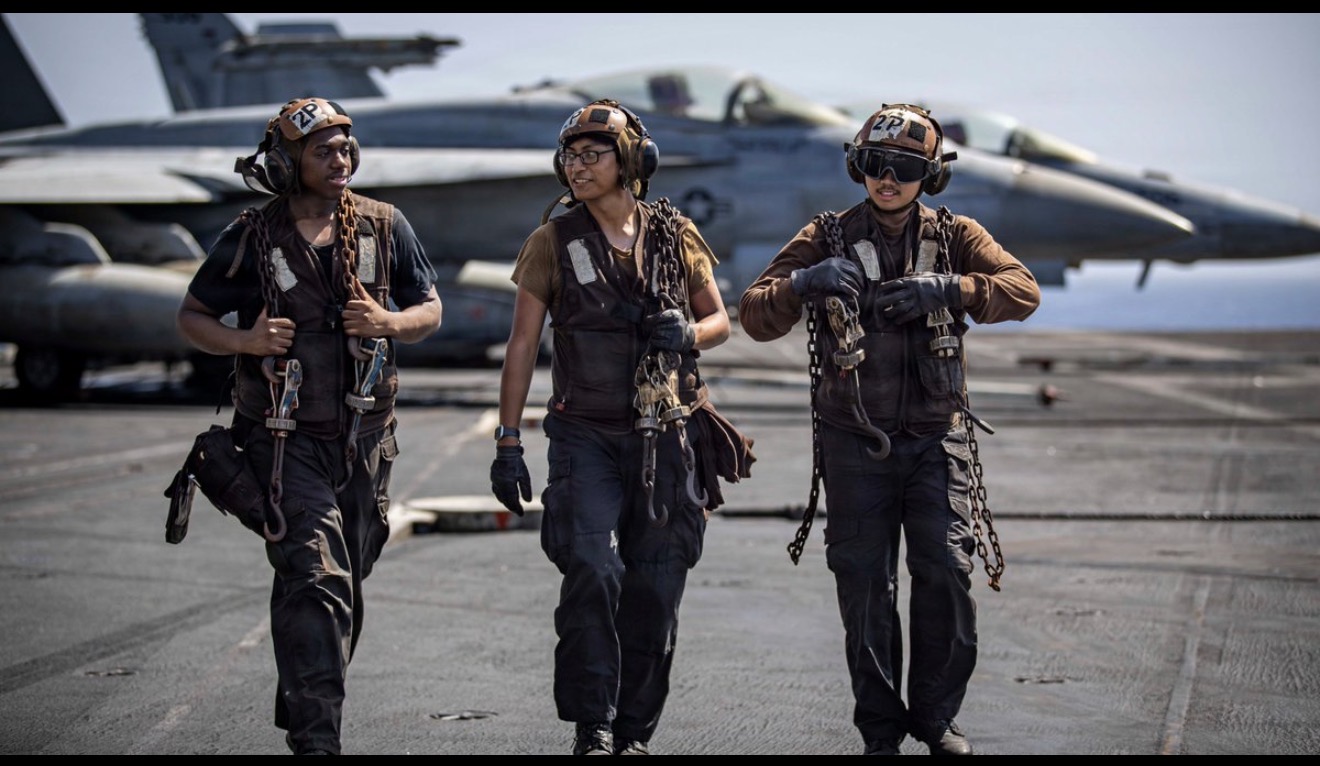
Regional concern grows over a stalled deal, despite rising Gulf support for de-escalation!

1- Washington and Tehran appear close to an initial de-escalation framework, but the deal remains fragile.
2- New U.S. strikes in southern Iran and leaked additional conditions are raising doubts about whether the agreement can survive.
3- Gulf states are pushing to contain the war while preparing for the possibility of renewed Iranian escalation.
Opinions

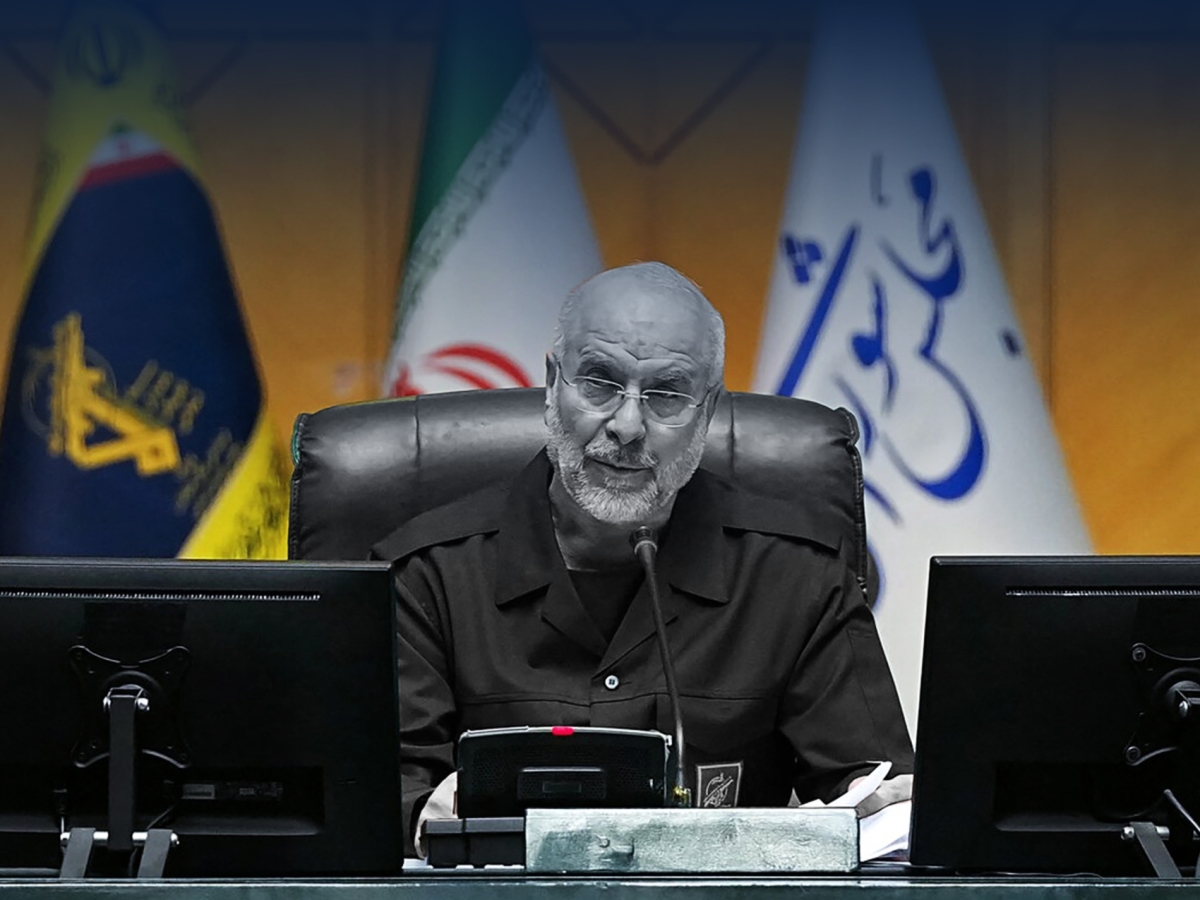
Iran’s Leaders Want to Reach a Deal But Washington Does Not Fully Understand How Decision-Making Works Inside the Regime!

1- Arash Azizi argues in The Atlantic that explaining the deadlock in U.S.-Iran talks as a simple clash between the IRGC and diplomats is incomplete and misleading.
2- Infighting inside the Iranian regime is real, but it does not follow a military-versus-civilian line. Instead, it revolves around conservative, technocratic, security, and parliamentary power centers.
3- According to the writer, the institutional balance currently leans toward supporting negotiations rather than sinking them, especially with the rise of Mohammad Baqer Qalibaf as a central figure managing both war and diplomacy.
Opinions

Middle East Ideologies Collapse: From Big Dreams to Lasting Crises!

1- Arab nationalism, socialism, and political Islam promised transformation but ended in deep failures.
2- Political Islam, despite being the most recent, still obstructs stability and development.
3- New regional shifts are opening the door to a more open model balancing markets, faith, and stability.
Opinions, Technology

Will AI End Anonymity? A Test Shows Models Can Trace Writers Through Style!

1- An AI model experiment showed it can identify authors of unpublished texts through writing style.
2- The model successfully linked short excerpts to known writers based on linguistic fingerprints.
3- Concerns are rising about the future of online anonymity as linguistic analysis tools advance.
Opinions

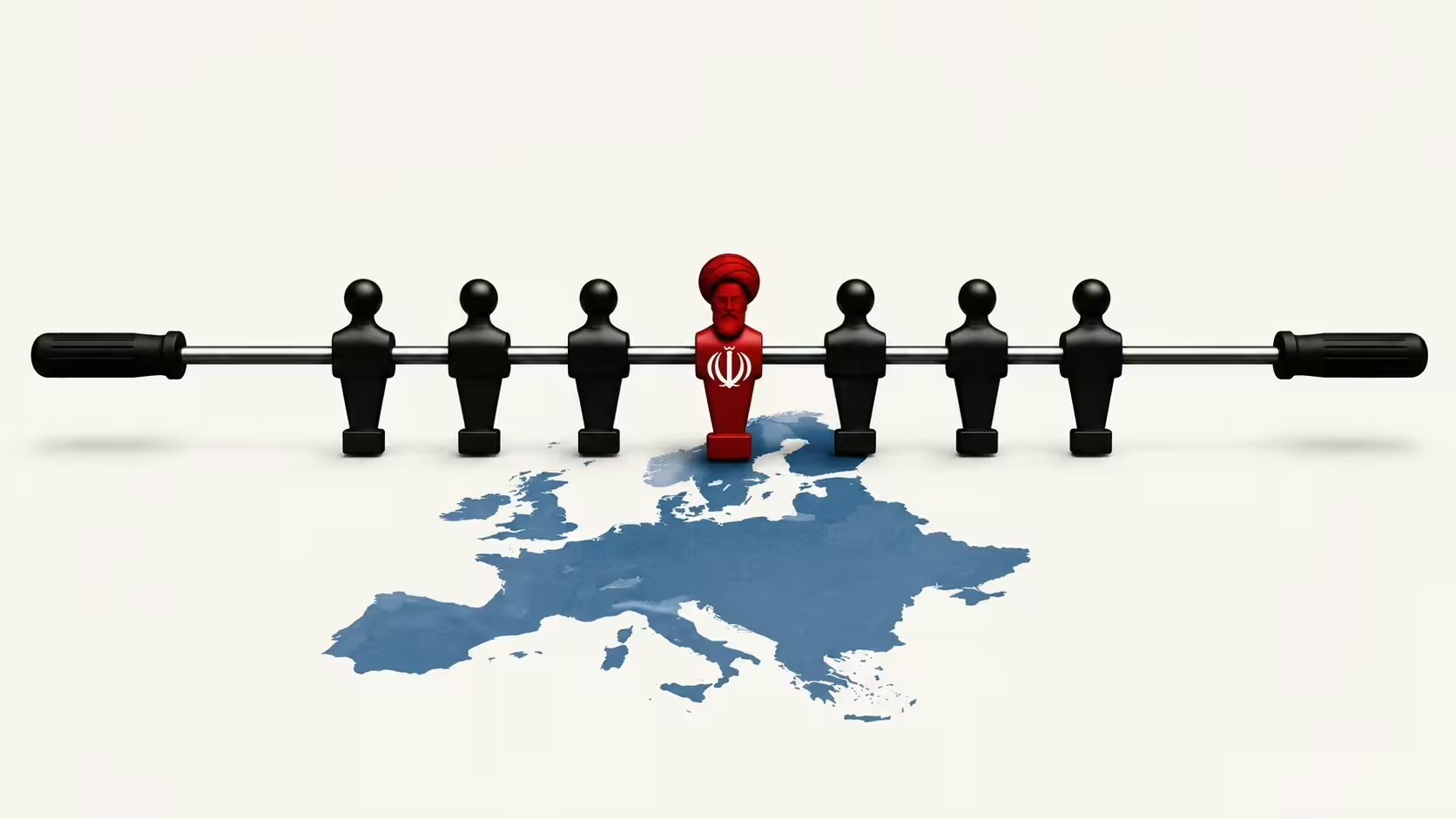
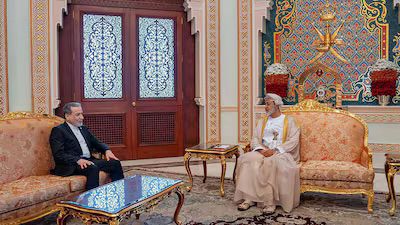
The Strategy of “Deal Fragmentation” Is Iranian Diplomacy’s Last Exit

There is a fundamental difference between victory and the story of victory. Victory imposes its terms all at once. A manageable defeat, by contrast, must be distributed across maps, capitals, files and vocabularies. That is precisely what Tehran appears to be doing now. It is not moving toward a single grand bargain bearing a clear signature with Washington. Such a bargain would look, at home, too much like surrender. So Iran is trying to break the deal into separate tracks. The nuclear file is pushed toward Moscow. The Strait of Hormuz is handled through Muscat, allowing Tehran to avoid appearing solely responsible for retreating from its own threat. De-escalation passes through the modest diplomatic room of Islamabad. Regional cover is arranged with Riyadh, Ankara and Cairo. Beijing remains the psychological reserve of strategic reassurance. This is not diplomatic chaos. Judging from Abbas Araghchi’s latest tour, it looks more like an architecture of exit.
Opinions, Technology

What Does AI Know About You? Surprising Personal Insights From Daily Chats!

1- AI use has become a daily habit for more than half of Americans.
2- Conversations reveal highly detailed insights into users’ preferences and behavior.
3- Extreme cases highlight the risks of emotional attachment to chatbots.
Opinions

New York Times: The UAE Is at the Heart of the New Equation as War Ends the Old Arrangements!

1- The New York Times says the UAE is no longer just a financial partner for Washington. It has become a strategic pillar in the economy, technology, and investment, something the war has made even clearer.
2- The war with Iran showed that major Gulf investments, led by the UAE, cannot be separated from regional stability and the protection of the Gulf’s economic and security infrastructure.
3- The relationship between the UAE and the United States has moved beyond the traditional model and now requires a new framework that matches its real weight.
Opinions, The World

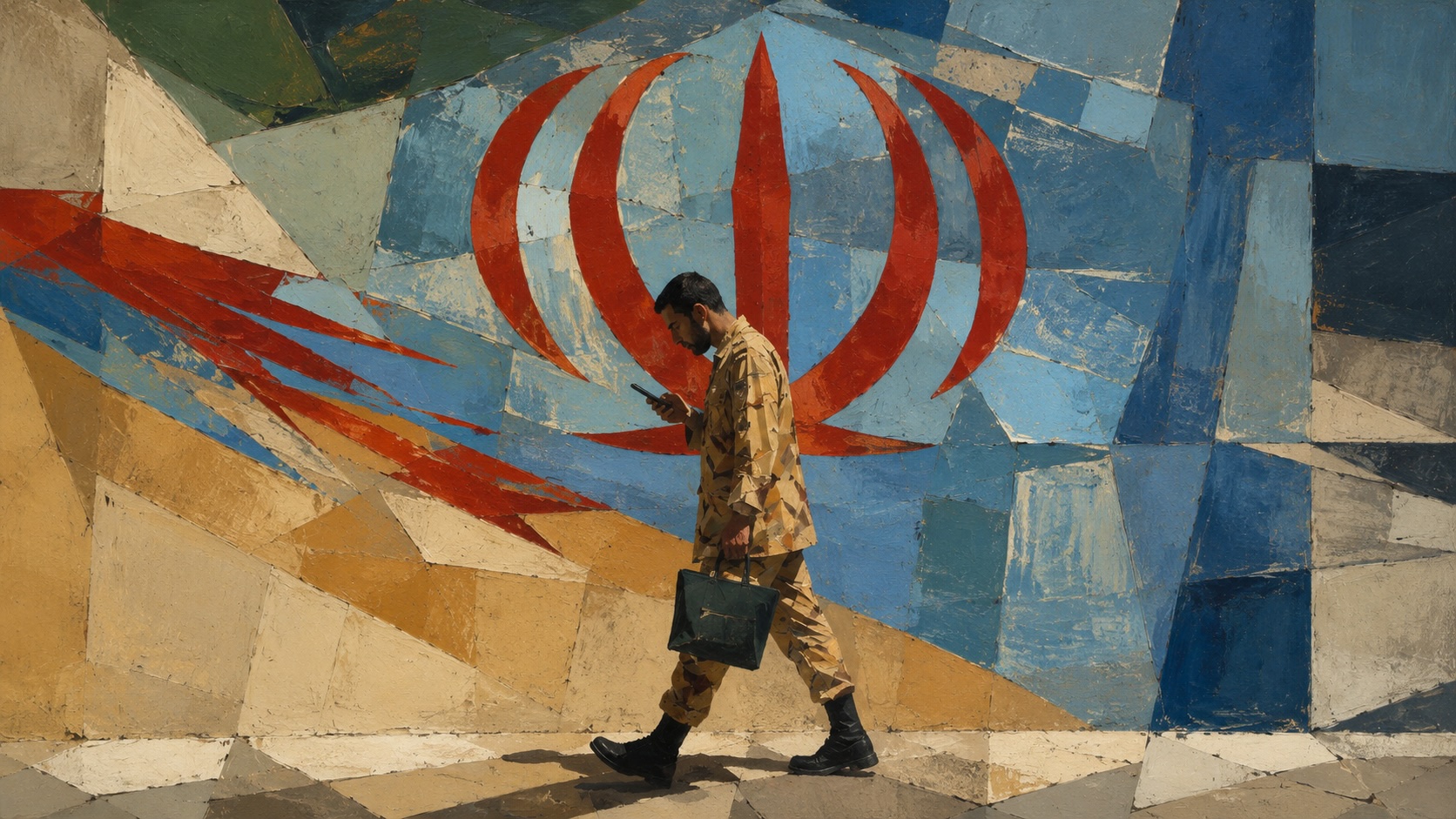
Wall Street Journal: Why Is Tehran’s Regime, and Others Like It, So Hard to Bring Down?

1- The war showed that Iran did not surrender quickly under U.S. and Israeli pressure, but held out for more than a month before reaching a cease-fire.
2- The secret of survival is not its military strength alone, but repression, propaganda, security institutions, and the normalization of losses inside authoritarian systems.
3- Iran, Russia, and North Korea are increasingly exchanging the tools of survival, from security technology to military and political support.
Opinions, Technology

Anthropic’s Mythos: Opening the Most Dangerous Security Door Ever!

1) A new Anthropic model can detect and exploit critical vulnerabilities across major systems.
2) Tech giants are quietly racing to fix flaws instead of releasing the model publicly.
3) The AI race with China makes any pause in development unrealistic.
Opinions

Hezbollah Surprises Israel With a Strong Return in the New War!

1- The group launched dozens of attacks despite earlier claims of weakness.  
2- It relies on small combat units and local arms production.  
3- Israel responds with an expanded ground invasion in southern Lebanon.