The latest
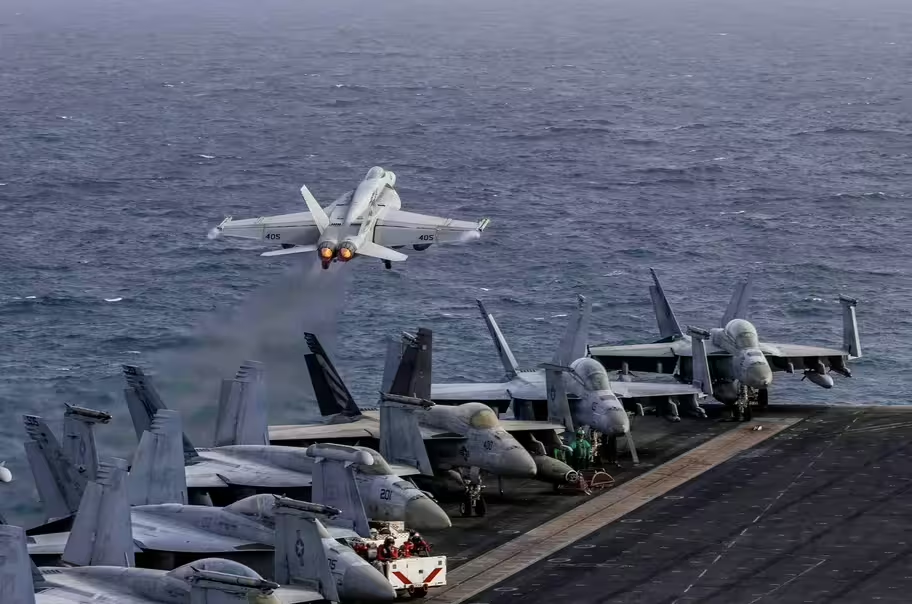
The United States widened the geographic scope of its campaign by striking a military site near Tabriz for the first time since fighting resumed two weeks ago. Iranian media reported that air defenses were activated in Tehran, while additional strikes hit Abdanan and Chovar near the Iraqi border.
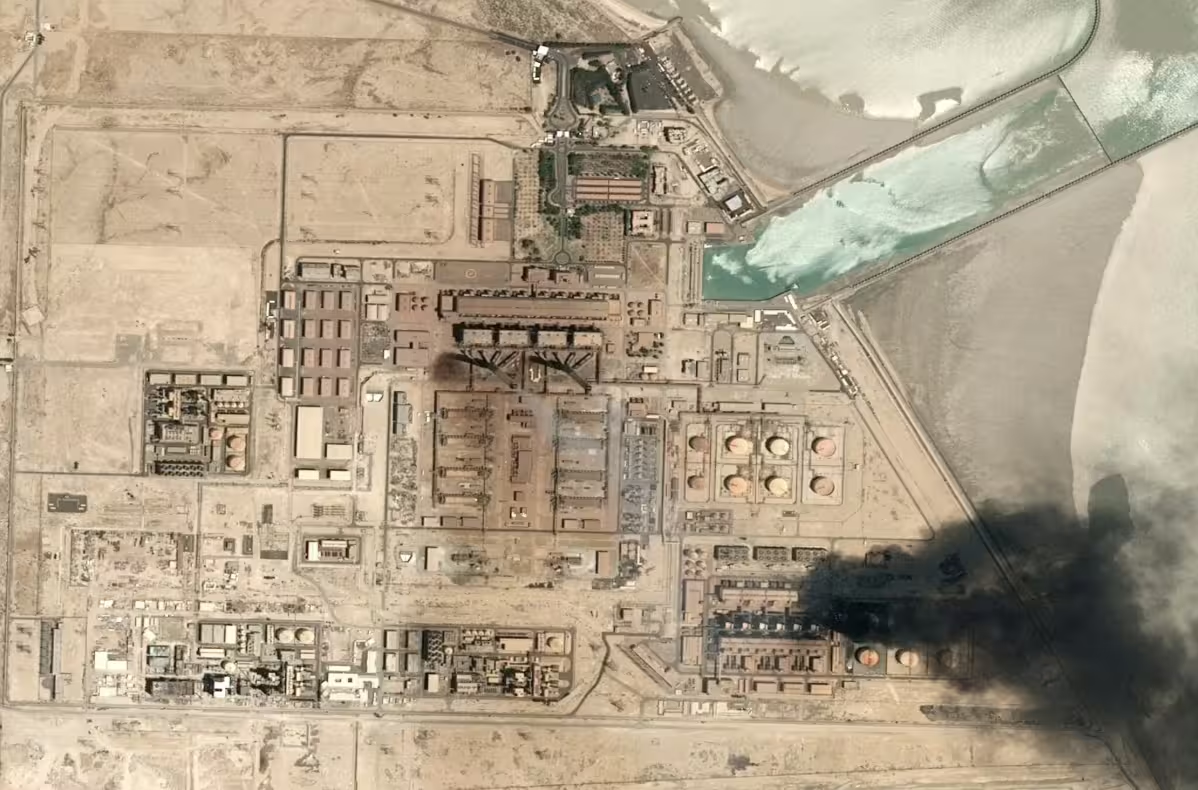
The escalation came on the 11th straight day of U.S. attacks. Iran continued targeting American bases in Kuwait, Bahrain and Jordan. Tehran says the campaign has killed more than 50 people and wounded over 500, while four U.S. service members have died over the past week.
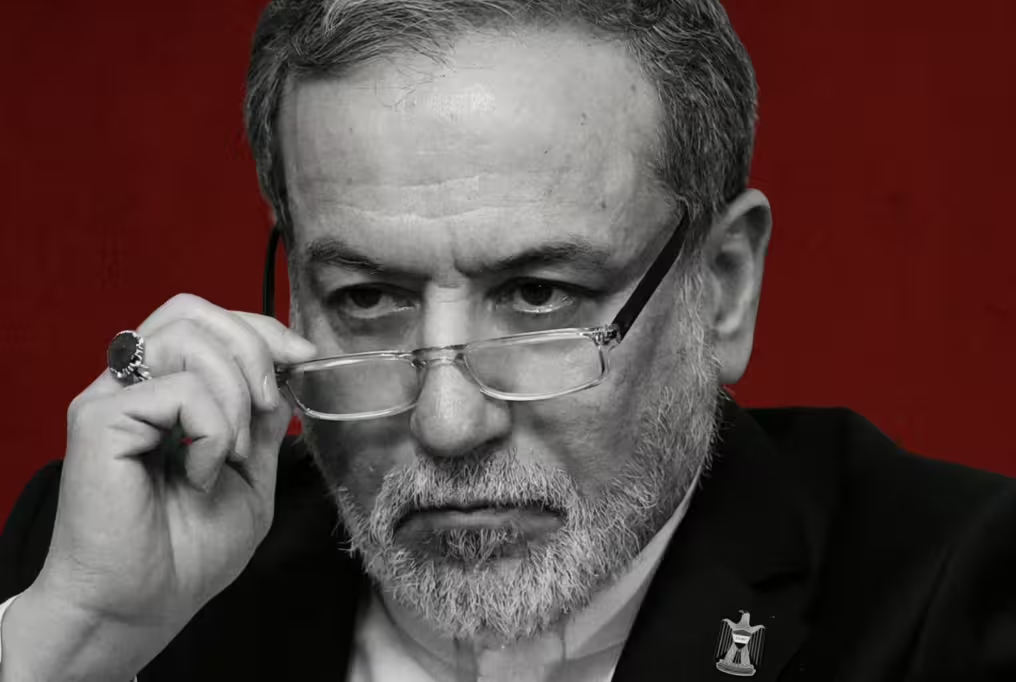
Diplomacy remained largely stalled despite Iranian Interior Minister Eskandar Momeni’s visit to Pakistan, a key mediator alongside Qatar. Iran’s Foreign Ministry said no negotiations were taking place and described the contacts as an exchange of messages centered on Tehran’s demand that Washington comply with the interim ceasefire agreement.
Details
- Washington’s objective: The U.S. says it will intensify the campaign until Iran reopens the Strait of Hormuz and stops attacking energy tankers and commercial ships.
- Tehran’s response: Iran continues to target ships and American bases while denying that it is seeking renewed negotiations.
- Nuclear threat: Donald Trump has raised the possibility of striking Pickaxe Mountain, which the U.S. and Israel suspect may be linked to Iran’s nuclear program.
- Iranian warning: Tehran has threatened a powerful response to any attack on its nuclear facilities or other sensitive infrastructure.
- Yemen front: The Houthis have threatened ships calling at Saudi ports amid signs of possible maritime operations near the Bab el-Mandeb Strait.
- Economic impact: Brent crude approached $94 a barrel, while fuel prices and U.S. Treasury yields rose on renewed inflation concerns.
Between the lines
The campaign is no longer confined to sites connected to the Strait of Hormuz and Iran’s southern coast. Strikes near Tabriz, combined with threats to shipping near Bab el-Mandeb, point to a geographic expansion that could simultaneously pressure the Gulf and Red Sea energy corridors.
What to watch
Attention will focus on whether Trump follows through on his threat against Pickaxe Mountain and whether Pakistan and Qatar can turn indirect messages into negotiations. Houthi action remains the most immediate risk of opening another maritime front and pushing oil prices higher.