The latest
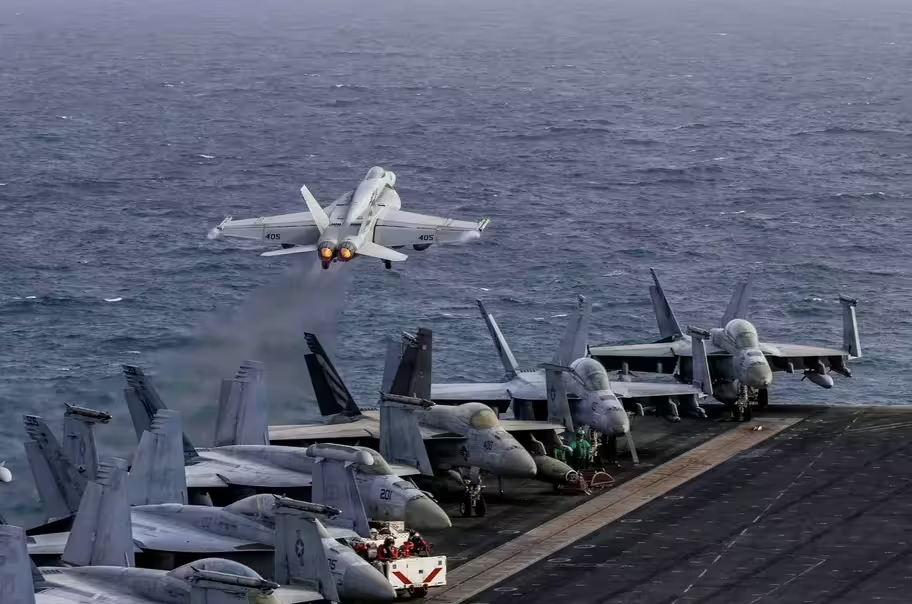
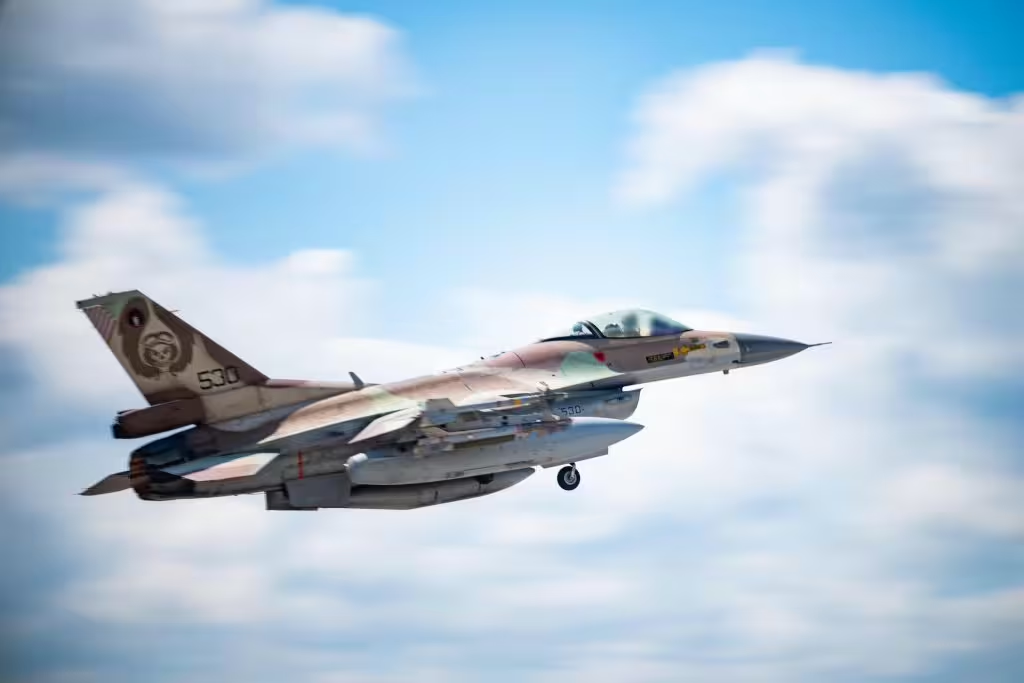
The Israeli Air Force has remained on maximum alert for more than a month as Iran avoids direct attacks on Israel, according to Maariv. The report says Tehran is instead concentrating on U.S. military targets in the Gulf to avoid provoking another large-scale Israeli air campaign against its military infrastructure.
Details
- Israeli assessment: Maariv reported that Iranian leaders believe they survived the confrontation with the United States and still possess strategic leverage, particularly through their ability to threaten shipping in the Strait of Hormuz.
- Why restraint: According to the report, Tehran believes any direct strike on Israel would trigger immediate Israeli air raids targeting Iran’s air defenses and military facilities.
- Current focus: The report says Iran has limited its attacks to U.S. military targets in the Gulf and has not activated its regional proxy groups in Lebanon, Iraq, Yemen or Syria during the current campaign.
- Israeli readiness: An Israeli military source told the newspaper that the air force continues operating combat squadrons and missile defense batteries around the clock, with additional reserve pilots and armed aircraft kept ready for immediate deployment.
- Interceptor stockpile: The same source said Israel’s interceptor missile inventory has grown as interception rates declined, while domestic defense industries continue operating at an accelerated pace.
Background
The heightened alert follows the direct Israel-Iran air conflict in June, during which Israel struck Iranian military facilities and air defense systems. The United States and Iran are now exchanging strikes in the Gulf without the conflict escalating into a broader regional war, according to Western and U.S. assessments. Western analysts have also warned that any direct Iranian attack on Israel could trigger a much wider military response.
Between the lines
The current pattern suggests both sides are attempting to manage escalation rather than expand it. Iran appears focused on pressuring the United States, while Israel is preparing for the possibility that the confrontation could shift toward its territory without actively entering the conflict for now.
What to watch
The next phase will depend on the trajectory of U.S.-Iran military exchanges. Any direct Iranian strike on Israel or broad activation of Tehran’s regional proxy network could rapidly widen the conflict.