News
The Iran file has returned to a point of maximum pressure between Washington, Tel Aviv, and Tehran. U.S. President Donald Trump told Axios that Iran would face stronger strikes if it does not present a better offer to end the war, saying time is running out.
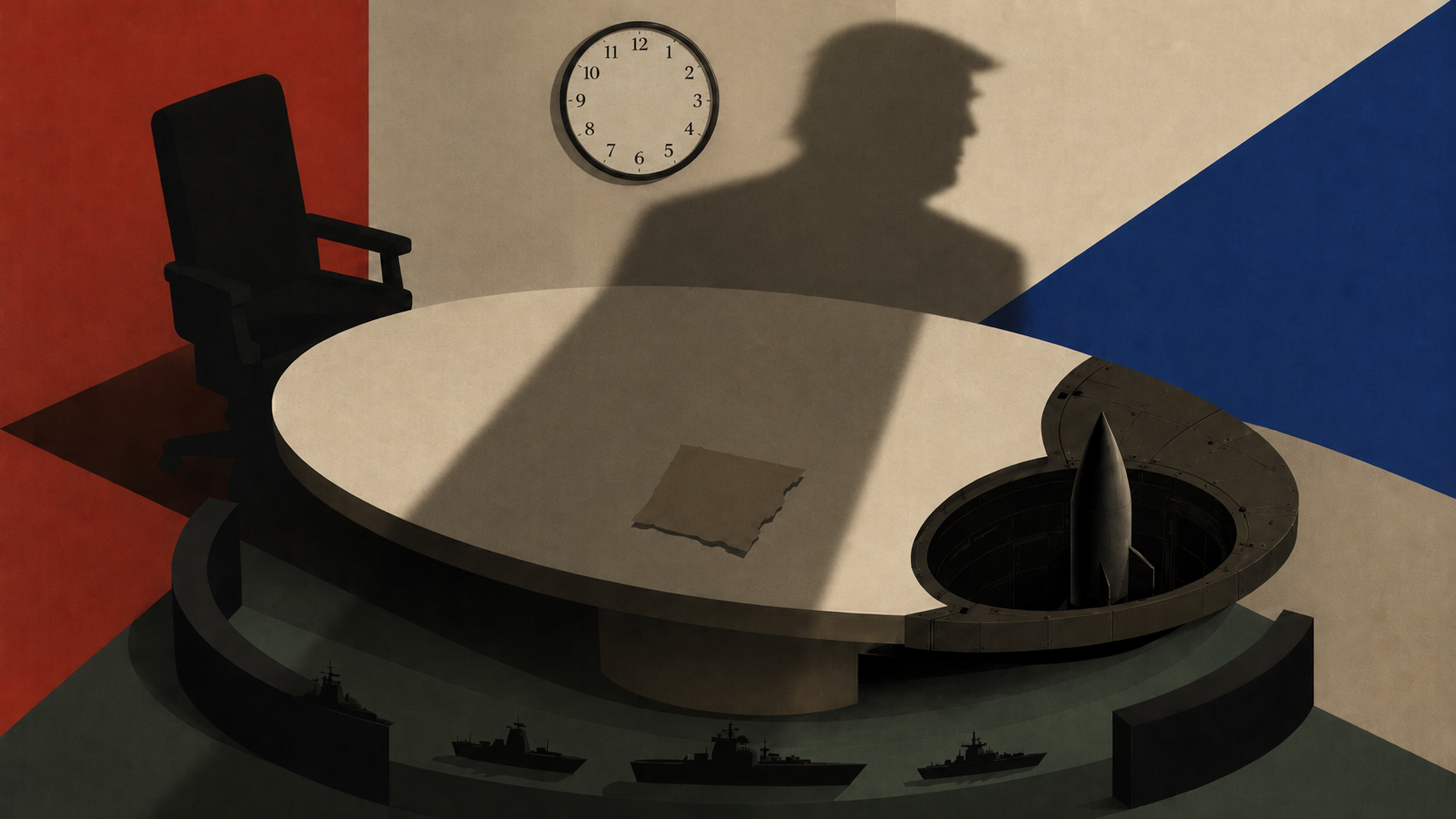
This comes ahead of an expected meeting in the White House Situation Room on Tuesday with senior national security advisers to discuss military options toward Iran, according to U.S. officials who spoke to Axios.
Details:
• Trump says he still believes Iran wants a deal, but is waiting for an updated Iranian proposal that is better than the previous offer, without setting a final deadline for negotiations.
• Trump met Saturday with members of his national security team at his Virginia golf club. Attendees included Vice President JD Vance, envoy Steve Witkoff, Secretary of State Marco Rubio, and CIA Director John Ratcliffe, according to Axios.
• In Israel, Netanyahu spoke with Trump about Iran ahead of a limited security meeting, amid Hebrew-media reports that Washington and Tel Aviv are discussing the possibility of renewed war with Iran.
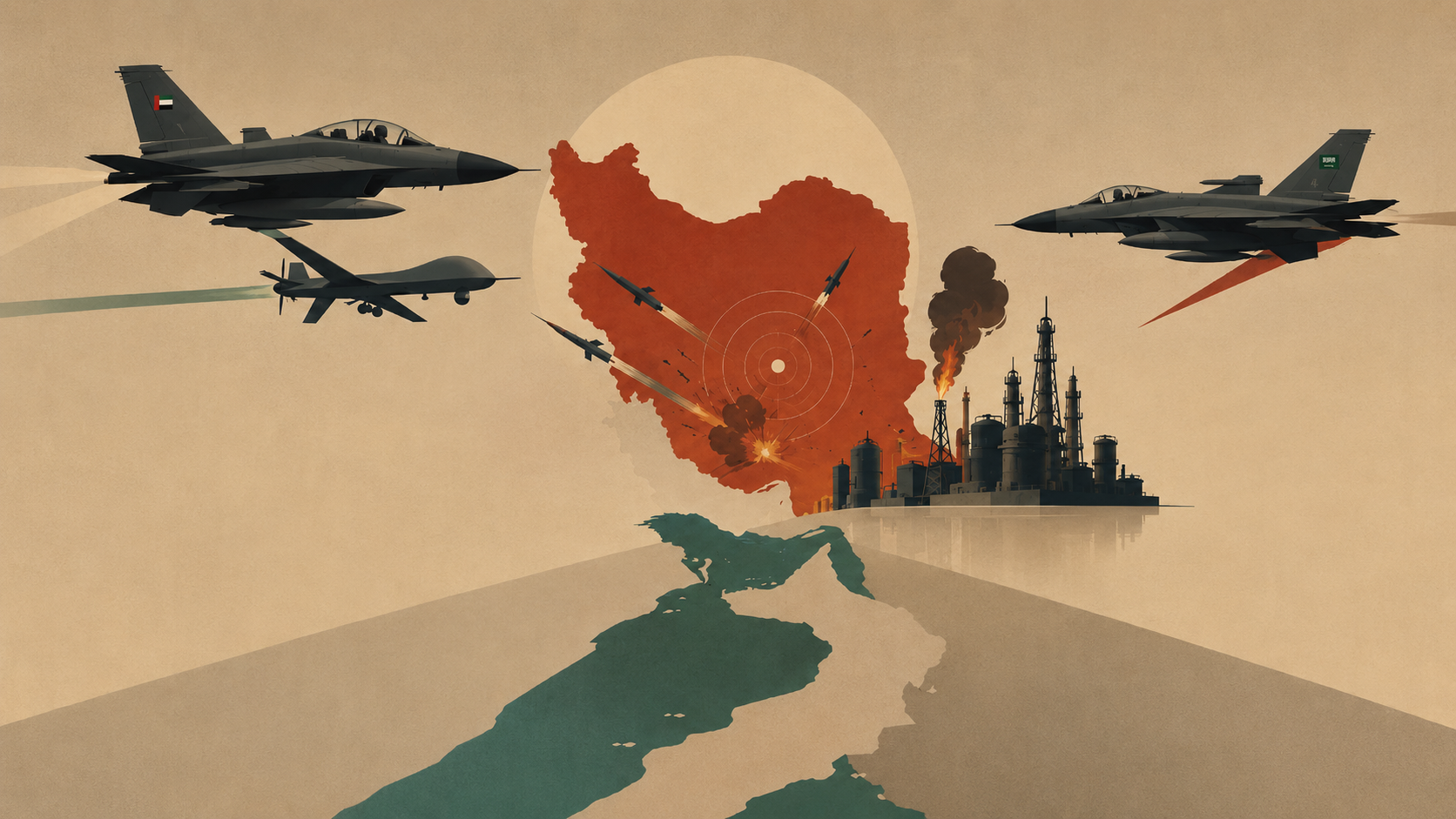
• A drone attack on the UAE’s Barakah nuclear power plant added further sensitivity to the scene. Emirati authorities said the attack damaged an electrical generator outside the plant’s inner perimeter, with no radiological impact, while international reports said investigations are still underway to determine the source.
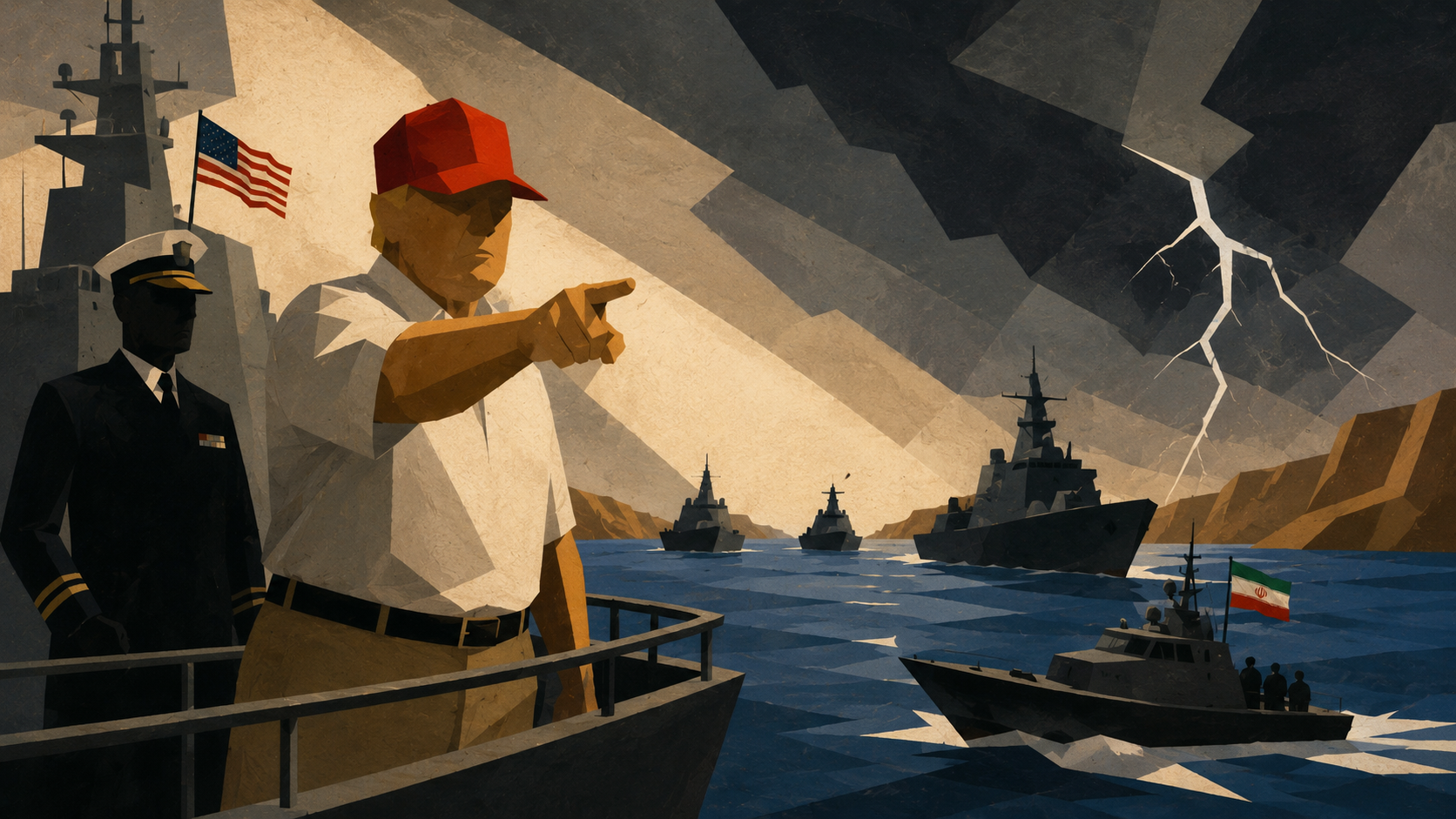
• In response, Tasnim quoted Mohsen Rezaei as saying the U.S. naval blockade is a continuation of war, that Iran’s patience has limits, and that the armed forces are preparing, adding that Tehran will break the naval blockade.
• This escalation places three arenas on the same track:
- Stalled negotiations mediated by Pakistan and Qatar.
- A U.S.-Israeli discussion over resuming strikes.
- An Iranian response equating the blockade with war.
What’s next?
The closest test will be Tuesday’s meeting at the White House. If Washington does not receive an acceptable Iranian offer before then, the file could move from political threats to more explicit preparation of military options, especially amid growing Israeli pressure and rising risks of escalation in the Gulf.,