News
Since Donald Trump’s first threat about destroying Iran, the ceasefire has entered an open-ended game of extensions: warning, deadline, mediation, then another warning.
The good: full-scale war has not returned yet.
The bad: each side is acting as if the ceasefire is just an operational pause.
The ugly: one Trump post has become enough to move markets, confuse commentators, and raise Israel’s alert level.
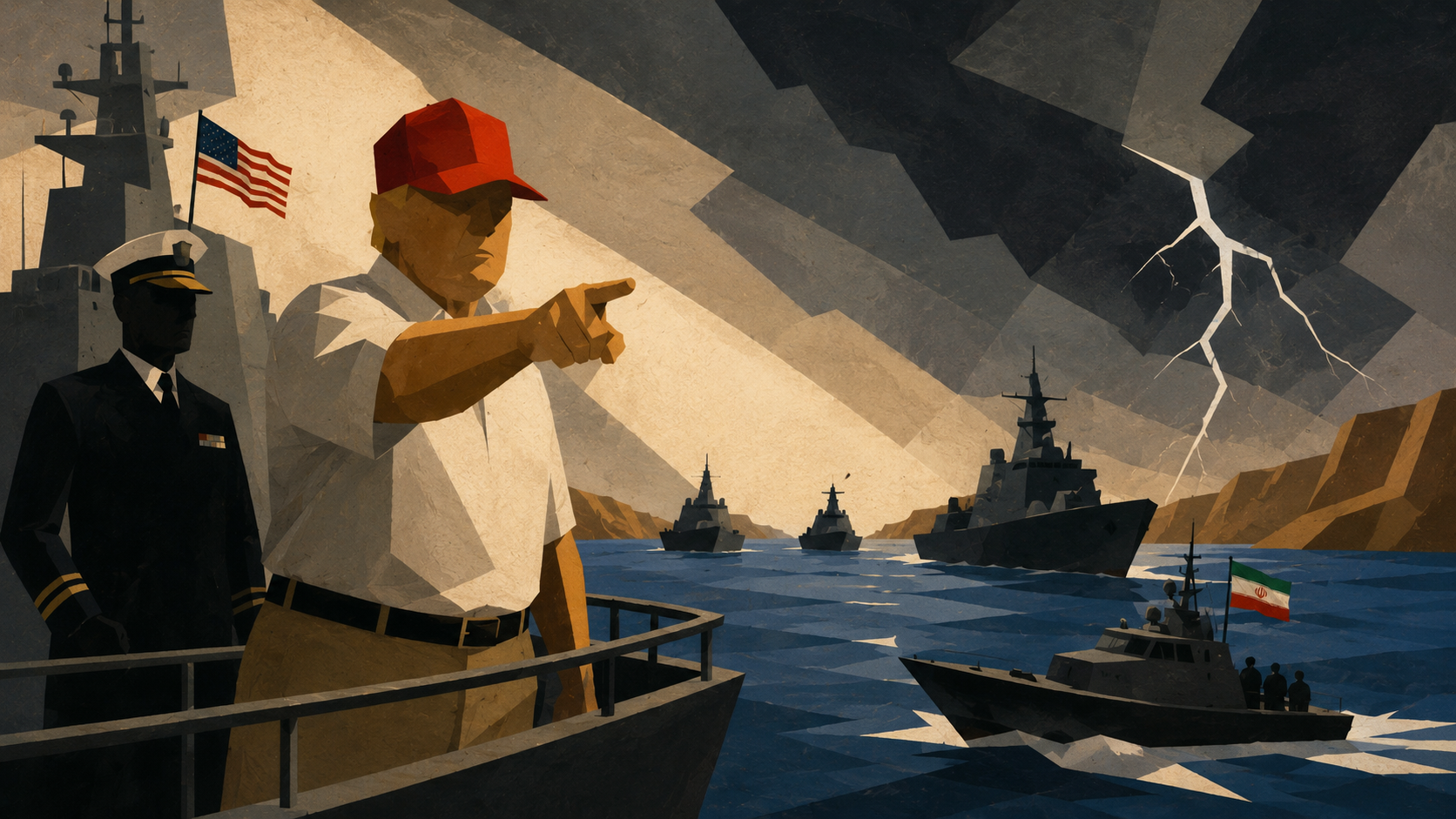
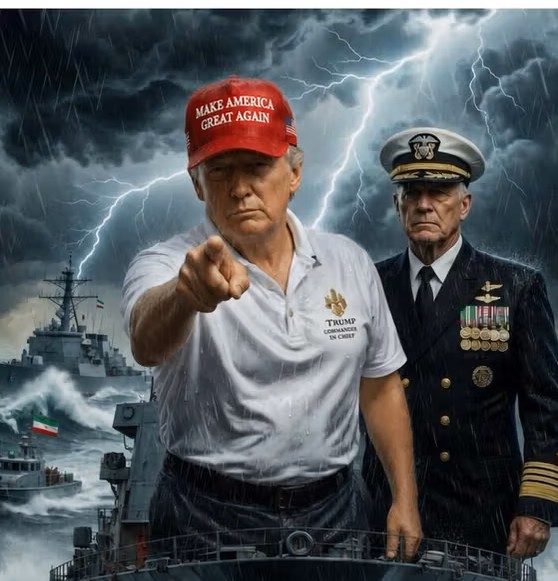
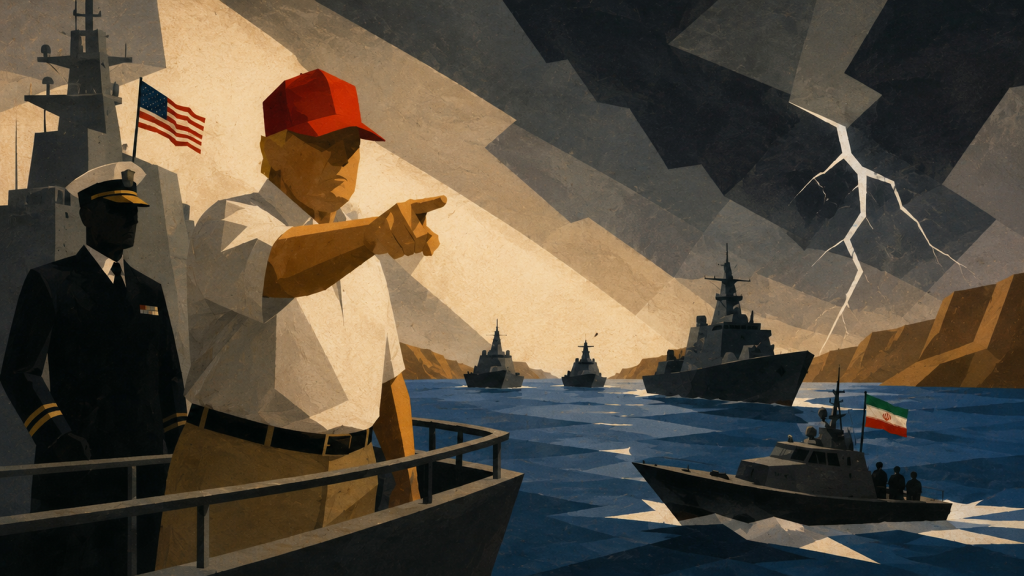
The image Trump posted last night looked like an AI-designed war poster: Trump standing at the front of a warship, wearing a MAGA hat, a naval officer behind him, lightning and storm clouds above, and ships carrying the Iranian flag in the background.
The text above the image reads: “It Was The Calm Before The Storm.” The problem is not only the word “storm,” but also the word “was.”
Trump did not say we are in the calm before the storm; he said it was the calm before the storm. That means the calm, linguistically and politically, is already behind us. That is why the reading immediately shifted from an ambiguous meme to a possible threat message ahead of a military decision.
The post is tied to reports about internal administration discussions on resuming airstrikes against Iran if efforts to break the diplomatic deadlock fail.
Details
• The good: Pakistan has not left the scene. Pakistani Interior Minister Mohsin Naqvi arrived in Tehran for a two-day official visit as part of his country’s efforts to facilitate talks between Washington and Tehran, after Islamabad had previously hosted a high-risk direct meeting between the two sides. This means a political channel is still operating, even if it is weak and full of theatrics.
• The bad: Israel’s Channel 13 said Israel raised its readiness level as Trump’s visit to China ended, and that assessments in Jerusalem see a possible window for U.S. action opening after the visit and extending until the opening of the World Cup. The channel also stressed that there is no specific information about a final decision from Trump, but said U.S. options include a short military strike or continuing the blockade, and that the Israeli military expects possible Israeli involvement if the war resumes.
• The ugly: the ceasefire is no longer a clean ceasefire. Iran says it is ready to repel any new U.S. attack, while disruption of navigation in Hormuz and the U.S. naval blockade on Iranian ports continue despite the fragile ceasefire since April.
Fars says Tehran has set conditions for resuming negotiations, including:
- lifting sanctions,
- releasing frozen assets,
- compensation,
- and recognizing Iran’s sovereignty over the Strait of Hormuz.
This is no longer de-escalation diplomacy. This is negotiation under mutual threat.
• Iran’s adaptation: Tehran is trying to re-engineer the strait into a zone of conditional passage. It has begun allowing some Chinese vessels to pass through Hormuz after understandings on corridor-management protocols, while general transit has remained restricted since the U.S. and Israeli strikes in February. The meaning is clear: Iran is opening the door to China and closing it to others according to a political balance, not offering full freedom of navigation.
• The market and ships adapt: the situation now resembles a selective double blockade by both sides. Some ships are trying to adapt by presenting themselves as Chinese or as carrying food supplies to reduce risk, while passage decisions remain tied to flag, ownership, cargo, and previous ports of call. This is the maritime version of a war economy: no one knows the exact rule, and everyone is trying to survive.
What next?
The most important indicator now is not only what Trump’s post is hinting at, but whether the word “was” turns into an actual military order.
If Pakistan remains able to keep Tehran’s channel open, the ceasefire may continue as something ugly but alive. But if Israel keeps raising readiness, and Iran continues managing Hormuz through selective passage, we will be facing a gray phase more dangerous than declared war: no peace, no full-scale war, but accumulating pressure waiting for a spark.