Details
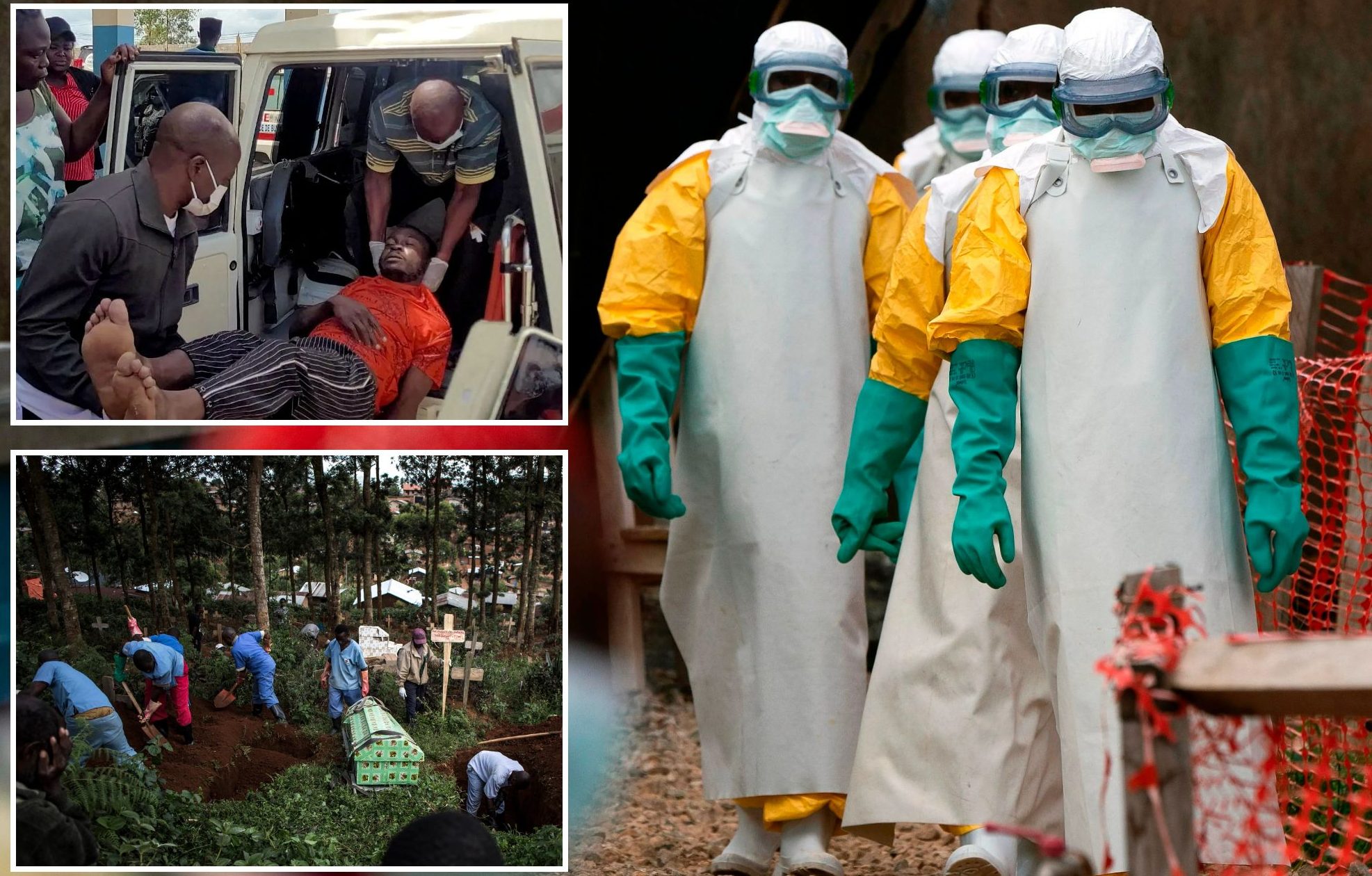
- The World Health Organization declared the Ebola outbreak in the Democratic Republic of Congo and Uganda a public health emergency of international concern after cases spread beyond the original hotspot in eastern Congo.
- WHO said the outbreak does not meet the criteria for a pandemic emergency, but warned that countries sharing land borders with DR Congo face a high risk of further spread.
- Health officials have reported dozens of suspected deaths and hundreds of suspected infections in Ituri province in northeastern DR Congo. The figures remain fluid, with reports ranging from about 80 to 87 suspected deaths and more than 240 to 300 suspected cases.
- The outbreak is linked to the Bundibugyo strain of Ebola. DR Congo’s health minister said the strain has no approved vaccine or specific treatment and can carry a fatality rate of up to 50%.
- Confirmed cases have also been reported in Kinshasa, DR Congo’s capital, and Goma, the eastern city currently controlled by M23 rebels. Uganda has confirmed imported cases in Kampala, including one death linked to a traveller from DR Congo.
- The WHO warned that the outbreak could be much larger than currently detected because of high positivity rates, rising suspected infections and gaps in reporting.
- Health officials said the movement of people between affected areas and neighbouring countries increases the risk of regional spread.
- Doctors Without Borders described the speed of the outbreak’s spread as “extremely concerning” and said it was preparing a large-scale emergency response.
- The WHO urged DR Congo, Uganda and neighbouring countries to strengthen surveillance, border screening, contact tracing, isolation and infection-prevention measures.
- It also warned against border closures or trade restrictions, saying such measures can push people and goods into informal crossings that are harder to monitor.
- This is DR Congo’s 17th Ebola outbreak since the virus was first identified in 1976. The country’s deadliest outbreak, between 2018 and 2020, killed nearly 2,300 people.
What Else
The next challenge is whether health authorities can expand testing and tracing quickly enough to understand the real scale of the outbreak. The warning from the WHO is less about a confirmed global spread and more about the risk that undetected cases are already moving through cities, informal health networks and border routes.
The lack of an approved vaccine for the Bundibugyo strain makes early isolation, safe burials, surveillance and cross-border coordination even more important. If those systems fail, the outbreak could become harder to contain in a region already strained by conflict and high population movement.