News
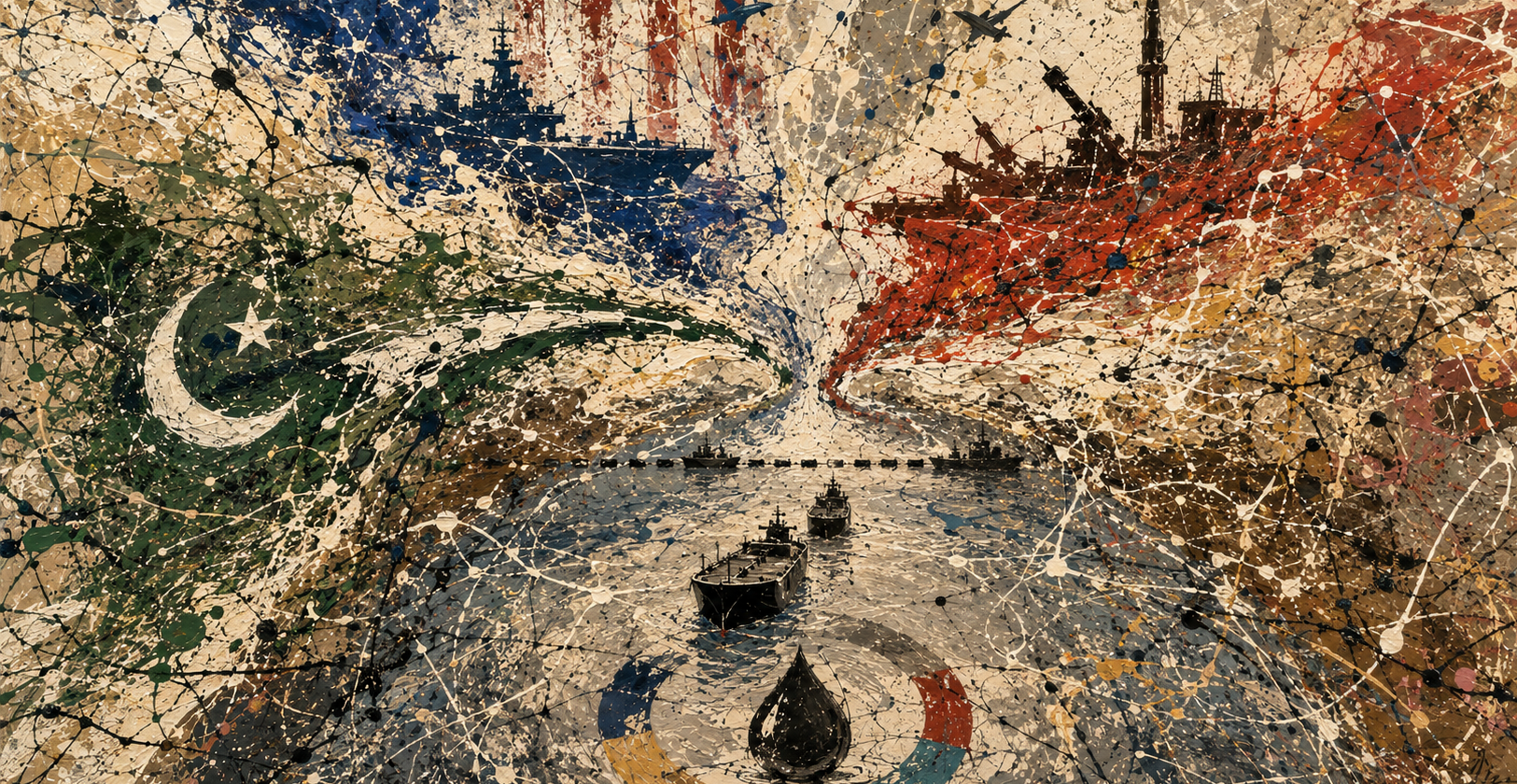
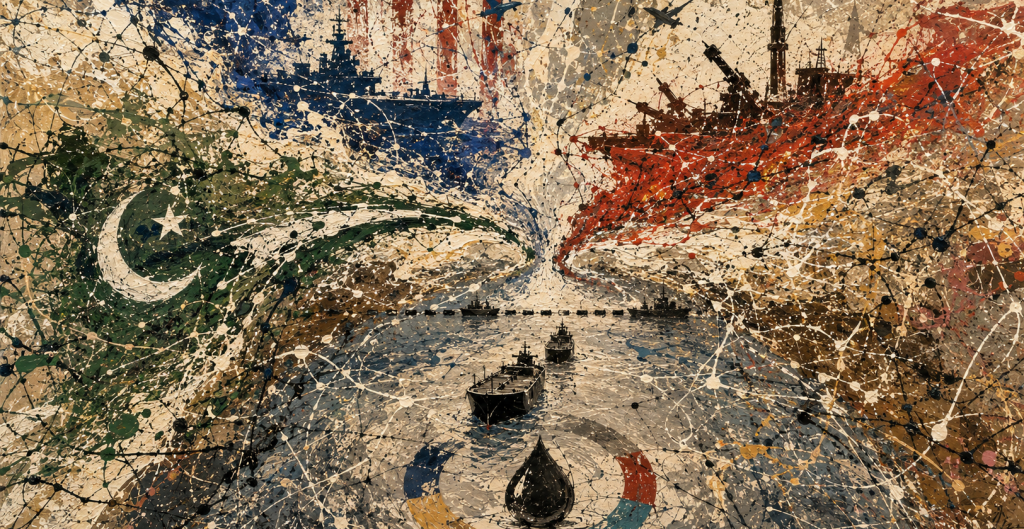
Pakistan transferred a revised Iranian proposal to the United States aimed at ending the conflict in the Middle East, in a new attempt to break the deadlock between Washington and Tehran after weeks of inconclusive negotiations.
A Pakistani source said both sides keep changing their conditions, warning that the time available to narrow the gaps is no longer wide.
• Pakistan handed over the revised Iranian proposal after Pakistani Interior Minister Mohsin Naqvi met Iran’s chief negotiator Mohammad Bagher Ghalibaf in Tehran.
• According to circulating texts, the proposal combines elements of Iran’s previous 14-point plan with U.S. demands conveyed through Islamabad.
• Washington says resuming negotiations requires preconditions, including the handover of quantities of highly enriched uranium.
• Tehran says its priorities are ending the war, securing a ceasefire, and lifting sanctions.
• The Strait of Hormuz is becoming the most sensitive bargaining card in the negotiations, after remaining almost closed to commercial shipping.
• Reports point to new Iranian transit fees and ships stranded in the Gulf.
• The deadlock is spilling into energy markets, with oil prices rising at the end of the week.
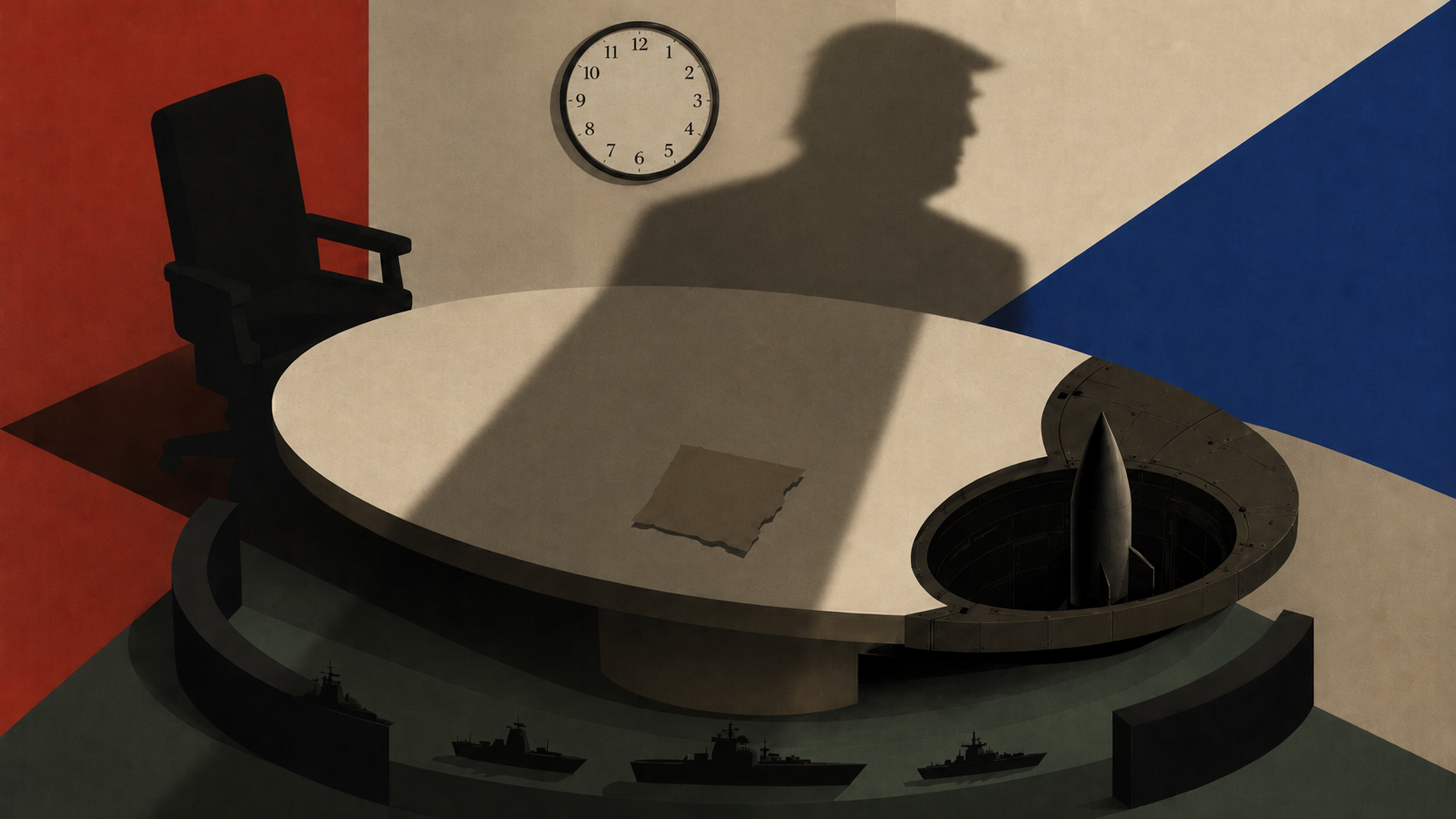
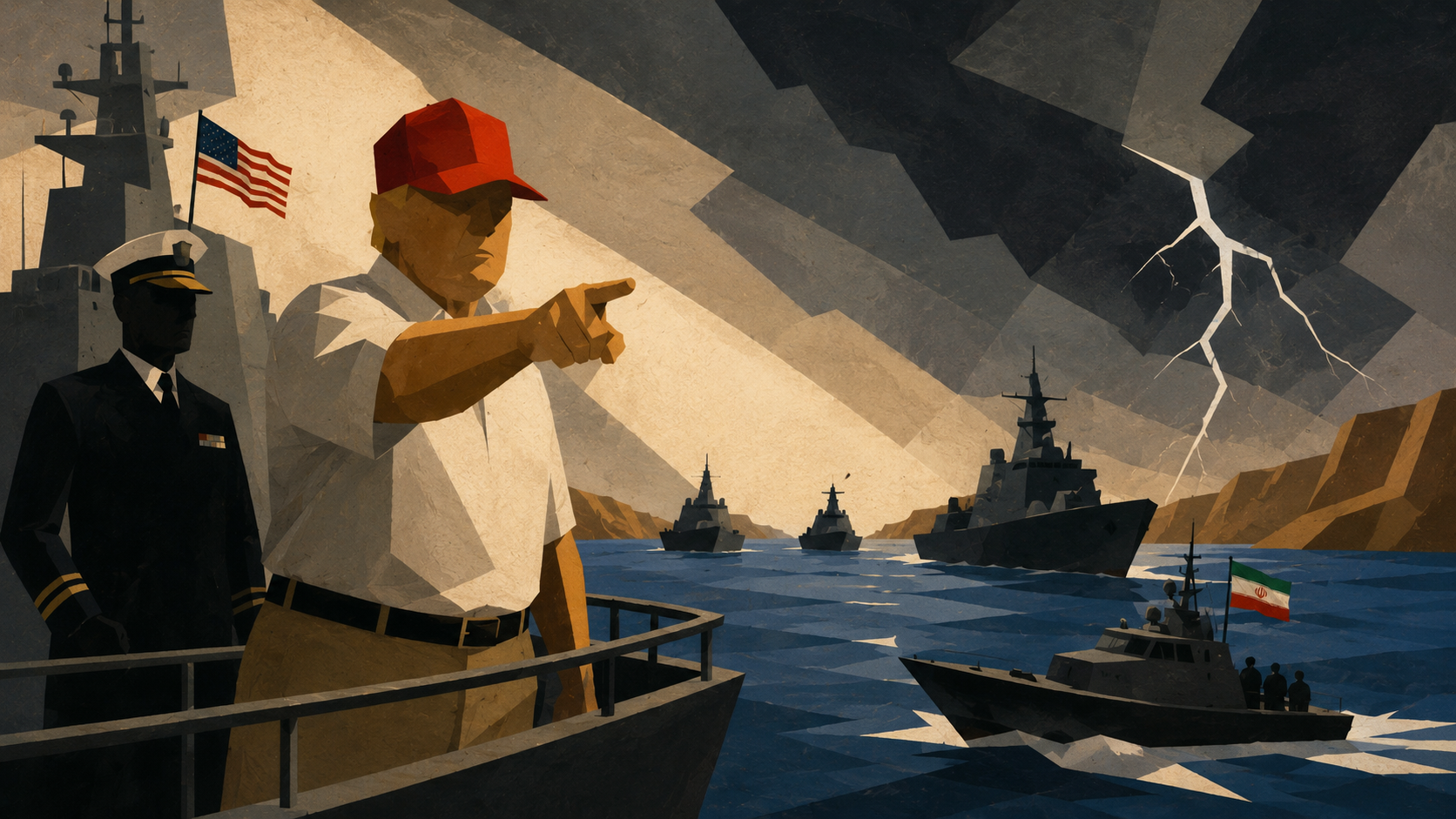
• Trump escalated his tone against Iran, saying time is running out and that Tehran must move quickly.
• Iran’s armed forces responded by warning of new and surprise scenarios if U.S. threats are carried out.
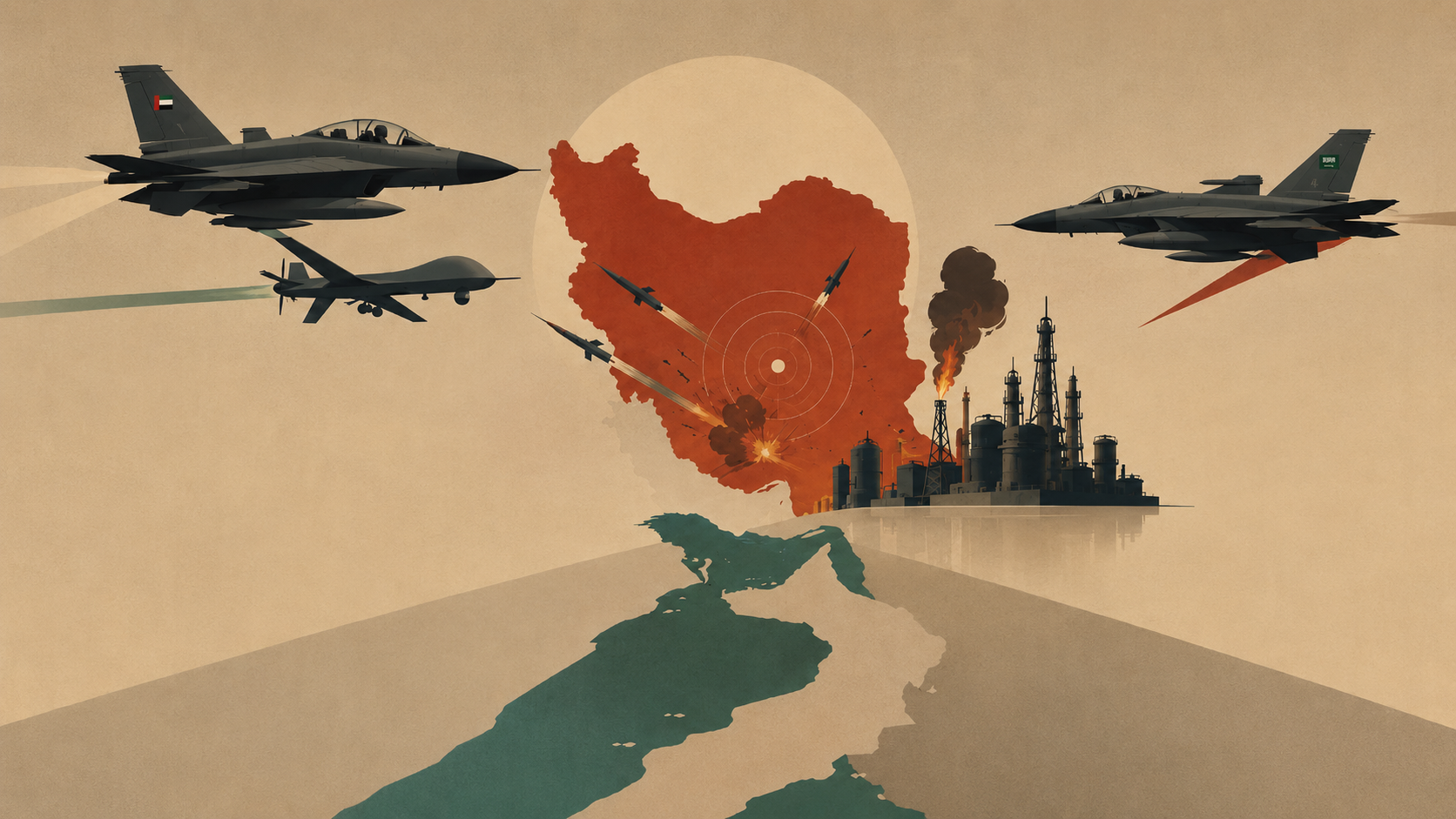
• In the Gulf, reports point to a different deterrence phase after secret UAE and Saudi strikes against Iranian targets early in the war, followed by a divergence between a more diplomacy-leaning Saudi path and a tougher Emirati position.
• At the UN Security Council, Washington is facing a new international obstacle, with China criticizing a U.S.-Bahraini draft resolution on Hormuz and effectively signaling it could block it if brought to a vote.
What next?
Pakistan’s mediation faces a harsh equation: Washington does not want to lift the blockade before an agreement, and Tehran does not want to negotiate seriously under blockade.
By ontime+ staff