News
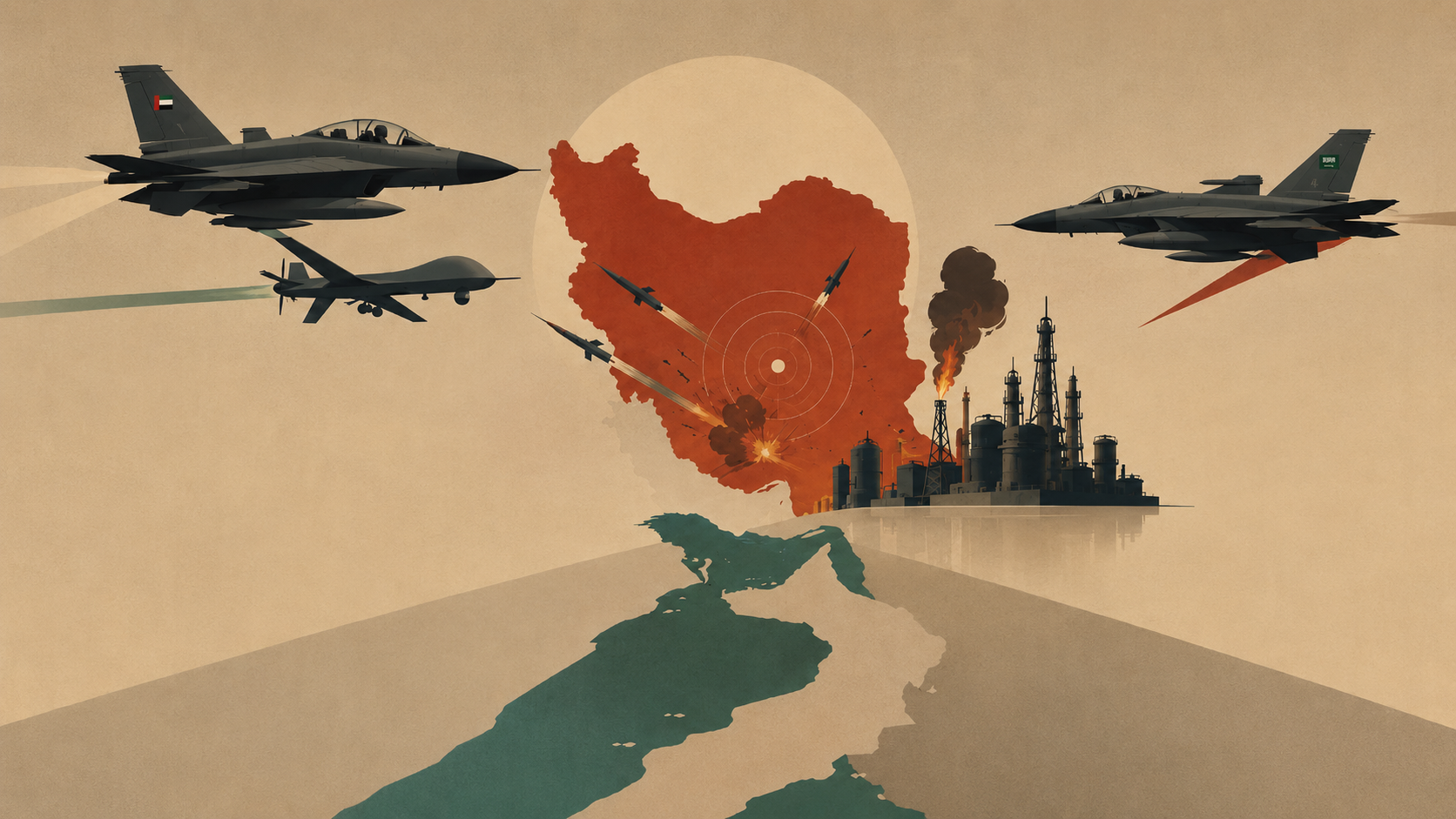
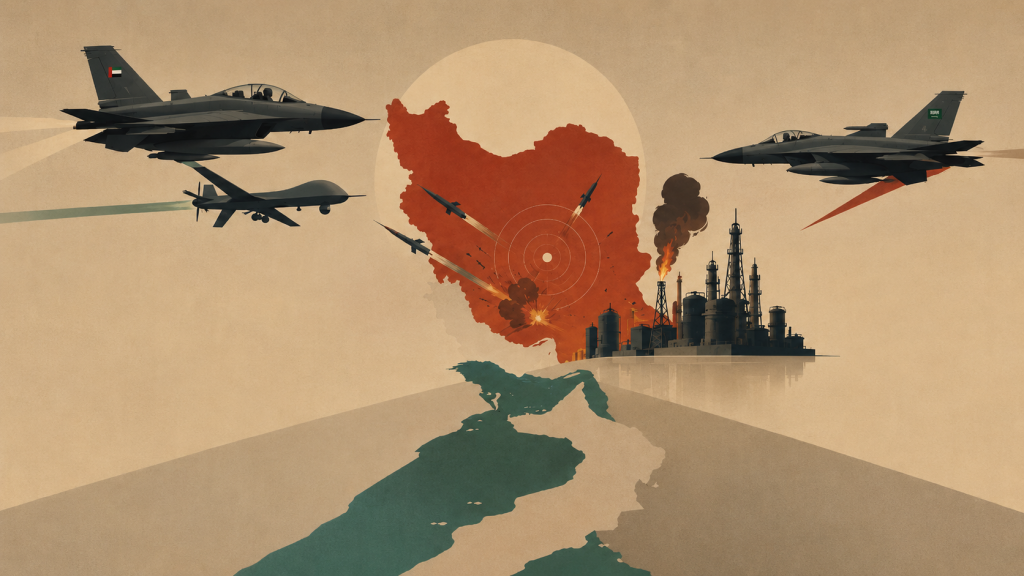
The Wall Street Journal revealed that the UAE and Saudi Arabia carried out multiple strikes against Iran in the first days of the war, in a development that overturned the cautious coexistence between Gulf states and Tehran, and showed how deeply the two Gulf capitals had become involved in the conflict after their energy facilities and civilian infrastructure were hit by Iranian attacks.
According to the paper, the strikes came at a moment seen as a defining shift in Gulf military doctrine, as Saudi and Emirati air forces moved from defensive roles based on intercepting missiles and drones to offensive operations against targets inside Iran and others linked to Tehran-backed militias in Iraq.
Details
• The paper said the UAE became involved in the operations from the first week of the war and carried out repeated strikes using fighter jets and Chinese-made drones.
• The Saudi air force carried out multiple strikes on targets including Iranian missile and drone launch sites, and also targeted sites in Iraq linked to Iranian-backed militias, according to officials cited by the paper.
• The strikes came after broad Iranian attacks on energy facilities and civilian infrastructure in Saudi Arabia and the UAE, including airports, seaports, hotels, towers, and oil and gas facilities.
• The two capitals believe Iran now holds new pressure cards, most notably control over the Strait of Hormuz and a large stockpile of missiles and drones that is draining Gulf interceptor munitions.
• The paper cited officials and experts as saying the strikes reflected a Gulf belief that U.S. protection alone was no longer enough, and that a direct response had become necessary to rebuild deterrence.
• It said the UAE adopted the tougher position, including targeting a refinery in response to Iranian strikes on Emirati national infrastructure.
• By contrast, Saudi Arabia has leaned after the strikes toward a more diplomatic path with Tehran, after restoring diplomatic relations with Iran in 2023.
• Dana Stroul, a former U.S. Defense Department official, said the war marked a defining moment in how Saudi Arabia and the UAE used their air forces, from defense to offense.
• It remains unclear whether the Saudi and Emirati strikes caused significant damage or changed Iran’s behavior in the war.
• The U.S. Defense Department and the Saudi Embassy in Washington declined to comment, according to the paper.
What next?
This shift opens a more dangerous Gulf phase: Saudi Arabia is trying to lower escalation through diplomacy, while the UAE is moving to establish direct military deterrence against Iran.