Global news delivering clear signals on what matters next

Middle East

Widening ceasefire or return to war? Washington tests a Lebanon off-ramp while negotiating with Iran under pressure from reality!

Middle East

rump Imposes a Naval Blockade on Iran After Islamabad Talks Fail!

The World

Vance’s Iran Talks in Islamabad Fail After 21 Hours!

The World

Iran’s document in the trash, Lebanon in the gray zone, and Hormuz a revolving door!

Middle East

Trump’s ceasefire: the confusing ambiguity of a “half-victory” and a “half-defeat”

The World

Trump warns of a whole civilisation vanishing as U.S. hits Kharg and Israel targets bridges!

Middle East

Hopes Fade Ahead of the Wednesday-Dawn Deadline, as the World Waits for Trump!

The World

Trump: At 12, I will send Iran back to the “Stone Age”!

Middle East

Iran mediators make a last-ditch push for a 45-day ceasefire!

Middle East

Trump extends 24 hours: Threats Against Bridges and Power Plants, Profane Insults and Religious Phrases!

The World

Update- Trump: We got him — a complex U.S. operation retrieves the pilot from deep inside Iranian territory!

Middle East, The World

Day 35: Iran Takes Heavy Bombing but Still Has the Capacity to Inflict Harm!

The World

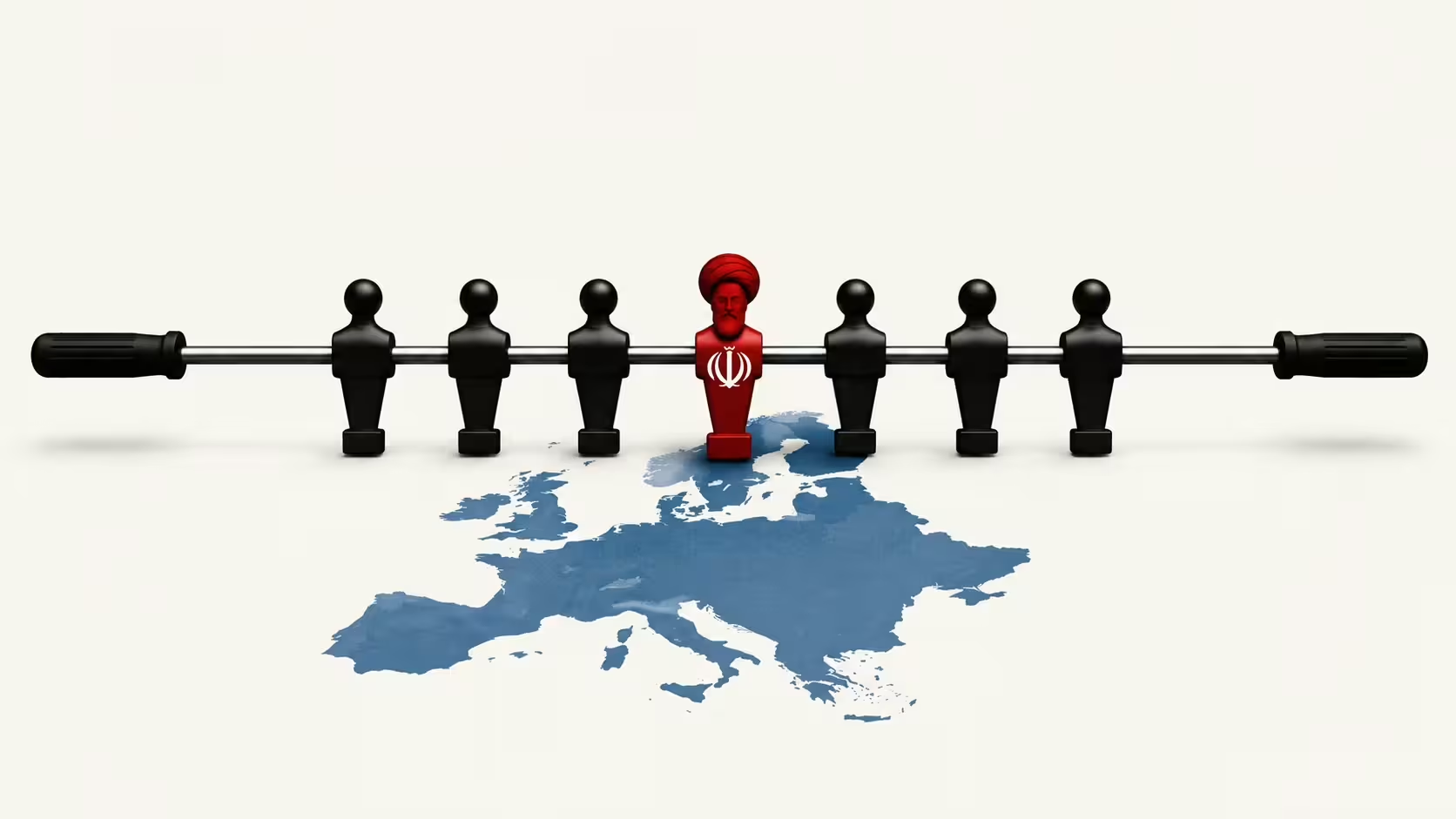
Europe Pulls Back.. Trump Escalates.. and Iran Recruits Children for a Longer War!

The World

Trump’s Address: Escalation for a Near-Endgame!

The World

Trump: Contradiction as Strategy.. Will He Carry Out the April 6 Threat or Has He Simply Stopped Caring?

Middle East

Trump: The U.S. Could Leave the Theatre Within Two to Three Weeks!

Middle East

The New York Times: Command-and-control paralysis is throwing Iran into disarray!

Middle East

Day 30: Destruction sweeps across Iran, and the missiles are struggling to escape punishment!

Middle East

Israel Races Against Time to Destroy What Remains, the Houthis Make Their Presence Felt, and Tehran’s Drones Put Oman Back on the Target List!

Middle East, Technology

America sends its drone boats to the region. What is the tactical role of these vessels?!

Middle East

Israel Kills Iran’s Naval Commander as Washington Threatens a Decisive Crushing Blow!

Middle East

Negotiators Head to Pakistan, Marines Head to the Region, and Oil Waits on Hormuz!

Middle East

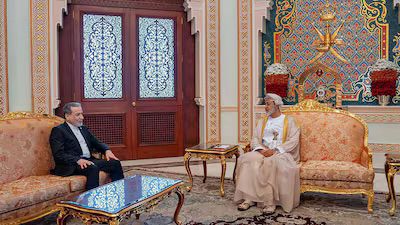
Oman and Qatar on the mediation track as Araghchi has been in Muscat since last week!

Middle East

Hormuz: Trump’s Clock Is Ticking, the Marines Are on the Way, and Tehran Is Playing With Language!

The World

How do Russian and Chinese experts view the option of occupying Kharg?!

Middle East

Marine Reinforcements: What Has Actually Arrived, and What Is the Realistic Scenario for Their Role?!

Middle East

The Wall Street Journal: The Battle for Hormuz Begins with Apaches and A-10s!

Middle East

Marines at the Gates of Hormuz: Has the “Hostage Island” Phase Begun?

Middle East

Wall Street Journal: Direct threats to Iranian commanders and their families to disown the regime!

Middle East

How Is Israel Hunting Down Regime Men Inside Their Hideouts?!

Economy, Middle East

Trump after the Kharg strike: Iran is completely defeated, and the war enters a new phase in Iraq and Lebanon as the Gulf pushes back!

Middle East

Day 13: Iran’s Fires Spread from Salalah to Umm Qasr, as Baghdad and Beirut Stand Handcuffed and the Security Council Condemns!

Middle East

After 12 days, Are Surorisess Still Possible?

Economy, Middle East

Hormuz, Radars, and Hotels: How Is Iran Redrawing Its Target Bank?!

Economy, Middle East

Iran: Inheriting the Hard Option.. and Testing Special Operations!

Middle East

Erbil Under Fire: Why Has the Kurdistan Capital Become a Score-Settling Arena?

Economy, Middle East

Iran hits water and energy as Washington and Tel Aviv strike Tehran’s oil sector!

Middle East

Contradictions in Iran’s Messaging: Pezeshkian’s Apology for Attacks on Neighbours Collides with Justifications from the IRGC and the Judiciary!

Middle East, The World

Day Seven of the War: Israel expands its Tehran strikes as Iran bets on exhausting the region!

Middle East

Russia Supplies Iran With Intelligence to Target U.S. Forces!

Middle East

Dahiyeh Under the Hammer, South Lebanon Faces Ten New Israeli Positions, and the IRGC Pulls Back

The World

Europe’s support is rising — even amid friction with Trump!

Middle East

Iran: Khamenei funeral begins tonight as succession turns into a live target!

Middle East

Iran After the Supreme Leader: How Can the War End — and What Prolongs It?

Middle East

Israel says it assassinated him. What would Khamenei’s exit mean right now?!

Middle East

Surprise Israeli strike on Iran as Trump tells Fox News U.S. forces took part!

Middle East

Trump on Iran: I’d like to avoid the military, but sometimes force is necessary!

The World

Why now? Pakistan–Afghanistan border clashes escalate into open conflict!

Middle East

Iran: “Necessary steps” — and Turkey weighs “possible measures”!

Middle East

Trump lays groundwork for Iran strikes without making Iran the headline!

Middle East

CIA Publishes Persian Message: We Hear You — Secure Contact Guidance Provided!

Middle East

Iraq Deposits Its Maritime Maps at the United Nations Amid Gulf Objections!

Middle East

What Iran Might Do if War Breaks Out!

Middle East

Axios reports that the Trump administration is closer than most Americans realise to a large-scale military confrontation with Iran.

Middle East

Trump’s Ceasefire: A 10-Day Truce Under U.S. Pressure and Lebanese-Israeli Doubts!

Technology

Starmer Summons U.S. Social Media Companies Over Child Safety Online!

The World

A War It Didn’t Start: Africa Pays the Price for the US-Iran Conflict

Art & Culture

Hollywood stars unite to oppose Paramount-Warner merger.

Technology

UK-Ukraine Firm Defeats US Rival in Military Drone Race!

Opinions, Technology

What Does AI Know About You? Surprising Personal Insights From Daily Chats!

1- AI use has become a daily habit for more than half of Americans.
2- Conversations reveal highly detailed insights into users’ preferences and behavior.
3- Extreme cases highlight the risks of emotional attachment to chatbots.
Opinions

New York Times: The UAE Is at the Heart of the New Equation as War Ends the Old Arrangements!

1- The New York Times says the UAE is no longer just a financial partner for Washington. It has become a strategic pillar in the economy, technology, and investment, something the war has made even clearer.
2- The war with Iran showed that major Gulf investments, led by the UAE, cannot be separated from regional stability and the protection of the Gulf’s economic and security infrastructure.
3- The relationship between the UAE and the United States has moved beyond the traditional model and now requires a new framework that matches its real weight.
Opinions, The World

Wall Street Journal: Why Is Tehran’s Regime, and Others Like It, So Hard to Bring Down?

1- The war showed that Iran did not surrender quickly under U.S. and Israeli pressure, but held out for more than a month before reaching a cease-fire.
2- The secret of survival is not its military strength alone, but repression, propaganda, security institutions, and the normalization of losses inside authoritarian systems.
3- Iran, Russia, and North Korea are increasingly exchanging the tools of survival, from security technology to military and political support.
Opinions, Technology

Anthropic’s Mythos: Opening the Most Dangerous Security Door Ever!

1) A new Anthropic model can detect and exploit critical vulnerabilities across major systems.
2) Tech giants are quietly racing to fix flaws instead of releasing the model publicly.
3) The AI race with China makes any pause in development unrealistic.
Opinions

Hezbollah Surprises Israel With a Strong Return in the New War!

1- The group launched dozens of attacks despite earlier claims of weakness.  
2- It relies on small combat units and local arms production.  
3- Israel responds with an expanded ground invasion in southern Lebanon.
Opinions

Thomas L. Friedman: Anthropic’s restraint is the warning!

1- Anthropic’s decision to restrict Claude Mythos Preview to a small circle of major companies suggests the model has crossed into a far more sensitive tier of cyber capability.
2- The core risk is no longer just that A.I. can write code faster, but that it can also discover severe vulnerabilities across major operating systems, browsers, and infrastructure-linked software.
3- The bigger message is geopolitical: if this class of model spreads without tight controls, cyberattack capabilities could be radically democratized, forcing the U.S. and China to treat A.I. security as a strategic stability issue, not just a tech issue. 
Opinions

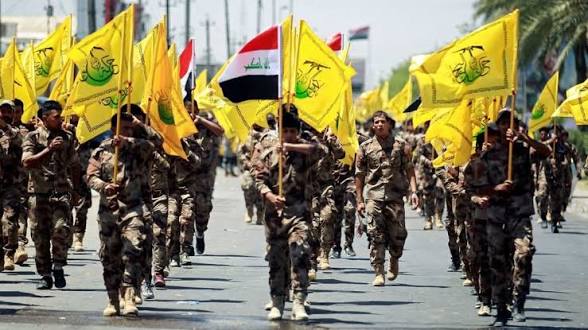
In an Article, Harith Hasan Examines the PMF’s Resemblance to the IRGC!

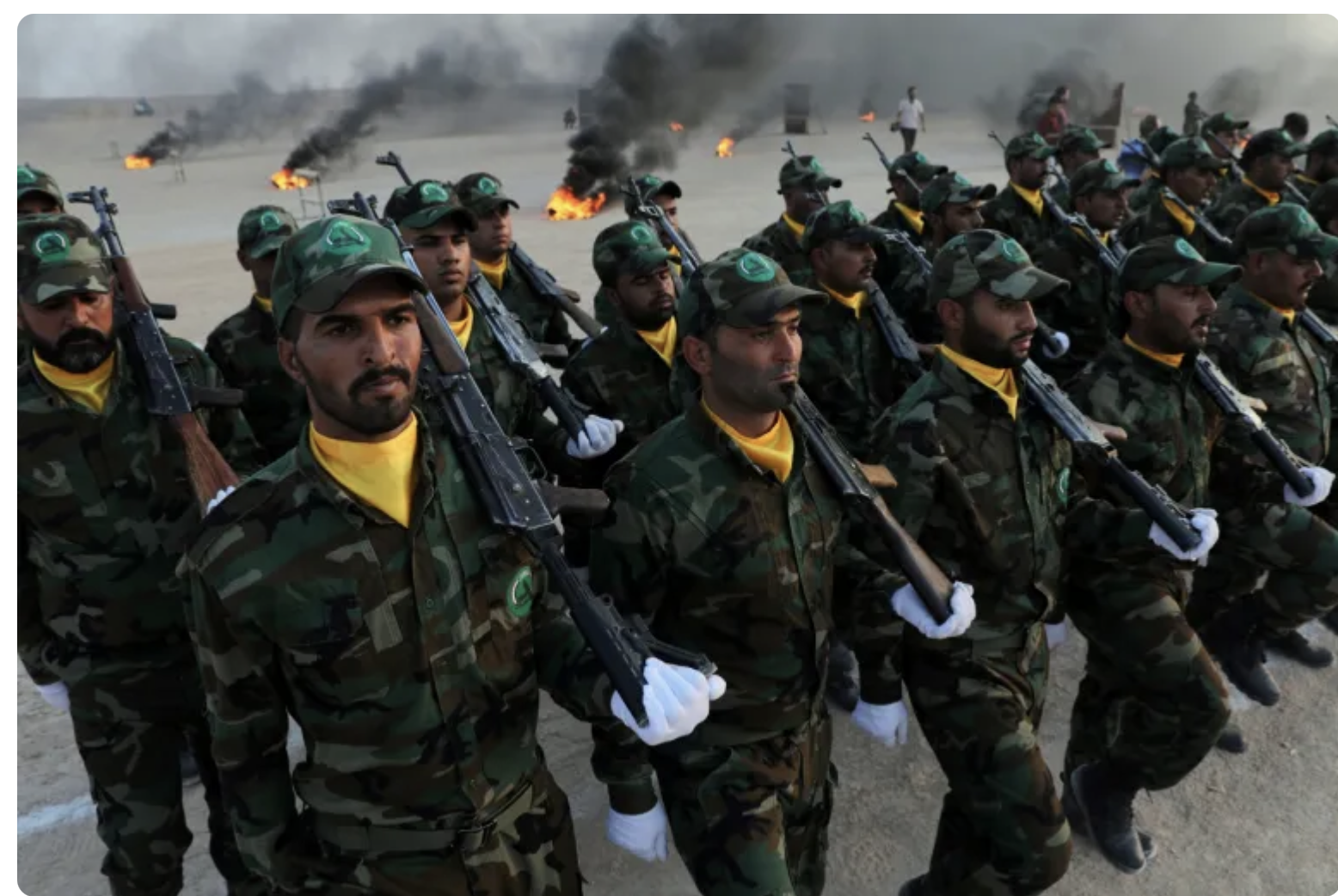
1- Dr Harith Hasan wrote an article examining what he sees as the most dangerous test facing the Popular Mobilization Forces in Iraq since their formation, as the current war has pushed the factions within them into a more explicit role within Iran’s regional strategy. He argues that the danger lies not only in battlefield developments, but also in the structural crisis governing the PMF’s relationship with the Iraqi state and with the factions operating under its umbrella. 2- The article explains that the formula which governed relations between the Iraqi government, the PMF, and the factions over recent years rested on a fragile balance. The state provided institutional cover for the PMF as part of the official security apparatus, while the factions retained broad room to operate beyond full government control. In return, those factions kept escalation with the United States within a manageable range, preventing a full-scale confrontation. According to the author, that balance is no longer sustainable after the latest war. 3- Dr Harith Hasan argues that the current conflict has weakened the line that once separated the PMF as a formal institution from the armed factions tied to Iran ideologically and politically. As the confrontation widened, it became harder for the United States and Israel to distinguish between the two, while the Iraqi government no longer appeared capable of convincing external actors that it could restrain these groups or stop them from becoming part of a broader regional strategy.
Opinions

Four Things the Gulf States Will Expect From the U.S. After the Iran War Countries that host U.S. forces want to be partners, not just platforms.  

Opinions

Yousef Al Otaiba: The U.A.E. Stands Up to Iran.

The past 3½ weeks of war have confirmed what we have known for nearly 50 years—Iran’s revolution is a threat to global security and economic stability. We can’t let Iran hold the U.S., the United Arab Emirates and the global economy hostage. A simple cease-fire isn’t enough. We need a conclusive outcome that addresses Iran’s full range of threats: nuclear capabilities, missiles, drones, terror proxies and blockades of international sea lanes.
Opinions

Will AI Boom Drive Up Electricity Bills?

1- Tech giants are moving to build private power plants and grids to meet AI demands 2- Public electricity networks are not equipped for the rapid surge in demand 3- The power market could see a major shift as private grids ease pressure on consumers
Opinions

Could Trump’s Threat Lead to a Final Exit From the Iran War?

There may still be a path toward de-escalation. Trump’s threat to destroy Iran’s power infrastructure could be the moment that forces all sides to recognize that any further escalation may push everyone to the point of no return.
Opinions

Strait of Hormuz: Will Trump resort to the hardest option?!

1- The Strait of Hormuz has become the most complex front in the war after a broad disruption to traffic through it. 2- The options range from missile strikes and mine-clearing operations to escorting tankers or even seizing Kharg Island. 3- The problem is that every option is costly and fraught with risk!
Opinions

THOMAS L. FRIEDMAN: Once and for All Means Never!

I’ve been ambivalent about this war against Iran — to say the least. While nothing would improve the Middle East more than a decent government taking power in Tehran, I seriously doubt that simply pulverizing Iran from the air can generate that change. I wish President Trump had consulted someone other than his gut before he pulled the trigger. Maybe I can best explain my position by sharing a few rules that have long guided me in covering this region.
Opinions

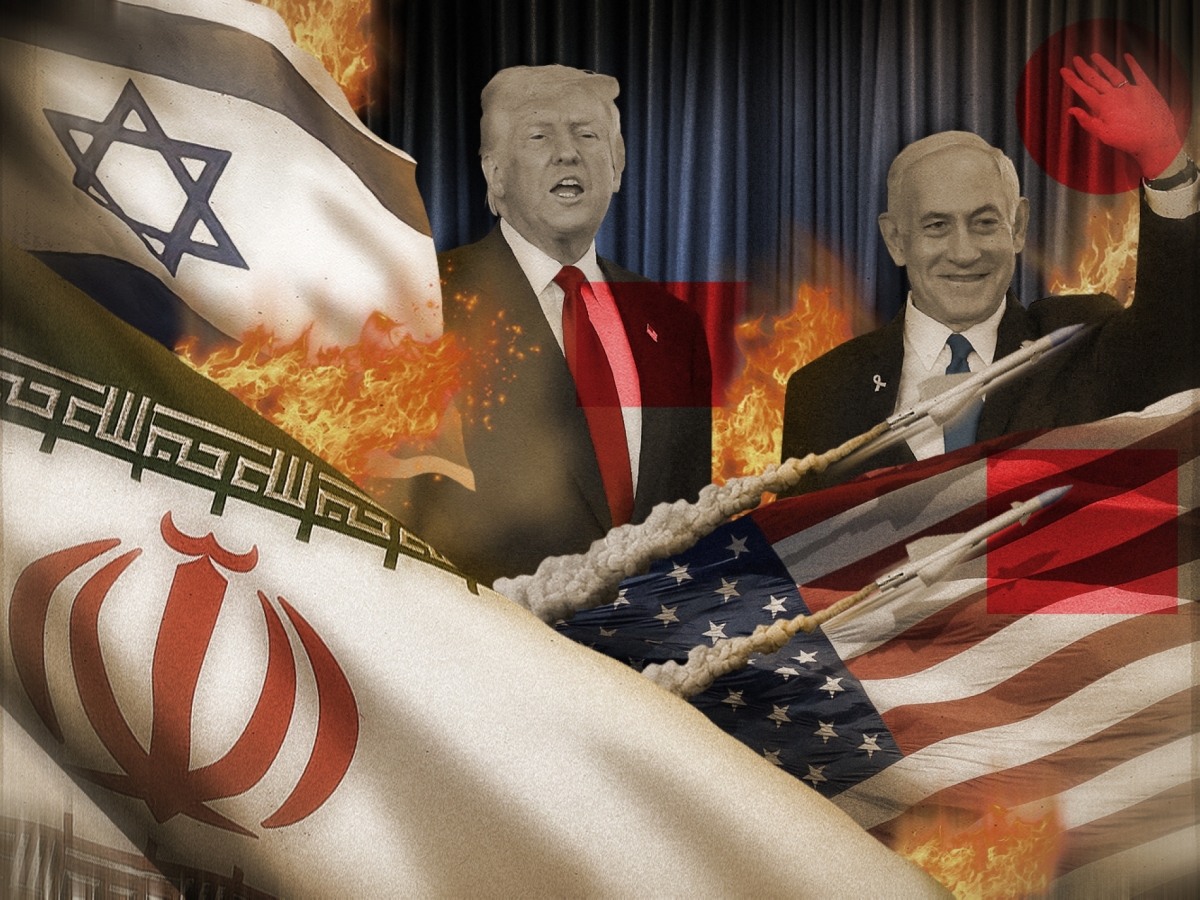
America and Israel: One Enemy, Two Strategies!

1.The United States and Israel are waging the war on Iran toward one shared objective, but through two different tracks: Israel is pressuring the regime’s internal structure, while the United States is focused on the nuclear threat. 2.Israel is publicly betting on a popular uprising, but behind closed doors it says protesters could face a massacre. 3.In parallel, Trump is weighing the most dangerous option yet: reaching Iran’s nuclear fuel hidden in mountain caves.
Opinions

Iraq… the key that will determine the future of Iranian influence in the region!

The plan has begun with the liquidation of #Qais_al-Khazali Exclusive information! A question keeps coming up today in strategic discussions about the Middle East: where is the central knot in Iran’s network of influence across the region?
Opinions

When the Iran war ends, the mullahs will be broke!

Even if the regime retains power, the country’s economic nightmare will persist. How did we get to war in Iran? There are a few answers. You could point to the Oct. 7, 2023, massacre in Israel by Hamas, the Islamic Republic’s long-running terrorist proxy. There’s also the 1979 hostage crisis, when Iranian students stormed the U.S. Embassy in Tehran and held Americans captive for 444 days. Or there’s the U.S.-aided coup that removed Prime Minister Mohammed Mossadegh in 1953, and Washington’s support for the shah.
Opinions

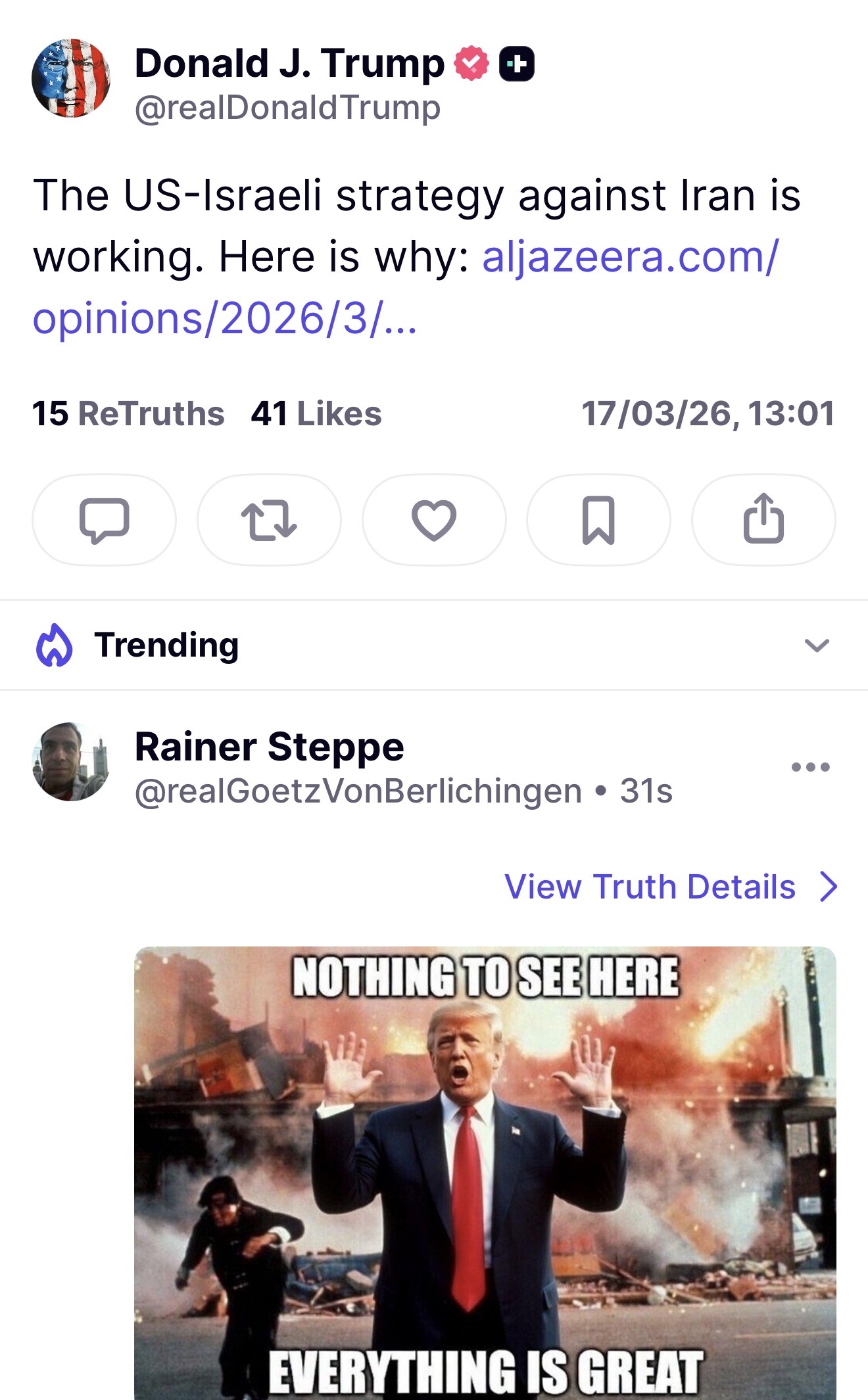
Trump Amplifies Iraqi Researcher’s Argument and Casts the War on Iran as a Success!

1.US President Donald Trump reposted an opinion article by Iraqi researcher Muhanad Seloom, clearly endorsing a narrative that the US-Israeli strategy against Iran is working and achieving its aims. 2.The significance of the move lies in Trump’s use of the article to reinforce a political narrative that the war is not a costly blunder, but an organised campaign to dismantle the instruments of Iranian power. 3.The article offers an analytical defence of the war by focusing on the decline in missile and drone launches, the degradation of air defences, and the targeting of Iran’s military and industrial infrastructure.
Opinions

Iran: The exposure of the state and the rule of the militia!

1.After Ali Khamenei was killed, Iran did not appear as an institutional state entering a constitutional succession under fire, but as a ruling authority that moved quickly to reassert loyalty within the ideological circle in power. 2.The war revealed that the real center of decision-making is neither the regular army nor any clearly functioning bureaucratic state apparatus. 3.The heavier the bombing on Tehran and other cities became, the less the regime resembled a state managing a crisis, and the more it resembled a force holding an entire country hostage.
Opinions

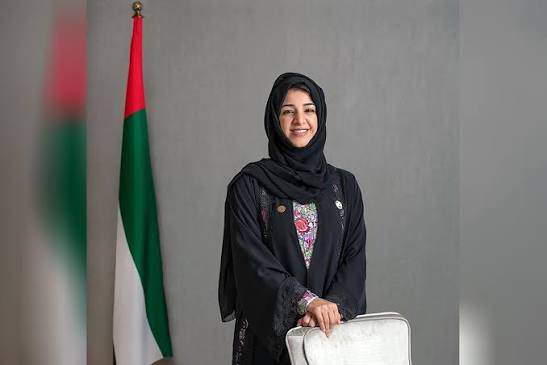
Reem Al Hashimy: The eloquence of calm in a difficult time!

1.The way she appeared during the current war was calm, direct, and free of overheated language. Reem Al Hashimy, who has served as Minister of State for International Cooperation since 2016, stood out after a long official career that included leading the Expo 2020 Dubai file. 2.At a highly emotional national moment, Al Hashimy emerged as one of the clearest Emirati voices in explaining her country’s position: the UAE does not want to widen the war, but it retains the right to defend its sovereignty, and the safety of people inside the country remains the first priority. 3.What draws attention is the calm, confident tone, in language that resembles what the UAE wants to say about itself in this war: a state under daily attack, yet one that does not speak nervously and does not act impulsively.
Opinions

The New Leader’s Speech: A Message of “Filling the Void”

Opinions

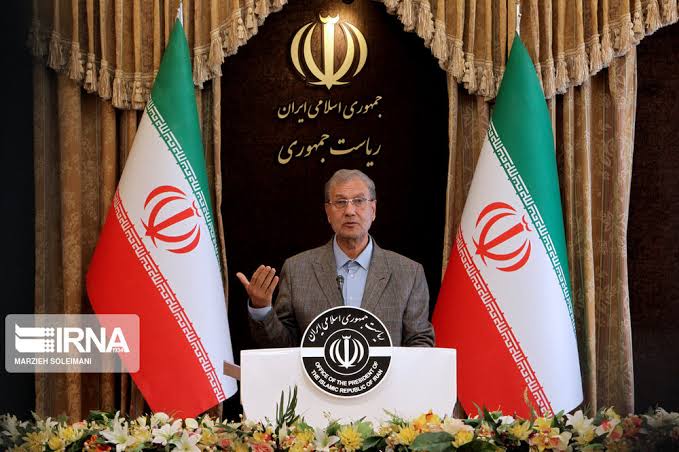
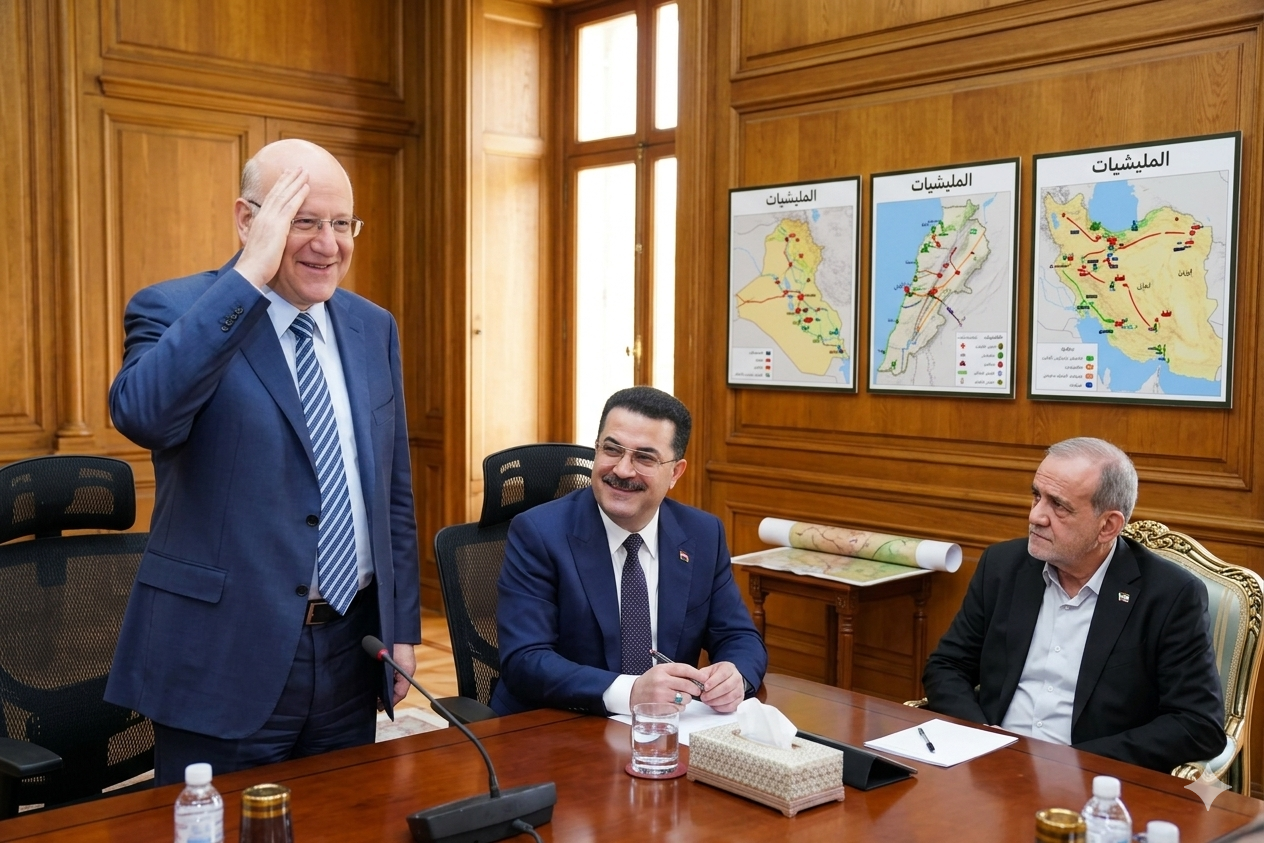
Pezeshkian, Al-Sudani, and Before Them Mikati… Sovereign Offices Larger Than Their Holders!

Opinions

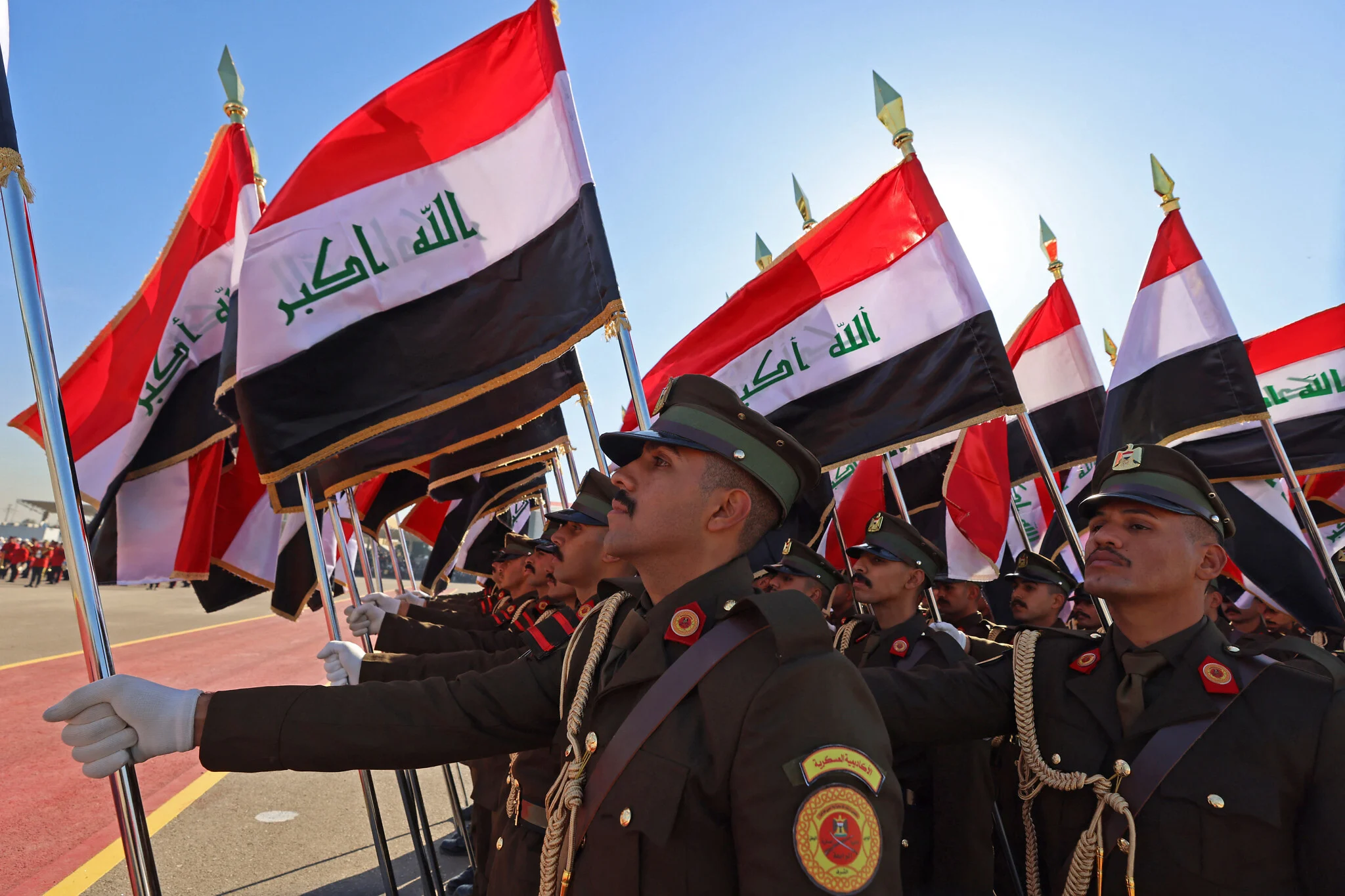
Iraq Bombs Iraq! A Country Losing Its Compass!

1.In the current war on Iran, Iraq is no longer just a rear arena as it has been since 2003. It has become a scene of internal bombardment carried out by Iraqi armed factions tied to the Iranian axis, while the Iraqi state pays the price in sovereignty, security and the economy. 2.These factions, despite their political presence in parliament and within the ruling order, have in recent days continued to target American diplomatic sites, the UAE consulate, the surroundings of Erbil, and oil sites in Kurdistan, making the attacks look like strikes on Iraq itself before anyone else. 3.The most dangerous part of the picture is that Iraq appears in this war as a state thoroughly penetrated from within: forces acting in the name of resistance, yet striking state airports, disrupting oil investment, and pushing Baghdad into an escalation it cannot bear.
Opinions

The Washington Post: Russia is benefiting from the war — and helping fuel it!

U.S. Senator Jeanne Shaheen argues that Russia is not a distant observer in the war with Iran, but a party that benefits from it and fuels it indirectly. Her core argument is that Vladimir Putin is not only maintaining a military partnership with Tehran, but is also counting on this war to drain Washington’s attention and resources away from Ukraine.
Opinions

New York Times: WHAT WILL IRAN’S FUTURE HOLD?

The fact is that there is no successor who will be able to fill the power vacuum left by Ayatollah Khamenei. That might persuade elements in the Islamic Revolutionary Guards Corps to support a less repressive caretaker regime. The power broker role of the military and security forces is recognized by the most prominent personality in the Iranian diaspora opposition, former Crown Prince Reza Pahlavi, who has called on them to break with the regime. 
Opinions

What If the War Stopped Now? The Victory of Survival and the Bitterness of Silent Retreat!

1.If the war stopped now, it would not mean a return to stability. It would mean Iran entering a phase that looks quieter on the surface but is more tense at home and across the region. 2.The regime would try to frame survival in power as a victory, then use that narrative to tighten its security grip and suffocate any remaining internal hope for change. 3.The problem is that survival does not solve the core crisis. It postpones it and turns it into deeper economic, social, and political pressure that may later erupt in a harsher form!
Opinions

Pezeshkian’s Apology: From Political Appeasement to International Responsibility — What Did Iran Do to the Gulf, and What Follows From It?

What matters here is not that the Iranian president offered a cordial apology at a moment resembling an unfinished defeat. What matters is what happened before the apology, and how it should be understood politically, legally, and morally.
Opinions

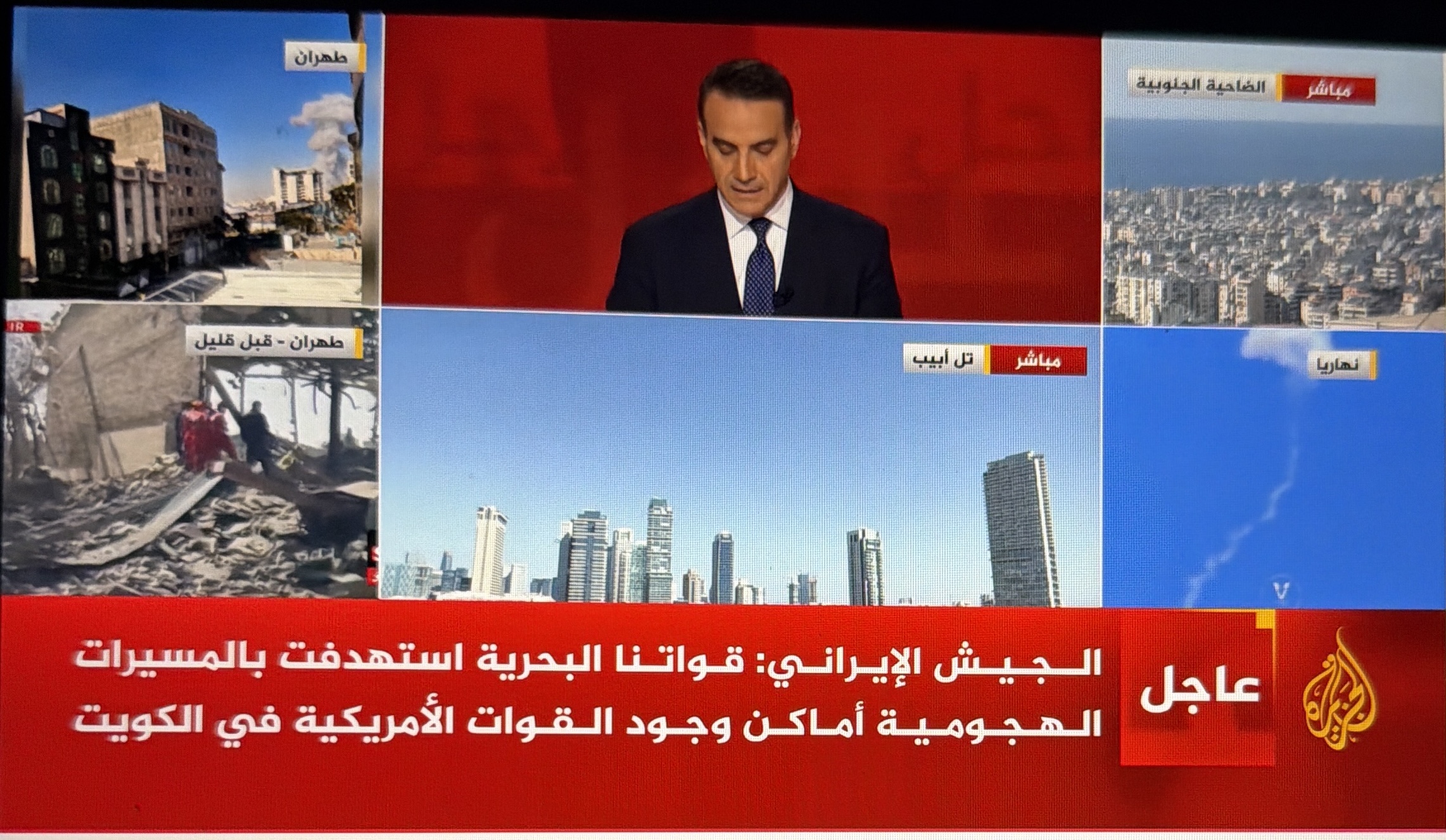
Despite Iran’s aggression against Qatar, Al Jazeera speaks with the IRGC’s voice!

1.Al Jazeera ran an urgent ticker relaying an Iranian military claim that Iranian naval forces targeted locations of U.S. forces in Kuwait using attack drones. 2.The issue is not carrying a statement, but how it is written: the wording treats a belligerent’s claim as near-settled fact, without clear on-screen caution about verification. 3.This example reflects a wider pattern in Al Jazeera’s coverage: “neutrality” is asserted as a brand posture, yet undermined in practice by framing, language, and the recurring profile of guests and analysts.
Opinions

Gulf states tried diplomacy… then took missiles: why the rules of the game changed?

At one of the most tense moments the region has faced, Steve Witkoff relayed a startling account from the negotiating track: he said Iranian negotiators spoke without embarrassment about possessing roughly 460 kilograms of uranium enriched to 60%, and that they understood this quantity could translate into enough material for 11 nuclear bombs—presenting it as the starting point of their negotiating position.
Opinions

The war widens!

Opinions

Trump Buries the 20th Century!

POLITICO’s Alexander Burns argues that President Donald Trump’s legacy has become clearer than ever in the wake of the strike on Iran’s regime and the death of Supreme Leader Ali Khamenei. In Burns’ telling, Trump is “burying the 20th century” — its villains, alliances, political norms and ceasefires — while unleashing a future defined by uncertainty and disruption, with no new equilibrium in sight.
Opinions, Technology

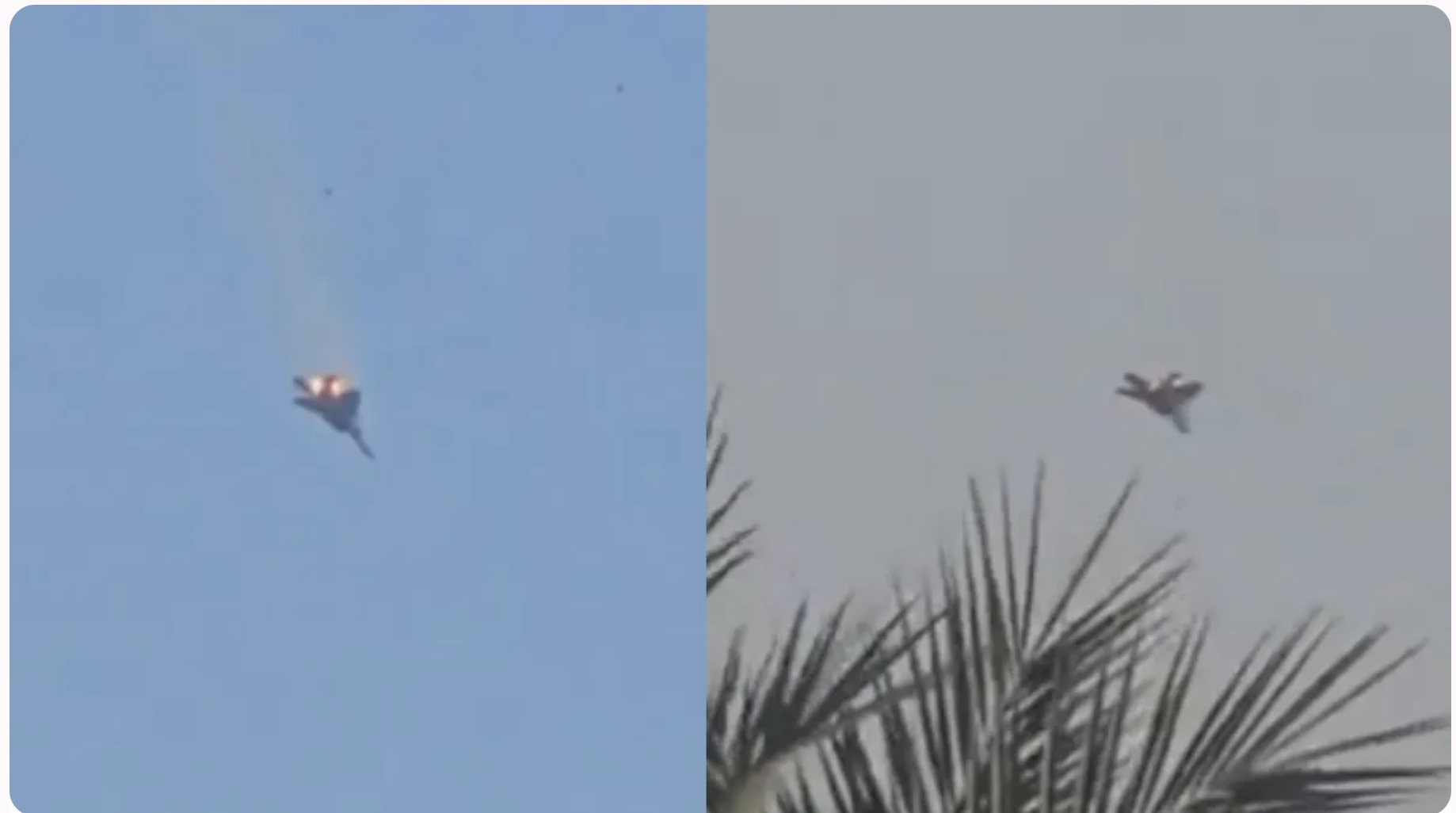
Expert tells ontime+: Three hypotheses for multiple U.S. fighter crashes in Kuwait in one day! 

An expert told +ontime: Three hypotheses for more than one fighter jet crash in Kuwait in a single day. An aviation expert told +ontime that three hypotheses can explain the crash of more than one U.S. fighter jet in a single day inside Kuwait. He said the least likely explanation is an isolated technical fault affecting each aircraft separately, while the more plausible explanation is a shared factor linked to the operating environment, the technical support chain, or broad navigation disruption in an airspace crowded with intercepts and alerts.
Opinions

Arab Pro-Iran Loyalists: Their National Loyalty Faces a Fundamental Question — Do They Have Full National Rights?!

1.In Lebanon, Iraq, Yemen, and Bahrain, popular, political, and armed actors have presented themselves as part of a regional project that transcends the state, creating a dual loyalty between country and an external reference point. 2.The question is no longer purely moral. It has become a sovereignty-and-law question: Who owns the decision of war and peace, and who pays the cost of sanctions, destruction, and social fracture? 3.The phenomenon cannot be reduced to blanket accusations of treason — but it also cannot be understood without naming its core: turning the state into an arena, the citizen into fuel for wars, and the national economy into a hostage.
Opinions

Khamenei’s Death Puts Iran at a Historic Turning Point With No Clear Successor!

1.The Wall Street Journal said Supreme Leader Ayatollah Ali Khamenei’s death forces Iran into a difficult transition while it faces a major U.S.-Israel military campaign and domestic strain. 2.Under Iran’s constitution, a three-person interim council temporarily assumes the supreme leader’s duties until the Assembly of Experts selects a successor. 3.The Journal argued the next supreme leader is likely to wield less personal authority than Khamenei, as the Islamic Revolutionary Guard Corps and other power centers hold outsized influence.
Opinions

Why is Washington keeping the door open to a new Iranian leadership while Netanyahu pushes for a final blow to the regime?!

1.Fox News, citing a senior White House official, reported that the Trump administration has received outreach from a potential new Iranian leadership seeking talks, and that Trump is prepared to engage soon while military operations continue. 2.The Associated Press reported that Trump signaled willingness to negotiate with Iran’s new interim leadership, even as strikes continue. 3.In Israel, “existential threat” rhetoric and the stated objective of ending the regime are widening: Netanyahu pointed to indications about Khamenei’s fate and vowed to strike thousands of targets; Smotrich and the IDF chief spoke of removing an existential threat and toppling the regime; Lapid called for destroying Iran’s nuclear and ballistic capabilities and bringing down the regime.
Opinions

The CIA pinpointed a rare meeting of Iran’s top leadership. Israel struck at dawn.

1.U.S. and Israeli intelligence detected a rare gathering of Iran’s top decision-makers and accelerated strike timing to exploit that window, according to Reuters and the Wall Street Journal.   2.Israeli coverage framed the timing choice — dawn, not night — as a bid for tactical surprise and to reduce Iran’s ability to organize ballistic-missile barrages in the opening hours.   3.Iran’s retaliation broadened into a regional air-defense problem (Israel + Gulf states hosting U.S. assets), alongside airspace disruption and rising shipping risk signals.  
Opinions

Why did Iran strike Arab states while sparing its Asian neighbors?

1.Reuters: Iran fired missiles at Kuwait, Qatar, the UAE, and Bahrain after U.S.-Israeli strikes; Gulf states said most were intercepted, and the UAE reported one death in Abu Dhabi. 2.The targeted states host declared U.S. military footprints; Reuters reported missiles were launched despite the presence of U.S. forces and facilities. 3.As of publication, Iran has not launched a comparable wave at non-Arab neighbors to its east and north, raising questions about signaling, escalation management, and target selection.
Opinions

How Tehran Looked Today: Chaos and Panic as Airstrikes Shook the Capital؟!

1.U.S. and Israeli strikes hit as Tehran’s workweek began, sending residents into the streets and parents rushing back to schools to collect children. 2.Witnesses described fighter jets overhead, repeated blasts across dense neighborhoods, and gridlocked roads with some drivers abandoning cars. 3.As reports of explosions elsewhere in Iran spread, communications began to falter, complicating efforts to reach family members while people fled.
Middle East, Opinions

Why strike at dawn, not at night? Israel says timing was aimed at curbing Iran’s ballistic barrages!

Israel and the United States struck targets in Tehran and western Iran in an opening wave that Israeli officials said was timed for dawn to exploit a narrow operational window and preserve tactical surprise.   The Jerusalem Post reported the timing was linked to an operational goal: reducing Iran’s ability to launch ballistic missiles toward Israel as retaliation began.   The same coverage framed the campaign as multi-wave, with further strikes expected if missile launches continue.  
Middle East, Opinions

Tom Barrack’s Two Visits: What exactly does Washington want from Iraq?!

ontime+ Political Council (internal) says Barrack told them: “incoming sanctions will be unforgiving—form a government away from Iranian influence.” This is ontime+ attribution and not independently confirmed in open sources at the time of writing.
Opinions

Iranian Reserchey: A Storm Begins on the Eastern Border!

With the launch of broad air strikes carried out by Pakistan against Taliban sites in Kabul, Kandahar, and Paktia today—8 Esfand 1404 (27 February 2026)—and with officials in Islamabad using the phrase “total war,” the region appears to be on the brink of a major security shift. If this conflict continues, the following consequences for the Islamic Republic of Iran can be expected:
Opinions

Mehran Solti: Iran’s Universities: A Historic Test for the Left!

At last, the wave of hostility toward the left — so pervasive in recent years — has reached its traditional stronghold. Over the past days, Iranian universities have witnessed the emergence of a monarchist current. In response, republican students in some gatherings have tried to chant slogans of democracy and equality, but the confrontation remains uneven. The left now faces a historic test: to prove its worth on its own home ground — the university. Why, then, are we seeing this tendency recede among today’s students?
Opinions

A New World Order: Where the Middle East Sits on the Map

At Munich, leaders did not merely lament turbulence. They diagnosed a rupture. The post-1945 order, they argued, is no longer a stable frame but a weakening scaffold. Germany’s chancellor, Friedrich Merz, described a world in which the old order no longer exists and great-power politics has returned, with freedom no longer guaranteed.