The latest
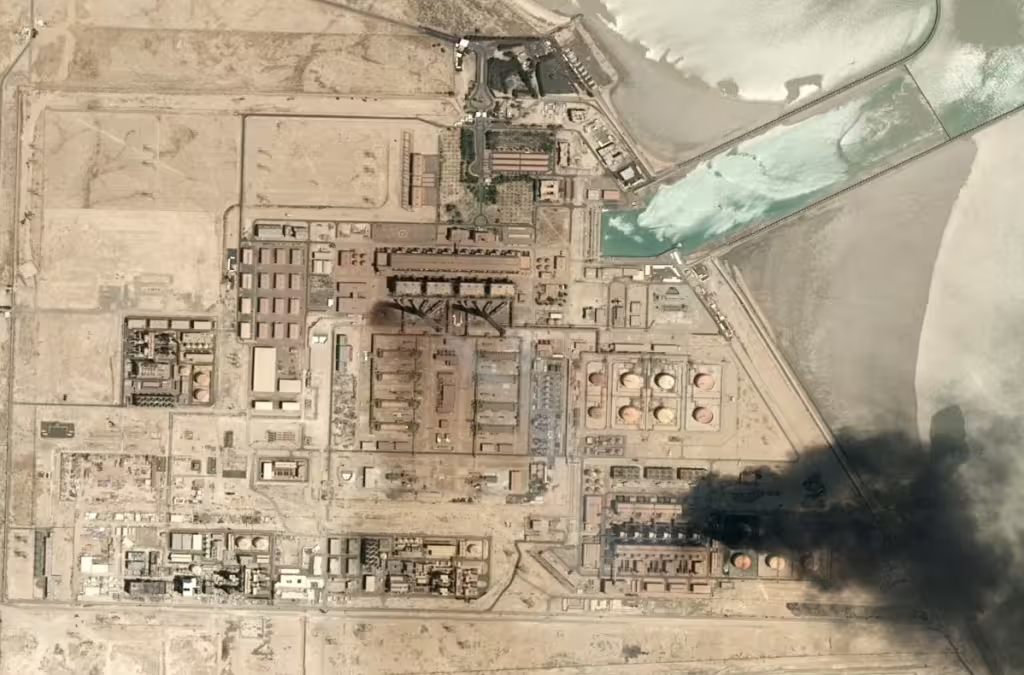
The latest wave of strikes has placed desalination plants at the center of one of the Gulf’s most dangerous civilian vulnerabilities. Kuwait has accused Iran of attacking water and energy facilities and starting fires that forced several sites to suspend operations.
The threat extends across a region where tens of millions of people depend on hundreds of complex coastal facilities for drinking water. Repairs can require specialist expertise, replacement parts and significant time. Any simultaneous disruption to the electricity that powers the plants could further compound shortages.
Iran has accused U.S. strikes of disabling water infrastructure on an island where 30 villages were affected, although Washington and Israel denied responsibility. Bahrain and Iran have also previously reported attacks on desalination facilities, raising fears that water infrastructure could become an instrument of retaliation.
Details
- Kuwait: Desalination plants provide about 90% of the country’s drinking water.
- Oman: The technology supplies roughly 86% of its drinking water needs.
- Saudi Arabia: Desalination produces about 70% of the kingdom’s drinking water.
- Complex technology: Plants either evaporate and condense seawater or push it through fine membranes to remove salt.
- Legal protection: Infrastructure essential to civilian survival is generally not considered a legitimate military target. Depending on the circumstances, deliberately attacking it could constitute a war crime.
- UN warning: The United Nations has called for hospitals, water supplies and other vital civilian facilities to be spared.
Between the lines
The Gulf’s heavy dependence on desalination means damage to a limited number of plants could have consequences far beyond the immediate military impact. Water supplies are tied to electricity, ports and international supply chains, creating the risk that simultaneous disruptions could rapidly develop into a humanitarian crisis.
What to watch
The immediate question is how long Kuwait’s affected plants remain offline, how much reserve capacity is available and whether other facilities can compensate. Attention will also focus on whether the parties heed international appeals to protect water infrastructure—or allow retaliatory attacks to place more desalination plants in the line of fire.
Source