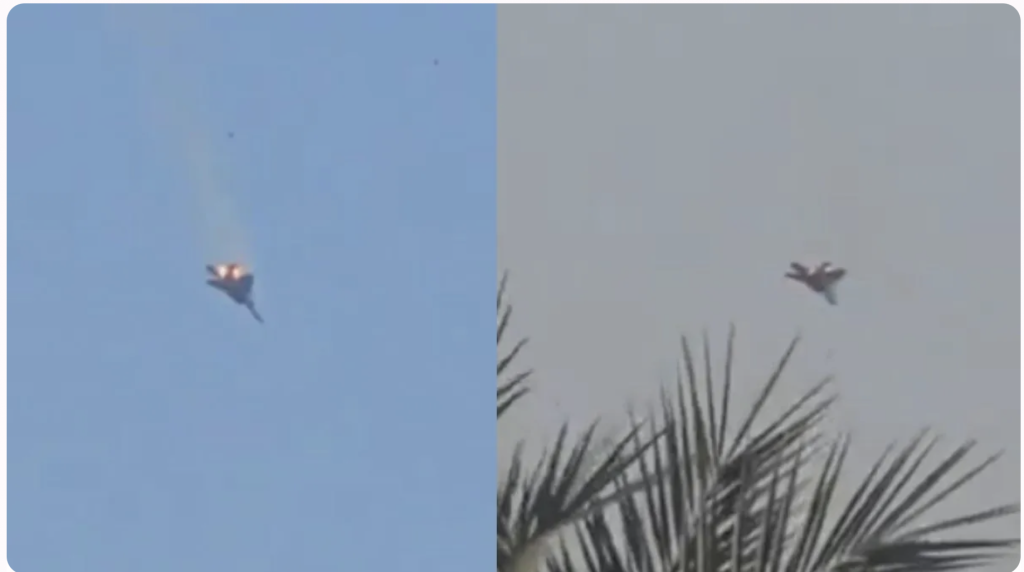
He identified the first hypothesis as the region’s congested sky, where air-defense interceptions increase the risk of accidents. Operational experience, he said, shows that days of intense interception activity change the practical rules of flight safety even without a direct shootdown. Congested routes, dense radar emissions, active air-defense systems, and falling interceptor debris all raise accident risk—especially during takeoff, final approach, and landing.
The second hypothesis relates to navigation disruption caused by jamming or spoofing of positioning signals. In conflict environments, he said, degraded positioning does not necessarily mean a cyber shootdown, but it increases pilot workload and the probability of error in a crowded airspace. Jamming of positioning signals or degraded navigational accuracy can become a compounding factor when combined with high sortie tempo, defensive maneuvering, and tightened security procedures around bases.
Finally, he said the third hypothesis is more likely to be the result of a shared base-level factor such as fuel, maintenance, or an operating procedure. If the aircraft are of the same type or rely on the same support chain, a common factor becomes a logical explanation: off-spec fuel, possible contamination in the fuel supply chain, a recurring maintenance fault, or an incorrect operating procedure repeated across multiple crews or shifts.
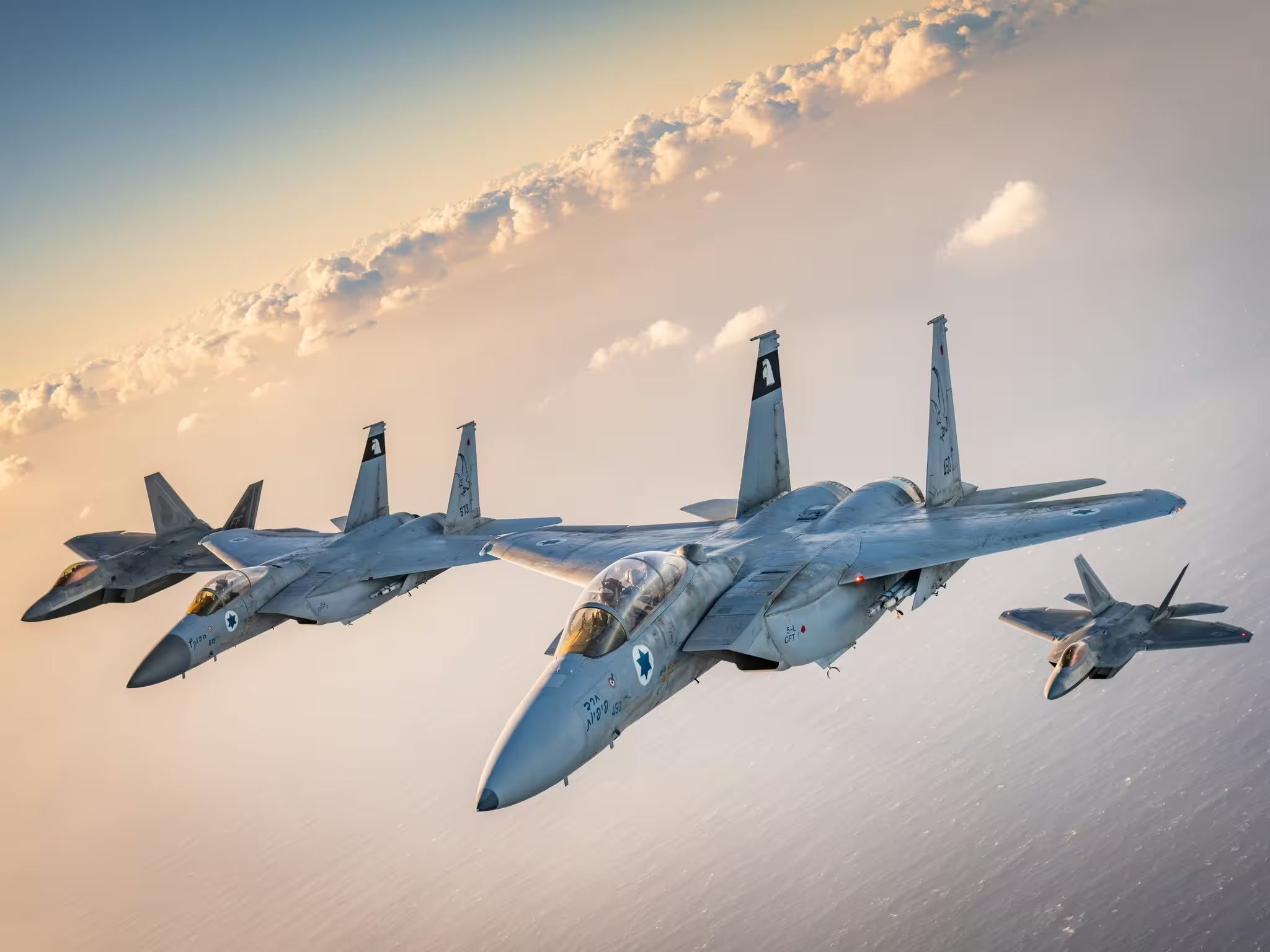
Why is the question being asked: why didn’t the same thing happen to Israeli aircraft?
The expert dismissed the claim—circulated by Iranian media—that what happened was a deliberate attack, arguing that the operating area is far from Iran’s air defenses, which are ineffective to begin with.
Source: An expert who spoke to +ontime+, based on an operational method for reading air activity in congested air-defense environments and on precedents from technical investigations into military aviation accidents.