The latest
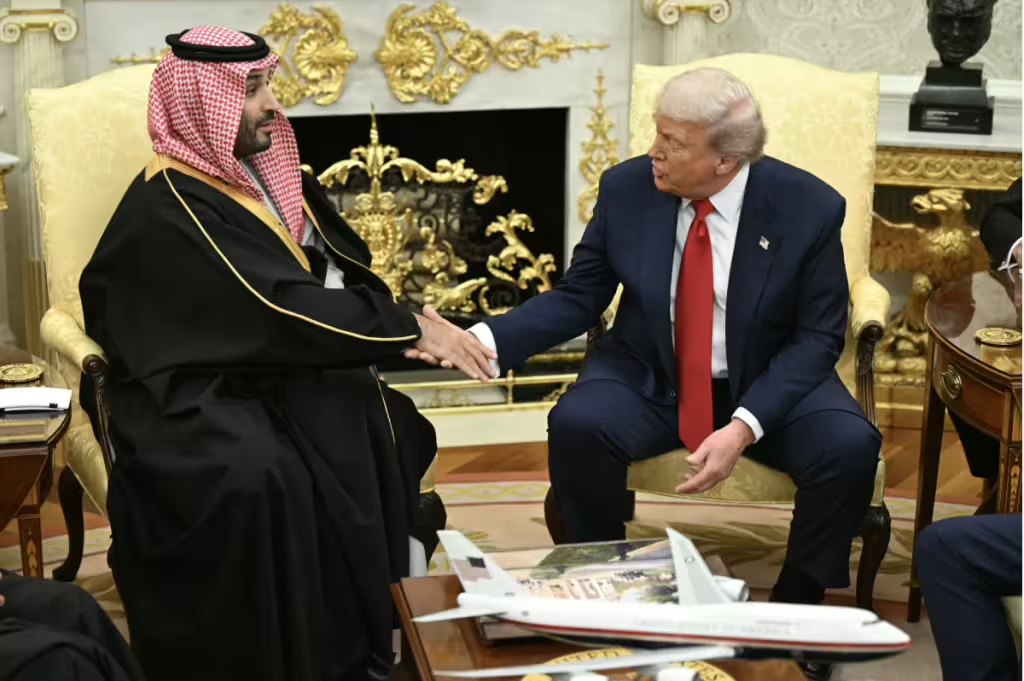
The Trump administration is preparing to sign a broad civilian nuclear cooperation framework with Saudi Arabia, seeking to stabilize relations during the war with Iran. The accord is expected to generate billions of dollars for the U.S. nuclear industry, beginning with reactor designer Westinghouse.
The agreement does not immediately grant Riyadh the right to enrich uranium. It allows the two countries to study the economics of producing nuclear fuel inside the kingdom, potentially leading to domestic enrichment or plutonium reprocessing. Its terms may also limit inspectors’ access to sites suspected of providing a pathway for diverting nuclear material to military use.
Trump separated nuclear cooperation from the previous demand that Saudi Arabia normalize relations with Israel, after the Biden administration treated both as elements of a broader package. The deal also follows tensions between Washington and Riyadh over the Iran war and the kingdom’s reliance on U.S. interceptor missiles to defend its territory.
Details
- Legal framework: The accord falls under Section 123 of the U.S. Atomic Energy Act, which governs nuclear cooperation and establishes nonproliferation obligations.
- Congressional review: Lawmakers can pass a resolution rejecting the agreement, but overturning Trump’s initiative would effectively require a veto-proof majority.
- Secret letters: The deal includes two undisclosed side letters that members of Congress may demand to see before voting.
- Fuel option: A joint study could lead to Saudi uranium enrichment or plutonium reprocessing on the kingdom’s territory.
- Crown prince’s position: Mohammed bin Salman has previously said Saudi Arabia would acquire a nuclear weapon if Iran developed one.
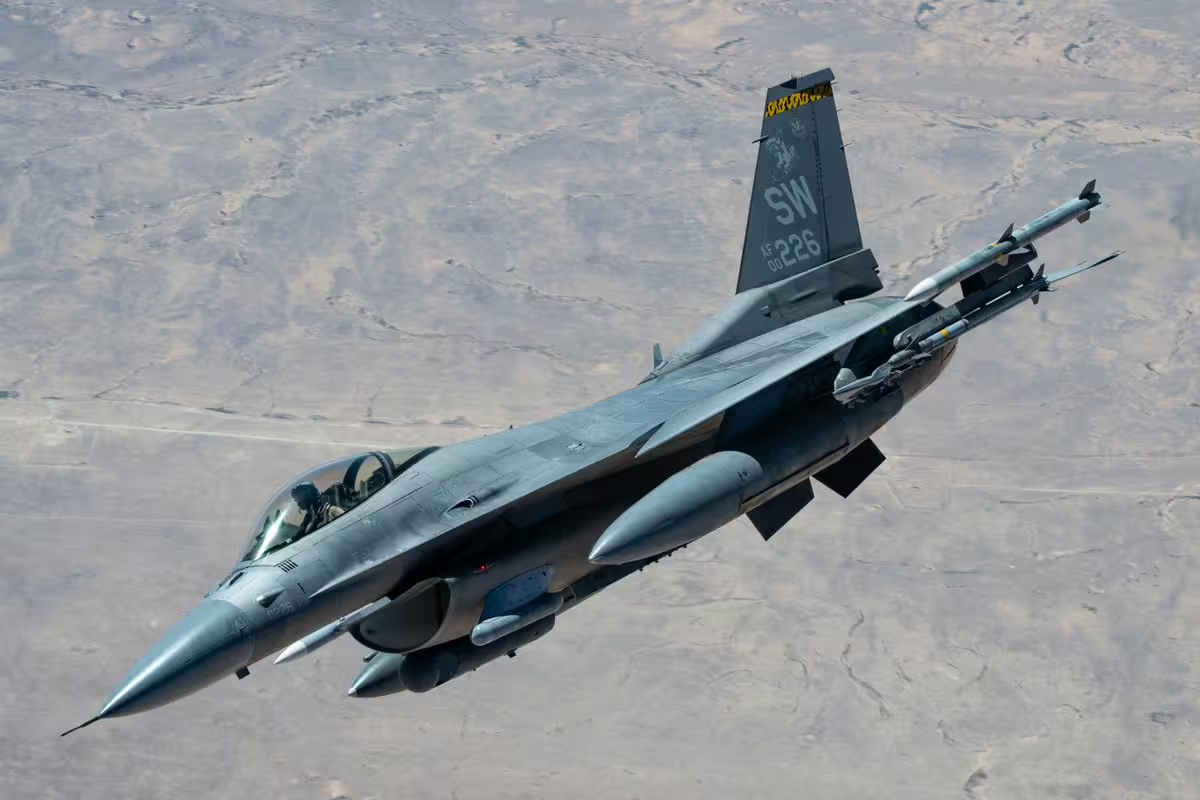
- Wider package: Nuclear cooperation accompanies a defense understanding that includes F-35 sales but falls short of a mutual-defense treaty.
Between the lines
The agreement represents a retreat from the model Washington applied to the UAE, which renounced domestic fuel production and accepted more intrusive inspections. Giving Riyadh broader terms could encourage other countries to reject traditional restrictions and reshape the rules of civilian nuclear competition in the Middle East.
What to watch
The coming dispute in Congress will center on inspections, the secret side letters and the limits of Saudi Arabia’s right to produce nuclear fuel. The positions of the International Atomic Energy Agency and Israel will also shape whether the agreement remains a civilian energy project or becomes a new source of regional nuclear concern.