The latest
Prospects for de-escalation faded after Iran’s leadership rejected a U.S. ceasefire proposal carried from Washington to Tehran by Iraq’s prime minister. The terms were not disclosed. The rejection coincided with another night of American strikes across sensitive military and maritime areas in southern Iran.
U.S. Central Command said it completed a 13th consecutive night of attacks intended to degrade the Revolutionary Guard’s ability to threaten shipping in the Strait of Hormuz. Explosions were reported near Bandar Abbas, Jask, Konarak, Qeshm and Ahvaz, although the targets and full extent of the damage remained unclear.
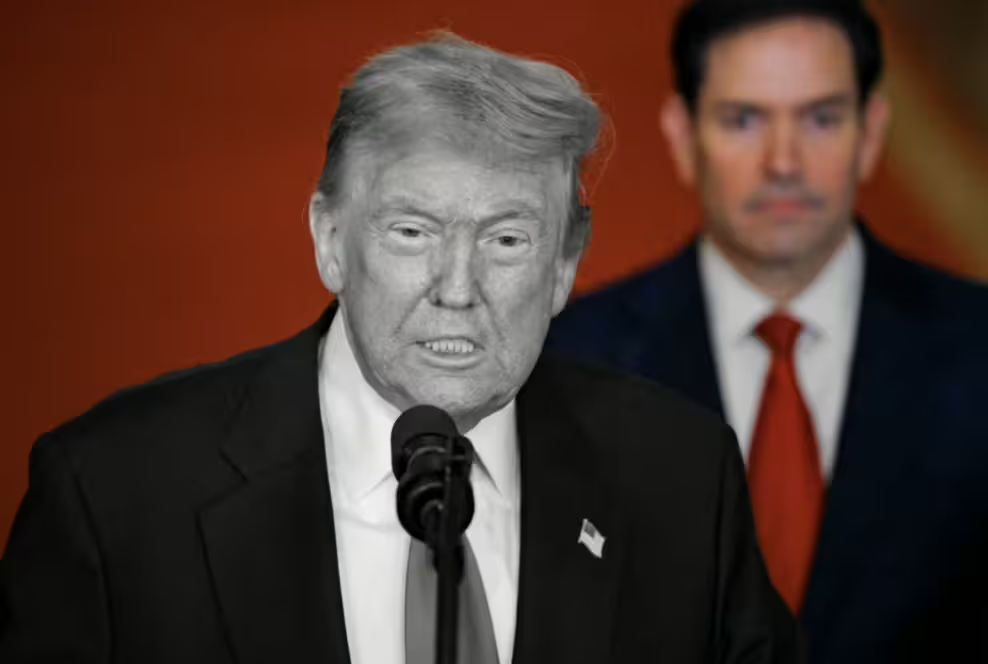
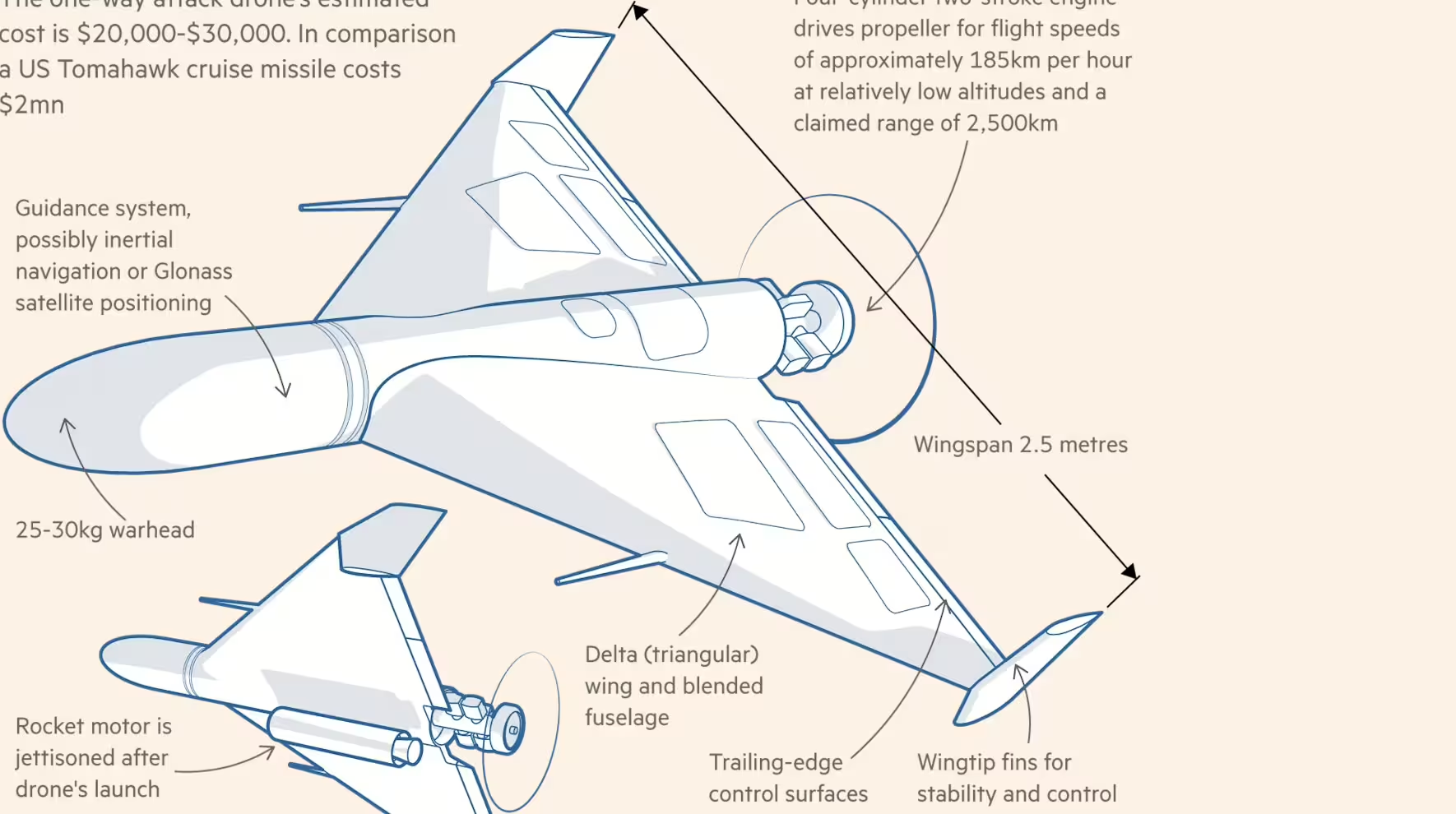
Iran, meanwhile, said it launched drones at U.S. bases in Bahrain and Jordan, with no independent confirmation of damage. The escalation comes as Trump considers an attack “bigger than ever before,” arguing that Tehran has not yet experienced enough pressure to accept a deal.
Details
- Rejected offer: Iraq’s prime minister delivered the proposal after a recent White House visit, but Iranian officials turned it down.
- Sustained campaign: Washington says its strikes are intended to weaken Iran’s ability to target commercial vessels in Hormuz.
- U.S. blockade: American forces have redirected or disabled 13 ships as part of the blockade on Iranian ports.
- Frozen funds: Trump threatened to use Iranian money under U.S. control to compensate damaged ships and cargo.
- Red Sea front: Houthi attacks on Saudi tankers are threatening navigation through Bab el-Mandeb, placing a second energy corridor under pressure.
- Economic cost: Brent crude exceeded $100 a barrel, up from about $70 at the beginning of July.
Between the lines
Washington appears to be combining military and economic pressure to impose new negotiating terms, while Tehran is betting that threatening Hormuz and Bab el-Mandeb will raise the cost of war for the United States and its allies. The rejection of the Iraqi-mediated offer suggests both sides still believe force can improve their positions.
What to watch
Attention now turns to Trump’s decision on a broader offensive and whether Iraq or other mediators will present a revised ceasefire proposal. Any attack on power plants, bridges or frozen Iranian assets could prompt Tehran to expand strikes against regional infrastructure and U.S. bases.