News
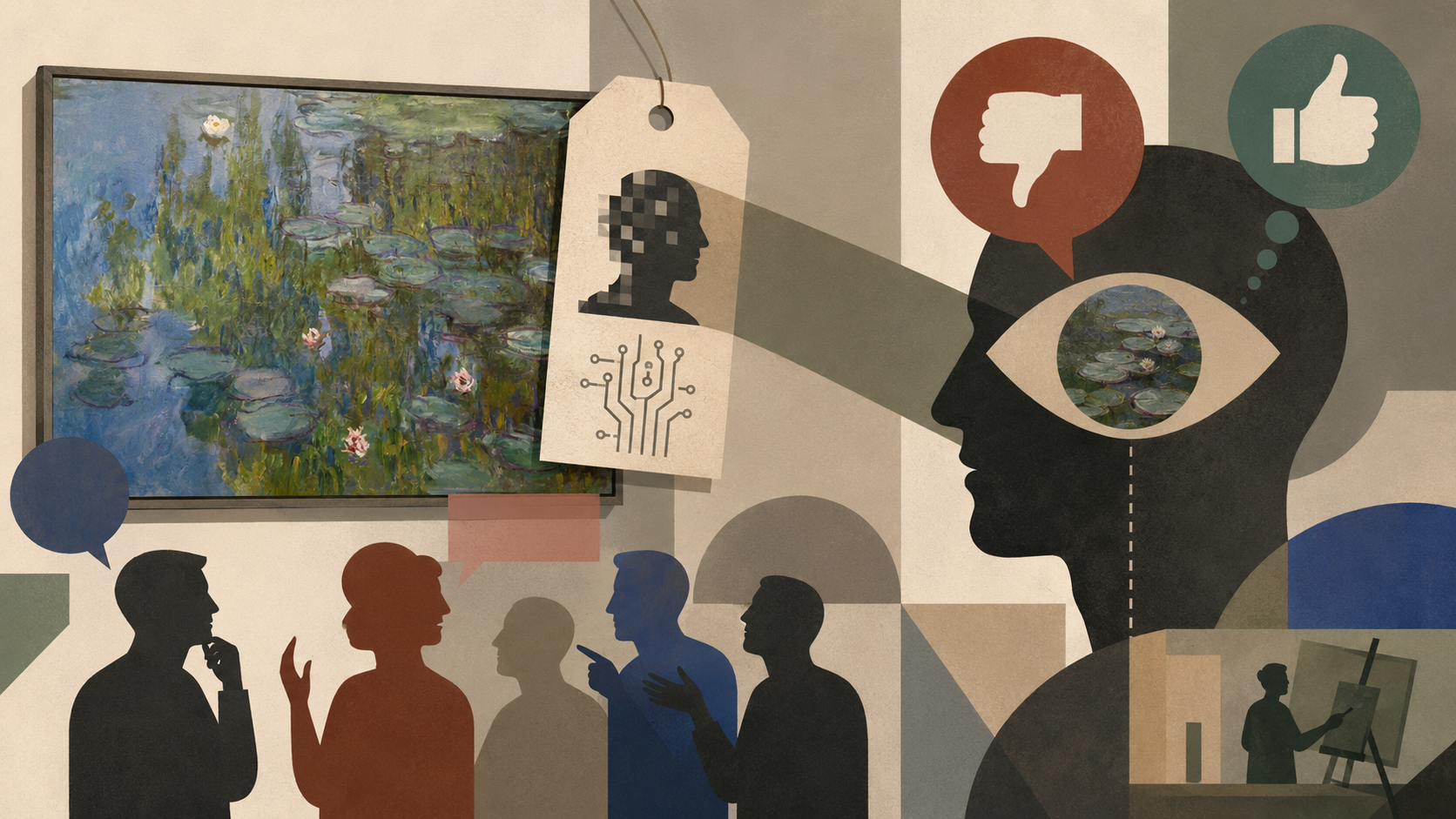
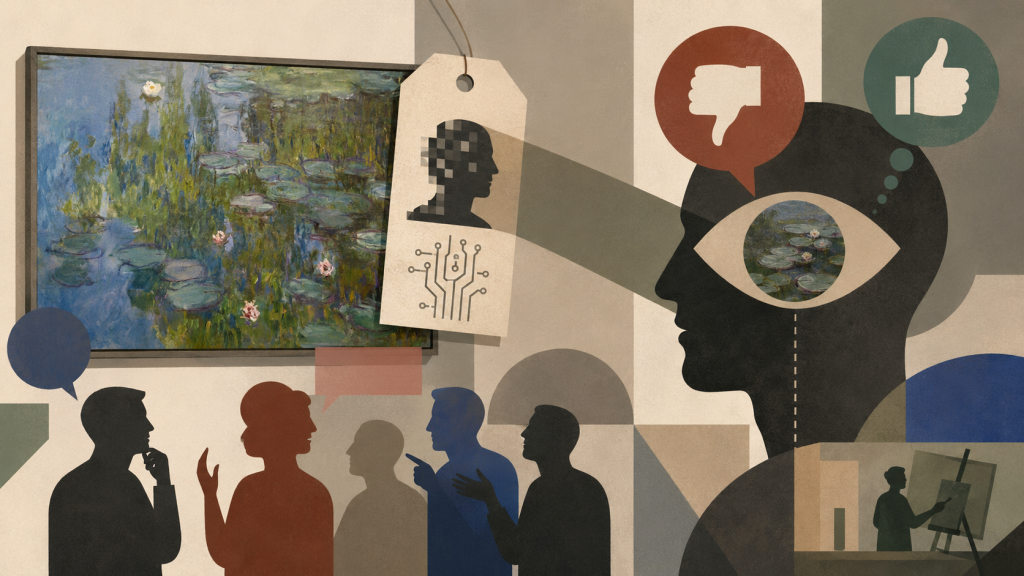
Anonymous conceptual artist SHL0MS turned X into an open psychological lab after posting a cropped image from an original Claude Monet painting from the “Water Lilies” series, attaching a fake label saying it was made with AI, and asking users to explain what made it inferior to a real Monet painting.
Details:
• The experiment began on May 12, when SHL0MS posted the image on X, claiming it was an AI-generated work in Monet’s style, and asked users why it was inferior to an original painting by the French artist.
• Many quickly fell for it. They criticized the depth, color cohesion, tree reflections on the water, the movement of the eye through the composition, and the absence of human soul.
• Some users wrote lengthy analyses and drew explanatory diagrams to prove the painting carried the flaws of AI, before it became clear that the work actually belonged to Monet’s famous series.
• After the reveal spread, several commenters deleted their replies, but screenshots had already circulated, turning the experiment into a wider debate about trust, taste, and anti-AI bias.
• The experiment does not prove that all criticism of AI-generated art is wrong, but it shows that the label alone can change visual judgment: the same work can be read as a masterpiece when attributed to a human, or as soulless when attributed to a machine.
• The episode intersects with psychological research showing that people tend to downgrade artworks when they know, or believe, they were generated by AI, even when it is difficult to distinguish them from human-made art.
• The experiment also reopened a debate within digital art communities, where some artists say they now face automatic accusations of using AI simply because their work looks polished or unconventional.
• SHL0MS is known for provocative conceptual projects in digital art and NFTs, and the Monet experiment appeared to extend his method of using the internet to expose collective reactions, not merely to stage a passing prank.
What next?
The importance of the experiment is not in embarrassing some X users, but in the larger question: do we judge an image by what we actually see, or by what its label tells us? As visual generation tools spread, transparency will matter, but reverse bias is also dangerous: rejection of AI can become a lens that corrupts judgment even of human art itself.