News
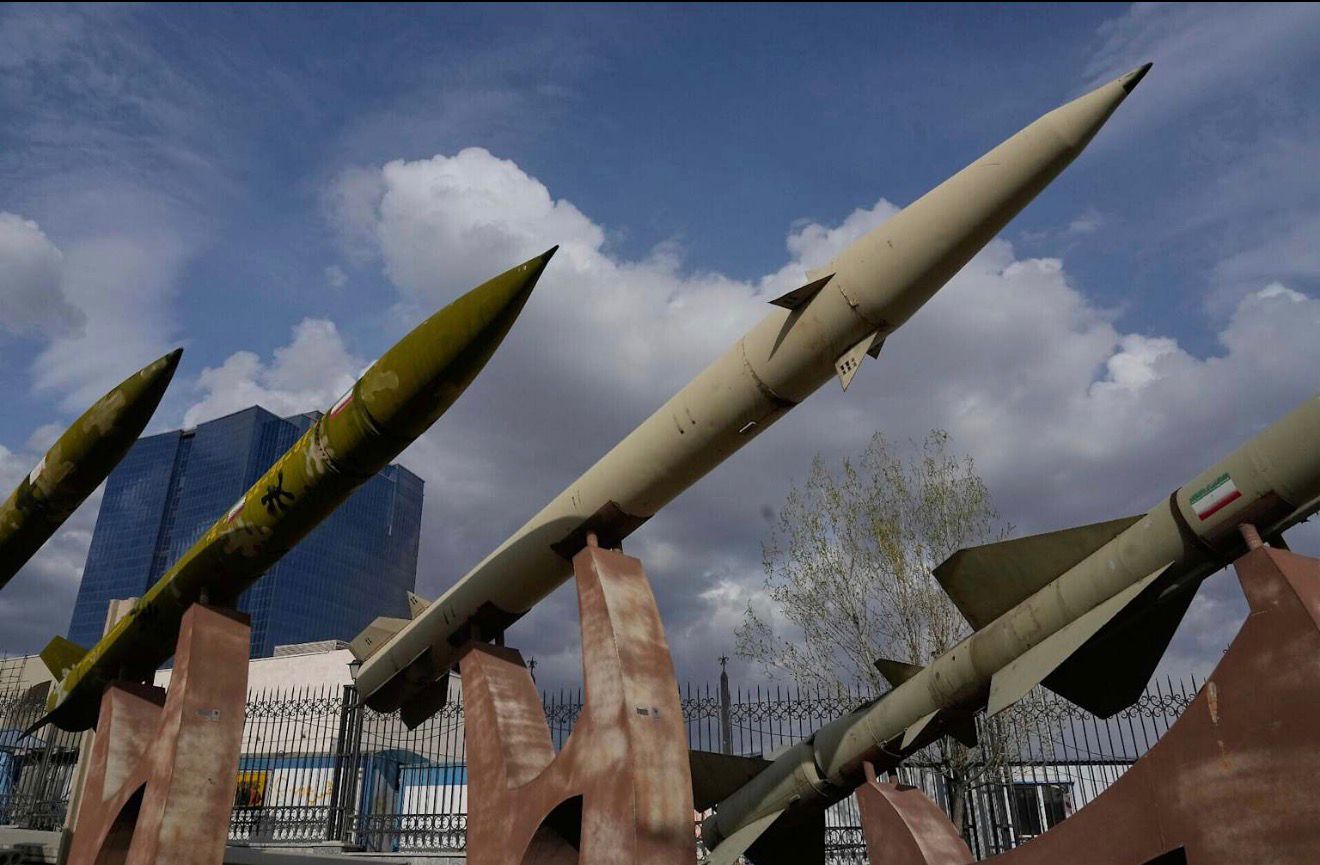
Washington is returning to Pakistan once again, but without any clear sign yet of a decisive breakthrough. The US administration has announced a new delegation to Islamabad to continue talks with Iran, even as this diplomatic track coincides with the most dangerous point of dispute in the entire picture: the Strait of Hormuz.
The paradox is that negotiations are returning even as the language of threats is escalating. Trump said Iran violated the ceasefire by firing on ships in the strait, repeated that Washington had offered a “fair deal,” and at the same time renewed threats to strike Iranian power plants and bridges if the talks fail.
On the other side, Tehran does not appear to be in a position of rapid retreat. The Iranian narrative says the US naval blockade itself is illegal, and that continued pressure on Iranian shipping is a breach of the truce. Between the two narratives, Hormuz has remained effectively largely closed, and the ceasefire looks more like a fragile halt in fighting that could collapse at any moment.
Details
• A White House official said JD Vance will again lead the US delegation, joined by Steve Witkoff and Jared Kushner.
• Trump had earlier hinted that Vance might not attend because of security concerns, but the final arrangement confirmed his participation.
• This round comes after a previous meeting in Islamabad ended without a final breakthrough, even though it was one of the highest-level encounters between the two sides in decades.
• Trump said the meetings in Pakistan will begin on Tuesday.
• At the same time, he accused Iran of committing a “total violation” of the ceasefire agreement by firing in the Strait of Hormuz.
• He said some of the shots were directed at a French vessel and a British freighter.
• He also argued that Iran’s announcement of closing the strait changes little, because the US blockade on Iranian ports had already made passage effectively disrupted.
• Trump repeated that the closure hurts Iran more than anyone else, saying it is losing around $500 million a day because of the continued shutdown.
• He added that the United States is losing nothing from this situation, and that some ships are now heading to the United States, especially to Texas, Louisiana, and Alaska, to load energy supplies.
• The US president said Washington had offered a “very fair and very reasonable deal,” but tied that to a direct threat: if Iran does not accept the agreement, the United States will target every power plant and every bridge in Iran.
• That threat did not remain confined to a political post, as US officials also said that targeting civilian infrastructure in Iran remains an option if no agreement is reached to extend the ceasefire.
• On the other side, Tehran says the US naval blockade on Iranian ports and coastlines is a violation of the Pakistan-mediated truce and also a breach of international law.
• Iran had announced on Friday that the strait was open to commercial ships along a route designated by Tehran, but the Iranian military tightened its grip again less than a day later in response to the continued US blockade.
• The result was that the Strait of Hormuz appeared effectively largely closed on Sunday, with a sharp drop in traffic in both directions.
• This deadlock in Hormuz has now become the most dangerous flashpoint for reigniting the fighting if the talks collapse.
• That is because the strait is not just a side negotiating file. It is a knot that directly affects global energy and links the military truce with economic pressure at the same time.
• In the background, the core disputes between the two sides still remain unresolved.
• Trump keeps saying Iran has accepted most of his demands, especially on the nuclear file, but Tehran strongly denies that.
• Iranian President Masoud Pezeshkian stressed that Trump has no right to deprive Iran of a nuclear programme.
• The Iranian narrative also rejects claims that Tehran agreed to hand over highly enriched uranium or fully accept US conditions.
• Mohammad Bagher Ghalibaf said previous talks had seen progress, but that “fundamental issues” remain unresolved.
• He added that Iran wants to consolidate what it sees as its military achievements through diplomacy, while at the same time remaining ready to resume fighting at any moment if necessary.
• This means Tehran is trying to negotiate from what it describes as a position of battlefield endurance, not from a position of political surrender.
• The temporary two-week ceasefire is approaching its end this week, without any public confirmation of a new agreement or any clear narrowing of the major gaps.
• That makes the coming days a real turning point: either a political extension that eases tensions, or a rapid return to bombing, blockade, and escalation in Hormuz.
• In parallel with this track, another notable development has emerged inside Iran: a limited easing of internet restrictions, but only for academic and research groups.
• The Iranian government said it would restore broader internet access for university professors and researchers.
• But the rest of the population is entering roughly its fifty-first day of a near-total international internet blackout.
• And although some services such as Google Search and Google Maps have partially returned, real access to most websites remains heavily restricted.
• This development has raised fears of what Iranians call a “tiered internet,” meaning open access for limited groups linked to the state or elite circles, while the majority remain inside a closed and monitored domestic network.
• The Iranian scene therefore becomes dual-track: external negotiations under threat, and internal tightening over information and access to the world.
What next?
The question now is not only who will go to Islamabad, but whether this new round can actually produce something tangible before the ceasefire expires.
If Hormuz remains largely closed, and each side remains committed to its own victory narrative and maximal conditions, the talks could quickly shift from an opportunity to reduce escalation into a final stop before escalation returns.