Summary:
Key Points
- OpenAI launched a Computer History feature that lets ChatGPT track a user's apps and websites
- Google will now train its AI on photos and files uploaded through Search by default, with an opt-out
- Privacy experts warn no clear rules govern how AI firms can reuse this data for ads
The Latest:
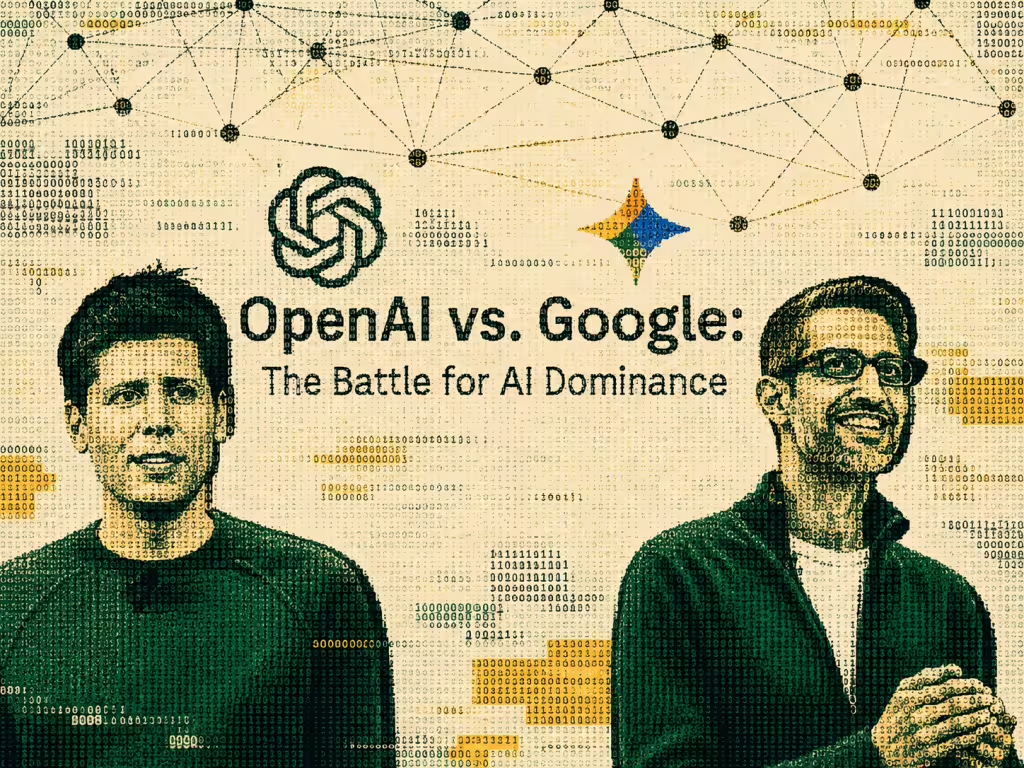
OpenAI rolled out an optional Computer History feature letting ChatGPT track the apps and websites a person uses, while Google said last month it will use uploaded Search photos to train its AI by default, with an opt-out available.
Details:
- Apple: Processes requests on-device and uses Private Cloud Compute for heavier tasks so data never reaches Apple — unless someone uses a service like ChatGPT.
- Meta: Its broader policy lets Meta AI conversations, including via smart glasses, personalize content and ads — except chats about health, politics or religion.
- Private mode: Meta is rolling out an Incognito Chat option for temporary, unstored conversations, similar to Apple’s approach — but rules vary widely across companies.
- The warning: CDT chief technologist Miranda Bogen says weak privacy rules make it hard to resist turning this knowledge into ad revenue.
Between the Lines:
Per Axios, the real question is no longer whether a company trains on your prompts, but whether those prompts shape how the system understands you — and what else that understanding gets used for.
What to Watch:
No binding rules yet govern how firms can reuse this data for ads. Apple, Google and Meta keep expanding temporary-chat options as the industry moves toward inserting ads directly into chatbots in coming months.