The latest
The proposed U.S.-Iran agreement received broad international support, with governments describing it as a potential breakthrough that could end months of war and ease tensions that have rattled global energy markets and fueled concerns about a wider economic slowdown.
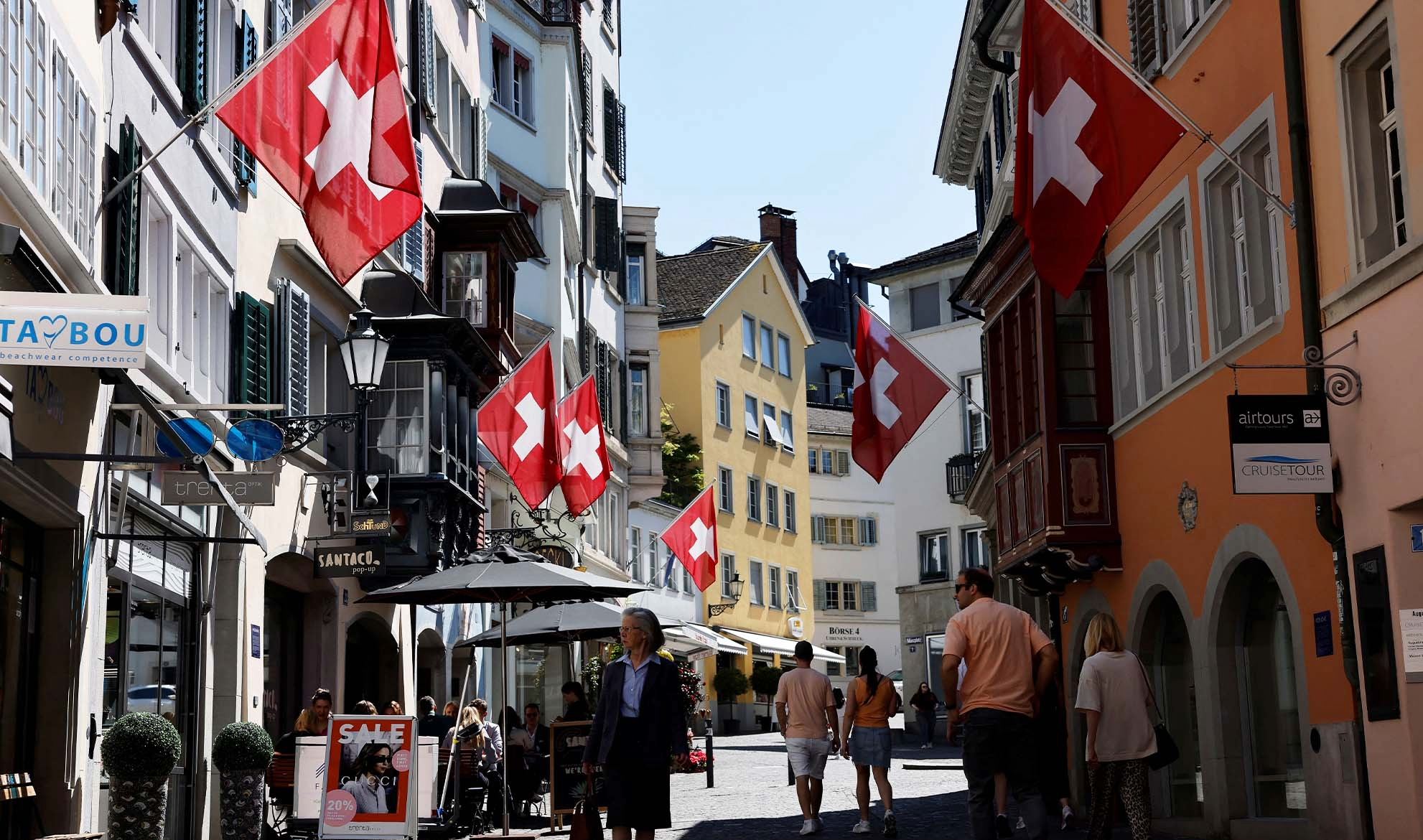
The deal is expected to be signed in Switzerland on Friday. According to the announced framework, it would establish a permanent end to the conflict and launch a new round of negotiations on Iran’s nuclear program.
Details
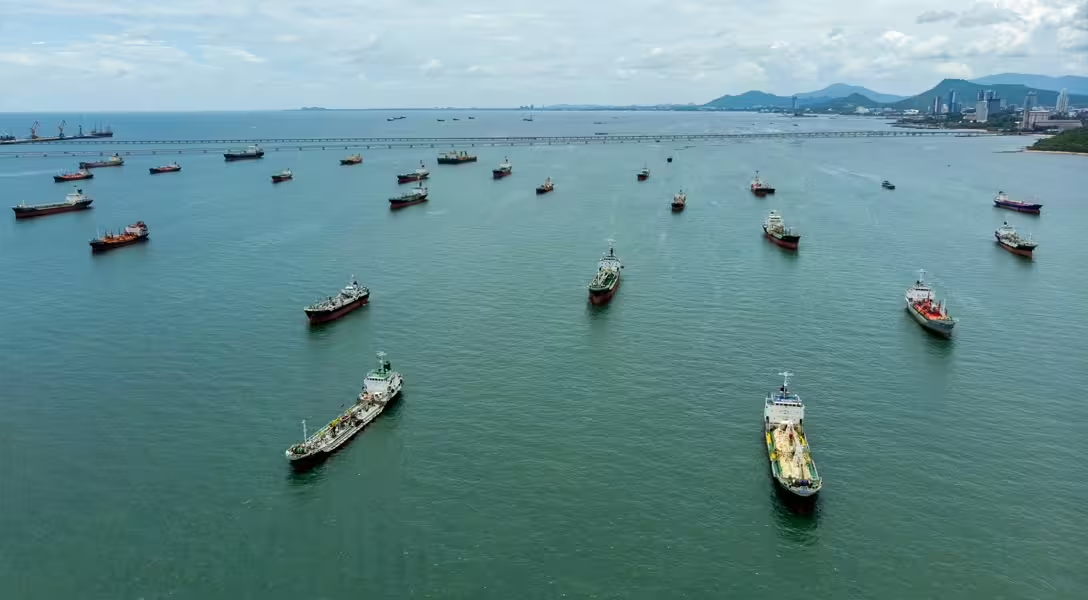
• President Donald Trump said he would immediately lift the U.S. naval blockade. Iranian state media had previously reported that a draft agreement included the removal of U.S. oil sanctions and the reopening of the Strait of Hormuz within 30 days.
• China welcomed the agreement and expressed hope that it would be signed as scheduled, urging all sides to resolve disputes through dialogue.
• Britain, France, Germany and Italy described the deal as an opportunity to restore regional stability and support the global economy. The four countries said they were prepared to lift certain sanctions in response to “clear and verifiable” Iranian steps on its nuclear program.
• European governments also called for the urgent reopening of the Strait of Hormuz and unrestricted freedom of navigation, while reiterating that Iran must never acquire a nuclear weapon.
• British Prime Minister Keir Starmer called the agreement a major step toward ending the war. Japan said successful implementation should include safe maritime navigation and progress toward a final settlement of the nuclear issue.
• European Commission President Ursula von der Leyen urged the immediate reopening of the strait and called for an end to Iran’s nuclear and missile programs. She also warned that regional stability would remain fragile as long as fighting continues in Lebanon.
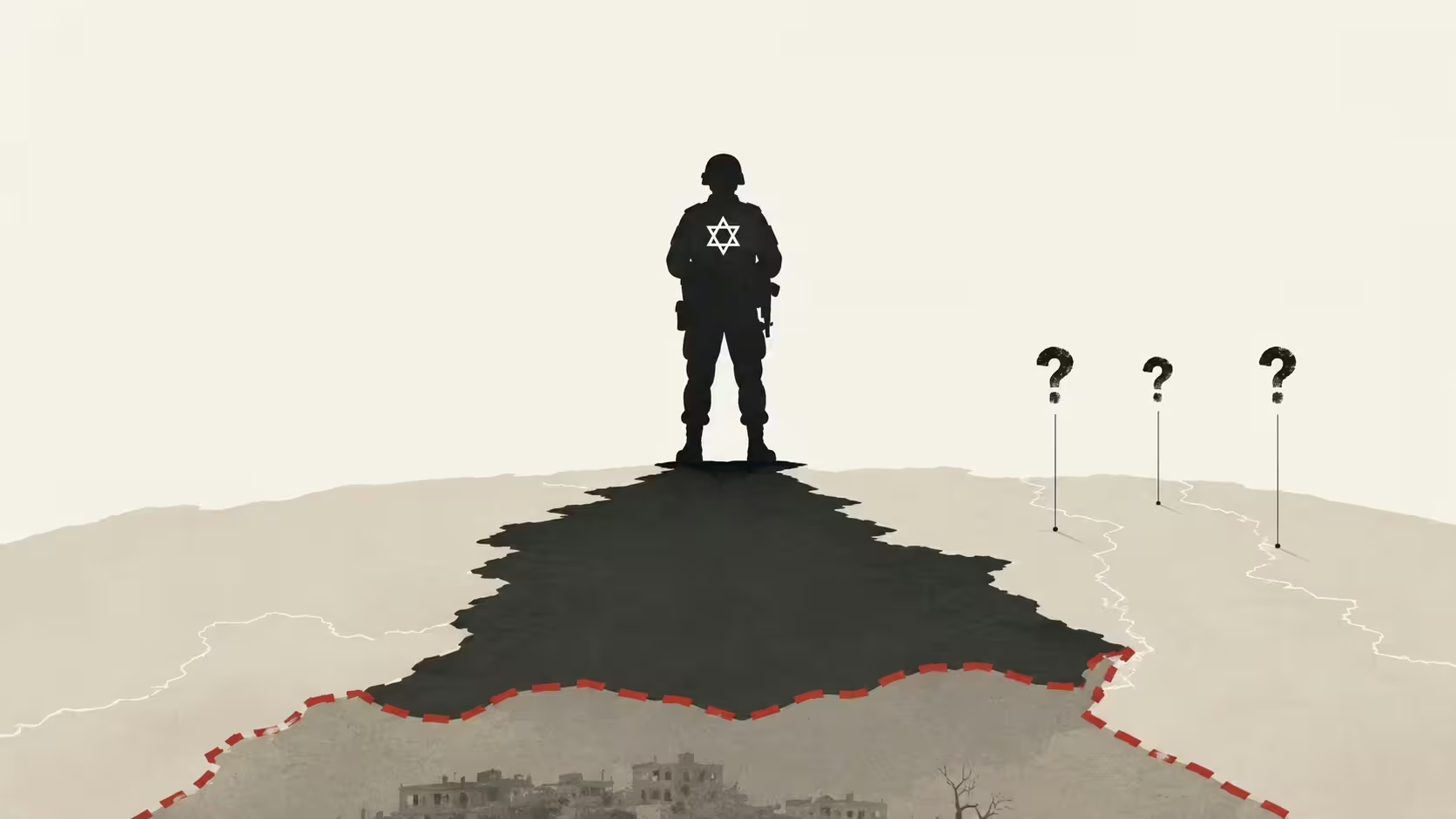
• Israeli Defense Minister Israel Katz said Israeli forces would remain in what he described as “security zones” in Lebanon, Gaza and Syria, adding that Israel would respond to any Iranian attack.
• The United Nations welcomed the agreement as a critical step toward a peaceful settlement. Qatar and Egypt also praised the deal, describing it as an opportunity to strengthen regional and international stability.
• Australia said reopening the Strait of Hormuz would be essential to easing pressure on global energy prices and urged Iran to address long-standing concerns over its nuclear program.
• Markets reacted quickly to the announcement. Brent crude fell about 4% to $83 a barrel, while U.S. West Texas Intermediate dropped 4.8% to $80.80.
What to watch
The next major test will be the signing ceremony in Switzerland and whether both sides follow through on commitments related to sanctions relief, the nuclear program and the reopening of the Strait of Hormuz. Governments and markets will also be watching whether the agreement can contain remaining regional flashpoints, particularly in Lebanon, or whether unresolved conflicts continue to threaten the stability many hope the deal will bring.