The latest
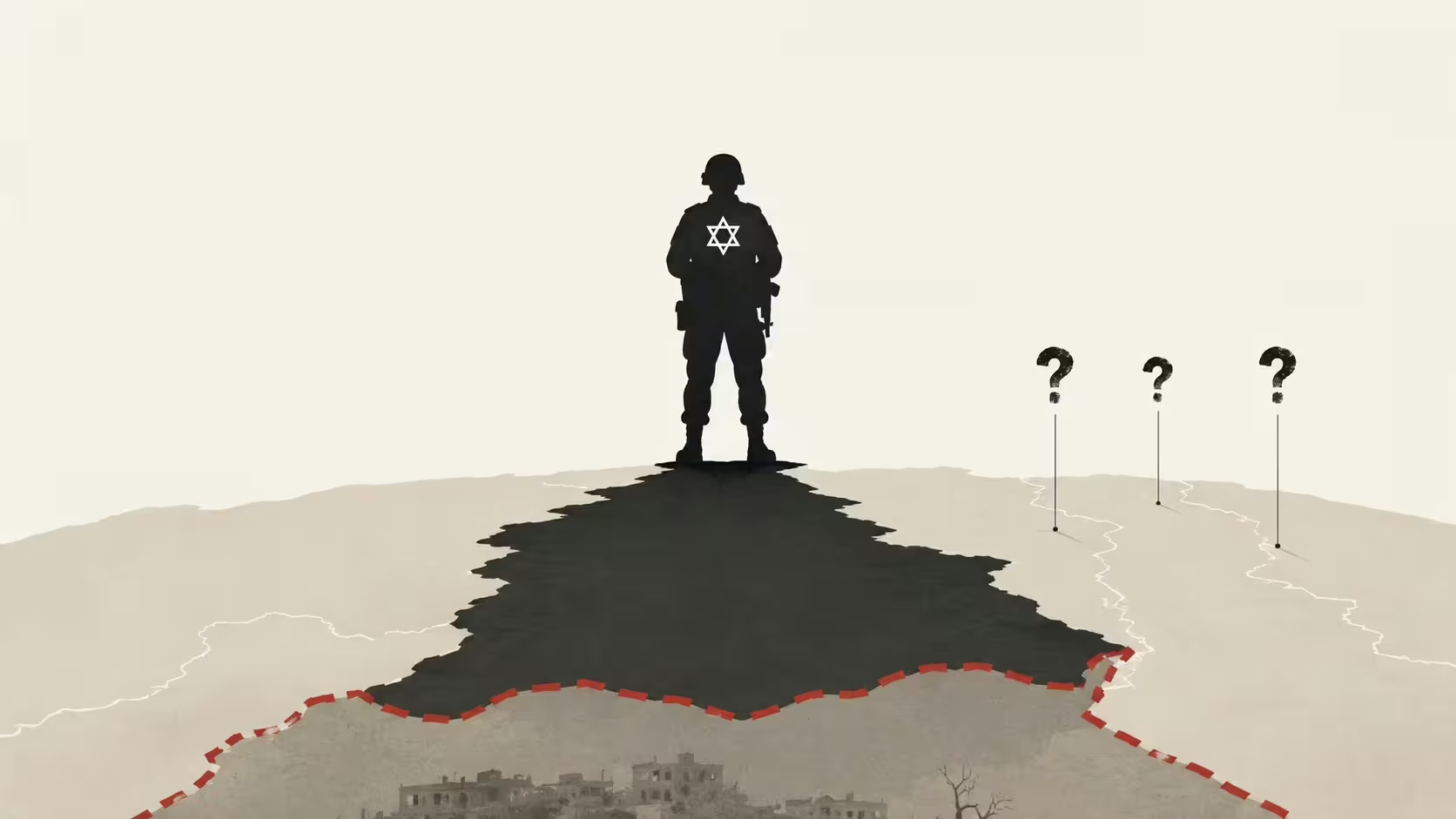
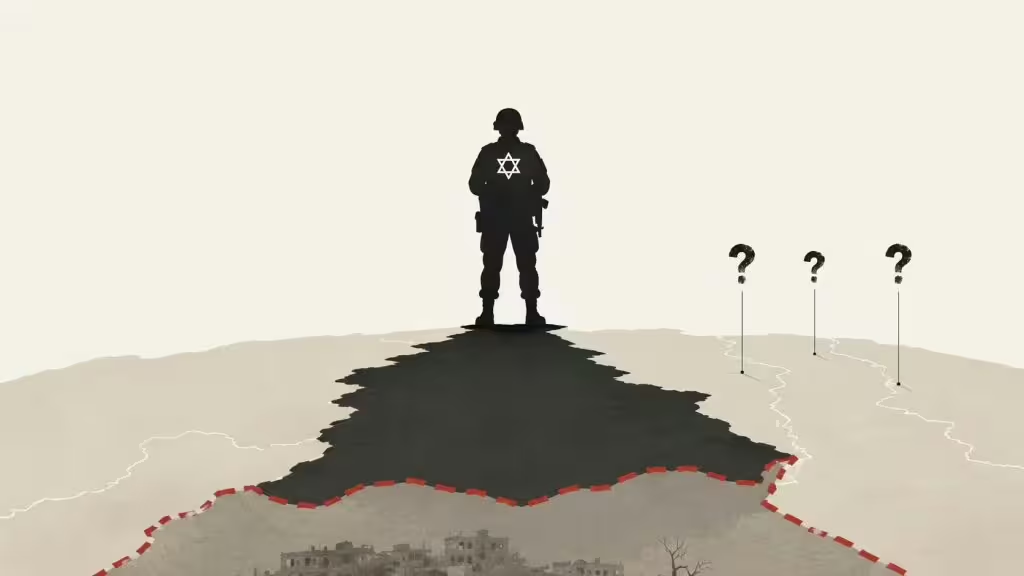
Israeli Defense Minister Israel Katz’s declaration that Israeli forces will remain indefinitely in “security zones” inside Lebanon has raised fresh questions about the future of Israel’s military presence there.
The statement comes as details of a potential U.S.-Iran agreement remain unknown, leaving uncertainty over how any deal could affect Lebanon and the broader regional balance.
Katz argued that retaining control of these areas is essential to protecting northern Israeli communities and preventing a repeat of the October 7 attacks. He described the captured territory as one of Israel’s most significant achievements of the war.
Details
• Israeli forces remain deployed across parts of southern Lebanon, from the border to what Israeli sources describe as the “yellow line,” while operations against Hezbollah infrastructure continue.
• Israel says it has destroyed border villages, weapons caches, tunnels, and military positions during months of fighting, while troops continue operations near the Litani River and the Nabatieh area.
• Dozens of Israeli soldiers have been killed since the ground campaign began in February, highlighting the risks faced by forces operating deep inside Lebanese territory.
• The long-term mission remains unclear. It is not known whether troops will maintain permanent positions or conduct periodic raids and limited operations.
• Questions also remain over whether Israeli forces will have authority to strike Hezbollah operatives inside southern villages and how any future reconstruction efforts would be handled.
The hard questions
The central dilemma is no longer simply whether Israel stays or withdraws, but how it manages the next phase.
If troops remain inside Lebanon without broad operational authority or clear rules of engagement, they could become increasingly vulnerable to attrition and attacks. If they withdraw, Israeli officials fear Hezbollah could gradually return to evacuated areas and rebuild its military infrastructure.
Another unresolved question is where Israel intends to draw its final security line and what level of control it believes is necessary to protect northern communities. Any future arrangement will also need to address whether displaced Lebanese residents can return to villages emptied during the fighting.
What to watch
Much will depend on the terms of any U.S.-Iran understanding and on decisions made by Israel’s political leadership regarding southern Lebanon.
Until those issues are resolved, Israeli forces are expected to remain in place. The longer the uncertainty persists, the greater the risk that what Israel views as a strategic achievement could evolve into a growing military and political liability.
Source: Based on reporting and statements from Israeli officials.