The latest
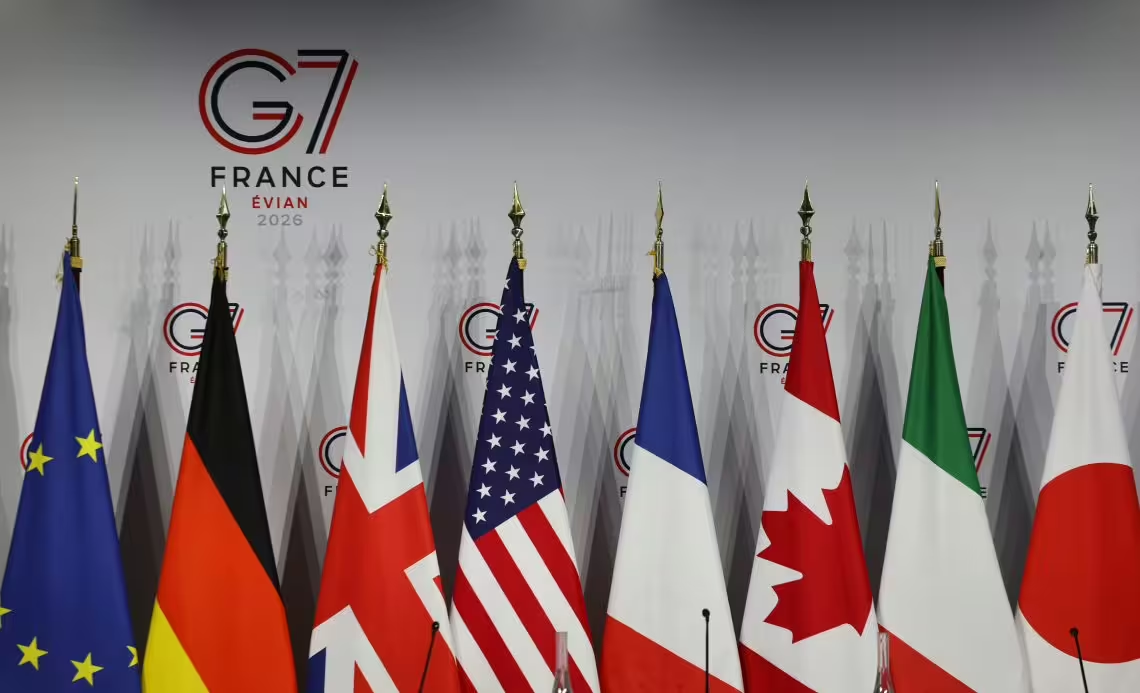
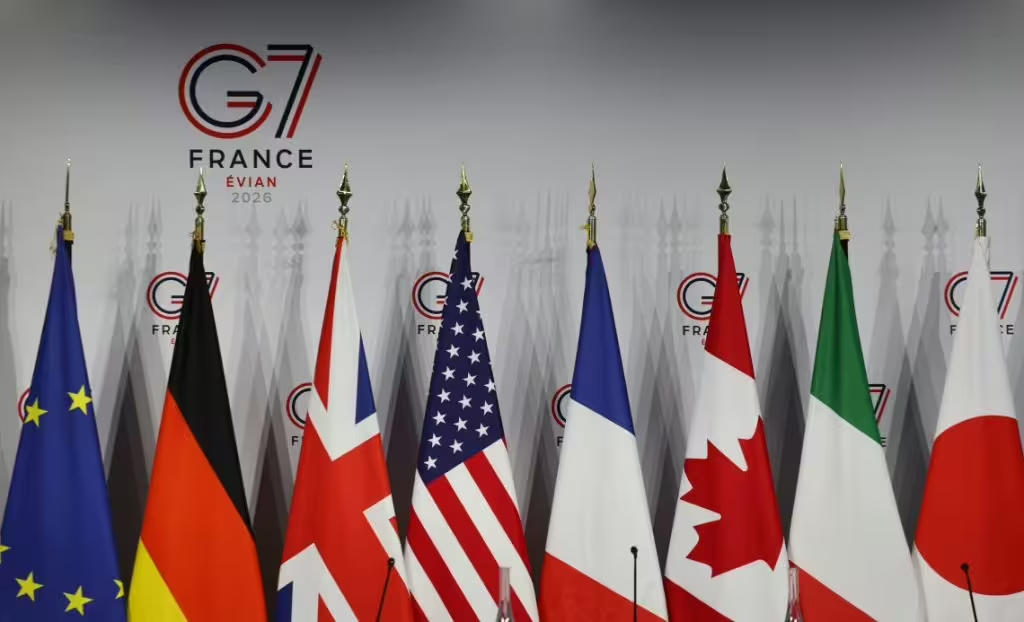
When President Donald Trump arrives at the G7 summit in France, he will face a different political landscape from the one he encountered during his first term. For a growing number of European leaders, Trump is no longer seen as a temporary disruption but as part of a broader shift in U.S. policy that is forcing them to rethink their dependence on Washington.
While the United States remains the military backbone of NATO, debate is intensifying across Europe over what the continent’s future should look like if Washington is no longer willing—or expected—to lead every international crisis.
Details
• Many European leaders believe years of disputes over tariffs, foreign policy, and defense have exposed the limits of relying too heavily on the United States.
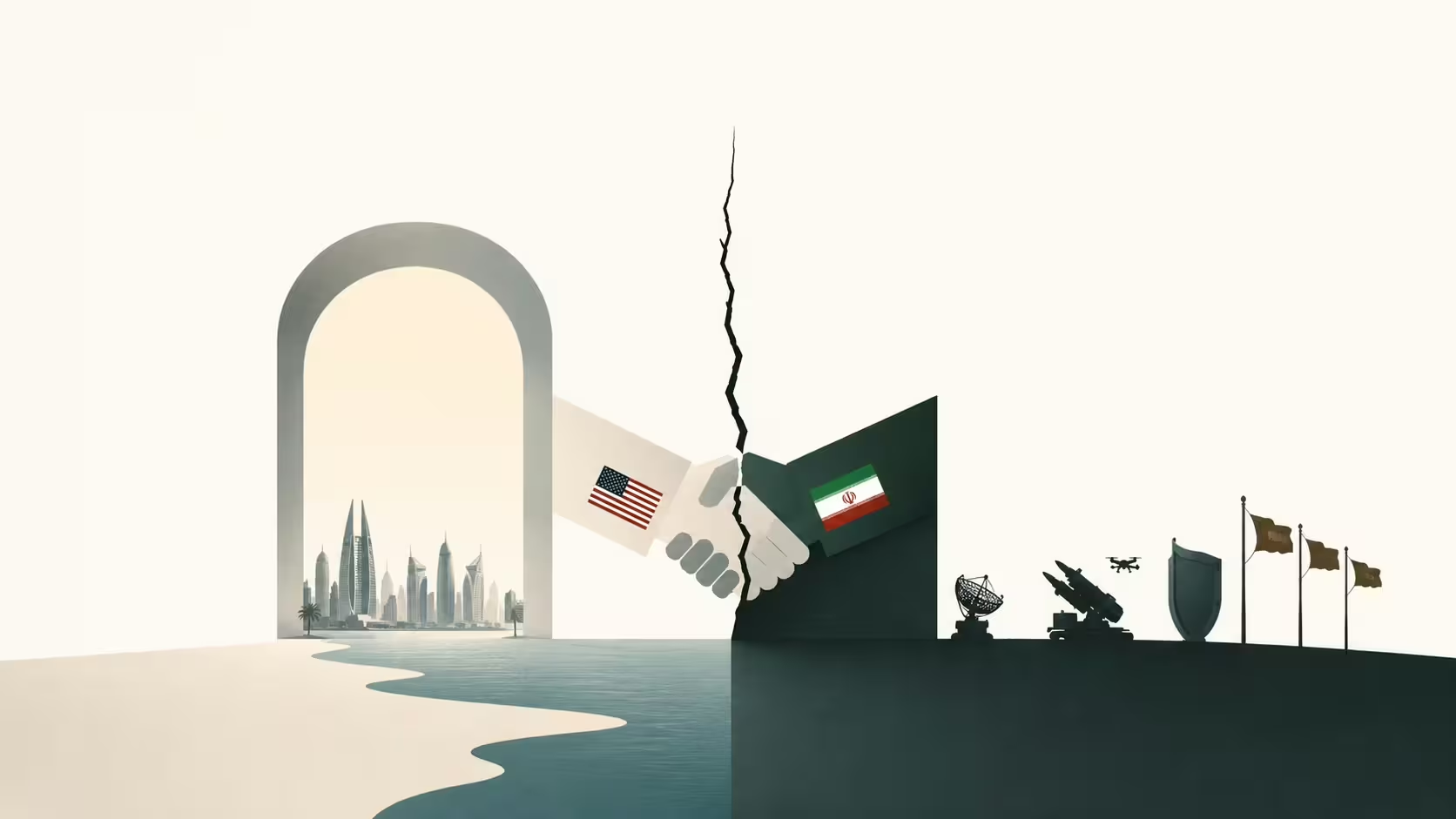
• The recent war involving Iran reinforced concerns that U.S. decisions can create major economic and security consequences for allies with little influence over the outcome.
• French President Emmanuel Macron continues to champion what he calls European “strategic autonomy,” arguing that Europe must strengthen its own political and defense capabilities.
• The Trump administration, meanwhile, is pressing European governments to shoulder a larger share of defense responsibilities, arguing that the United States cannot continue leading every major global challenge.
• Greenland emerged as a turning point for many European officials, raising unprecedented concerns about Washington’s approach toward long-standing allies.
• Despite growing criticism of Trump, European leaders remain keen to avoid a direct confrontation, recognizing that cooperation with the United States remains essential on security, energy, and economic issues.
• British Prime Minister Keir Starmer arrives under political pressure at home, while recent tensions with Washington have pushed London closer to its European partners.
What to watch
The G7 summit may be only the opening chapter. A more consequential test awaits in a few weeks at the NATO summit, where leaders will confront difficult questions about defense spending and the future of the transatlantic alliance. What is unfolding now looks less like a temporary dispute with Trump and more like a broader European debate over the future of its relationship with the United States.