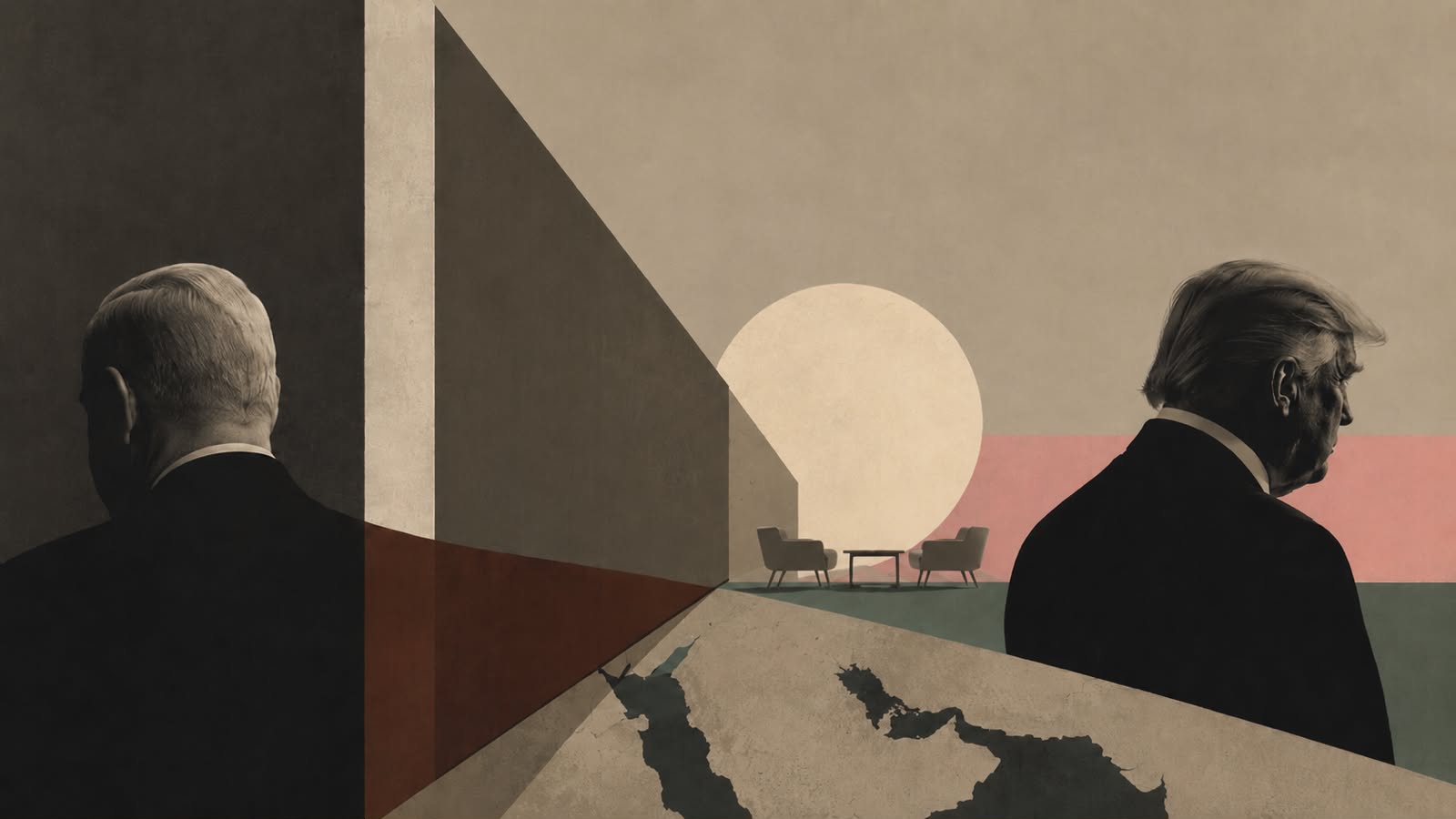
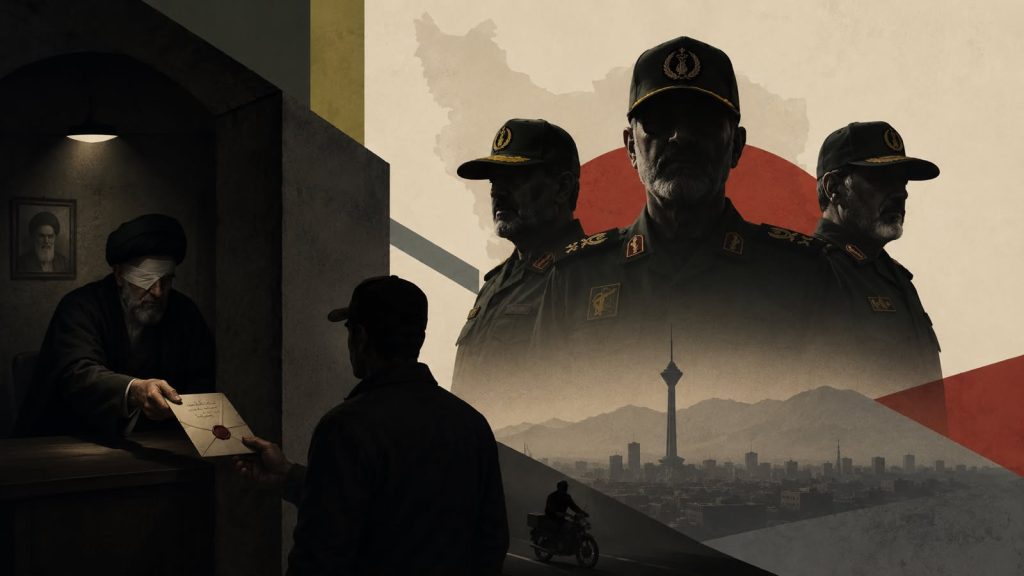
According to Western reports, Iran’s Supreme Leader Mojtaba Khamenei has been managing the affairs of the Islamic Republic from an undisclosed location for nearly three months since assuming power following the death of his father, Ali Khamenei, in a joint U.S.-Israeli strike on February 28.
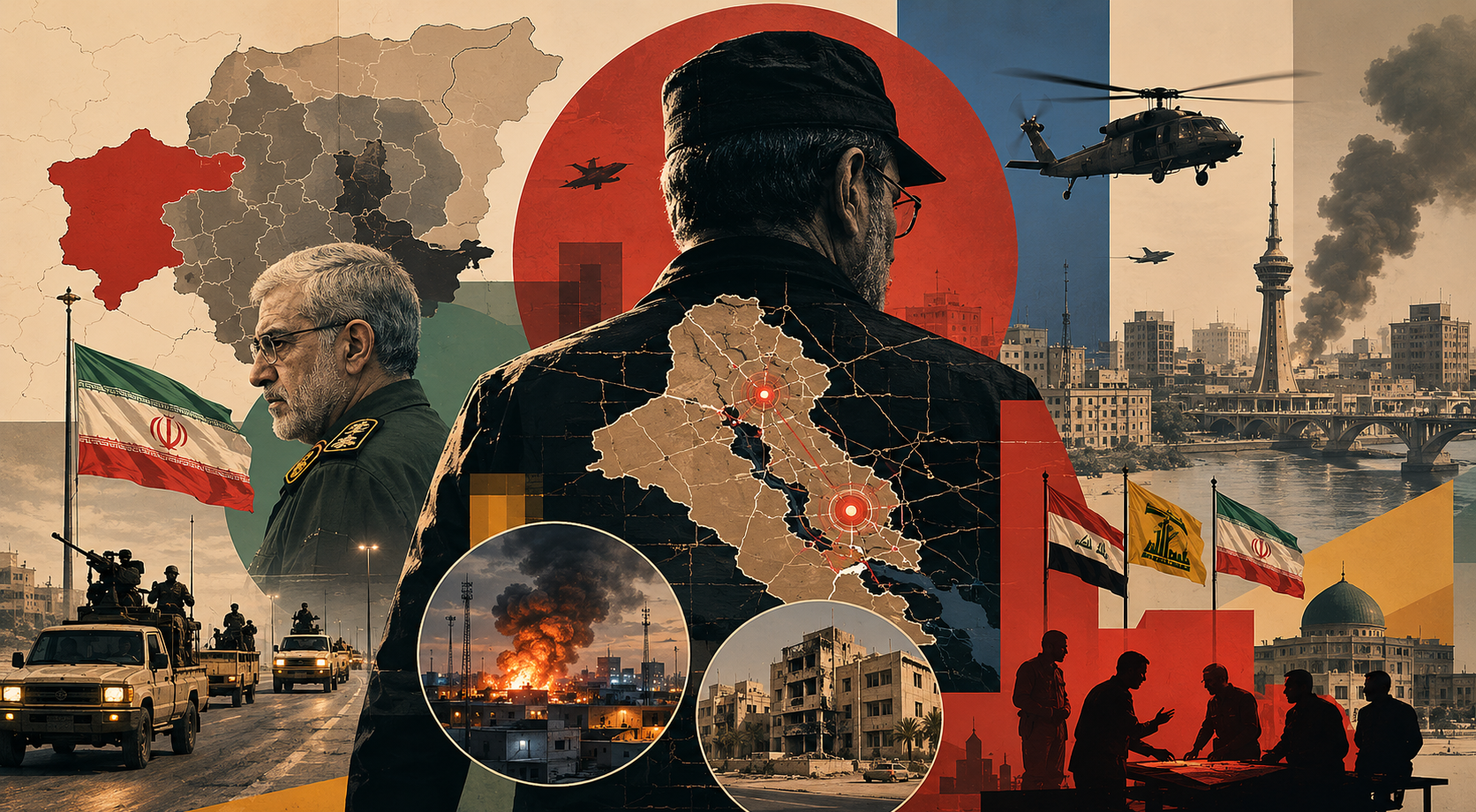
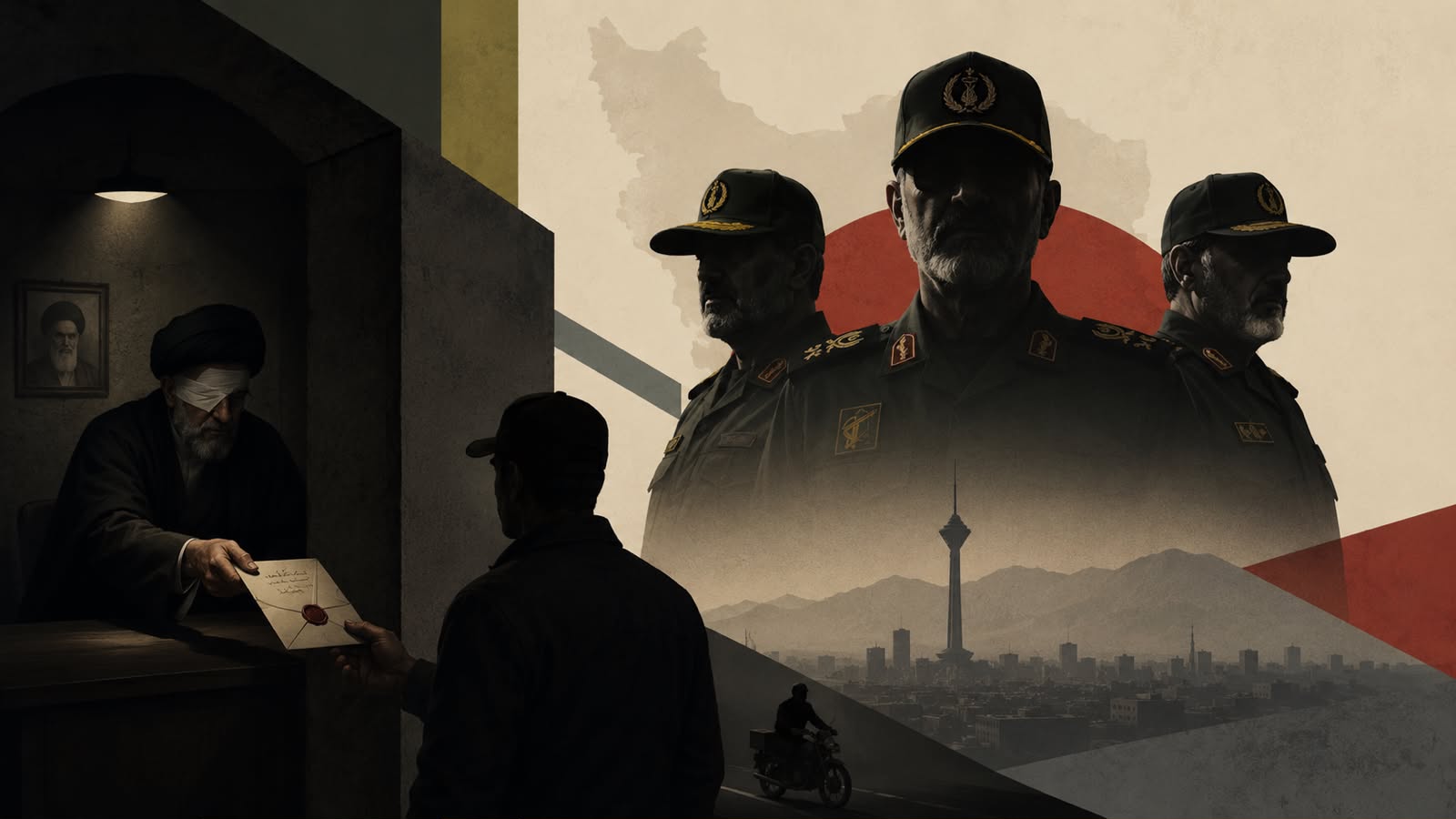
However, The New York Times reported that the center of power in Iran is no longer concentrated in a single individual, but is instead being run through a tight network of current and former Revolutionary Guard commanders whose influence rose during the Iran-Iraq war.
Details
- The decision-making circle reportedly includes figures such as Ahmad Vahidi, Mohammad Bagher Ghalibaf, and Gholam-Hossein Mohseni-Ejei.
- Mojtaba Khamenei was reportedly seriously injured in the same strike, suffering burns to his face and lips, as well as injuries to his leg and arm, while his wife and son were killed.
- According to The New York Times, communication among decision-makers relies on handwritten messages sealed in envelopes and delivered through a human courier chain using cars and motorcycles.
- Senior Revolutionary Guard commanders and officials reportedly avoid visiting Mojtaba directly out of fear that Israel could track their movements and identify his location.
- Western assessments suggest Mojtaba’s authority appears far weaker than that of his father, and that he depends heavily on Revolutionary Guard leaders as the country’s de facto governing body.
- Iranian state television and official outlets have broadcast statements attributed to Mojtaba Khamenei, while other reports suggest he has participated in sensitive discussions through voice communications.
What’s Next?
Mojtaba Khamenei’s ability to consolidate authority is expected to remain under scrutiny, especially if his public absence continues and the Iranian regime becomes increasingly reliant on Revolutionary Guard commanders in major security and political decisions.