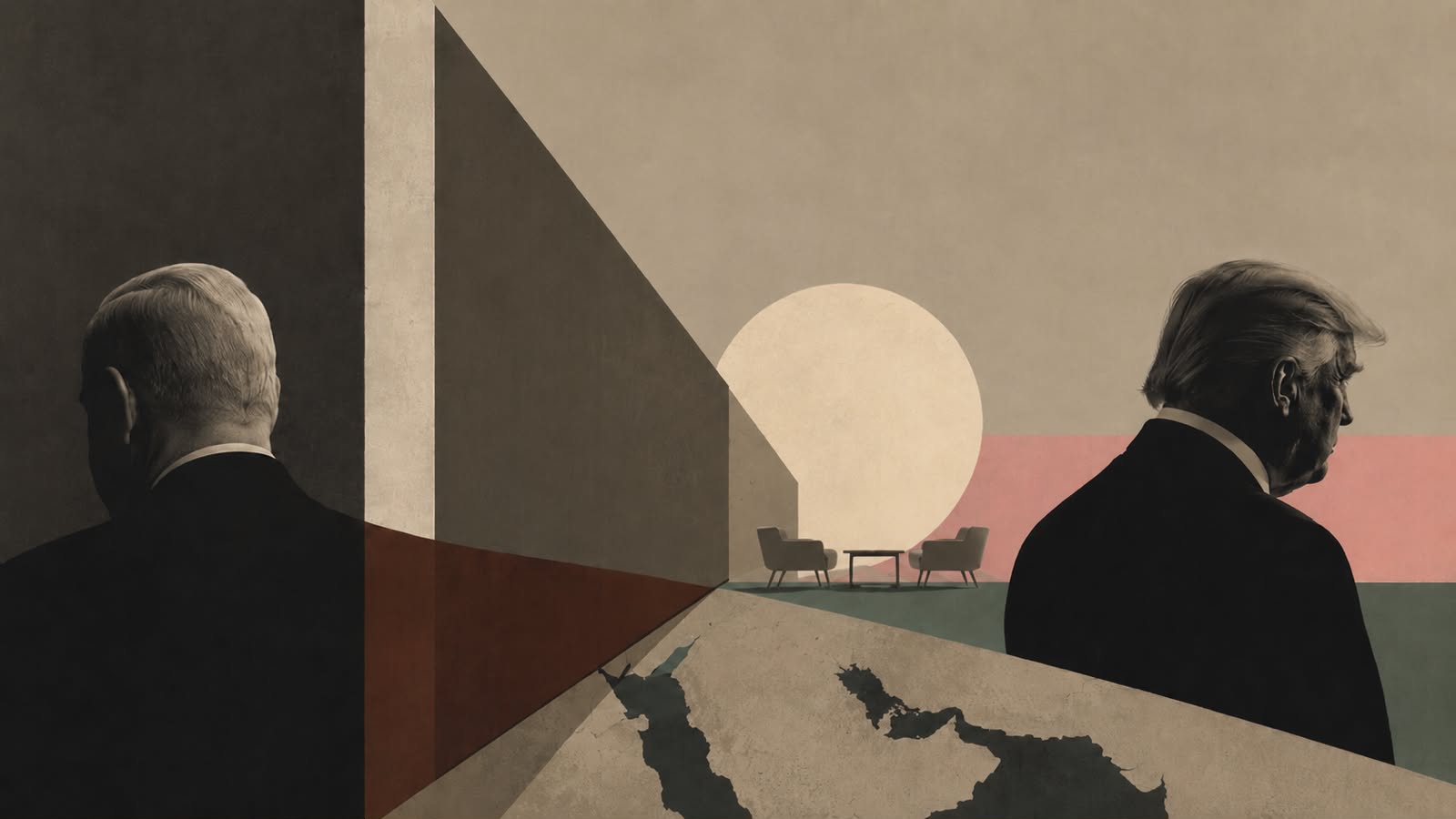
Officials from the Israeli Ministry of Defense revealed to The New York Times that the United States has almost entirely sidelined Israel from the ongoing talks with Iran, reflecting the widening gap between U.S. President Donald Trump and Israeli Prime Minister Benjamin Netanyahu over how to deal with Tehran.
Details
- The disagreement became especially clear during a phone call between Trump and Netanyahu, which Israeli media described as long and dramatic.
- During the call, Netanyahu reportedly pushed for renewed military strikes against Iran and strongly opposed Trump’s diplomatic approach.
- Trump later told reporters that Netanyahu would do “what America wants” regarding Iran, highlighting the extent of the divide between the two leaders.
- U.S. Secretary of State Marco Rubio confirmed that negotiations with Tehran had achieved slight progress, while warning against exaggerating the level of that progress.
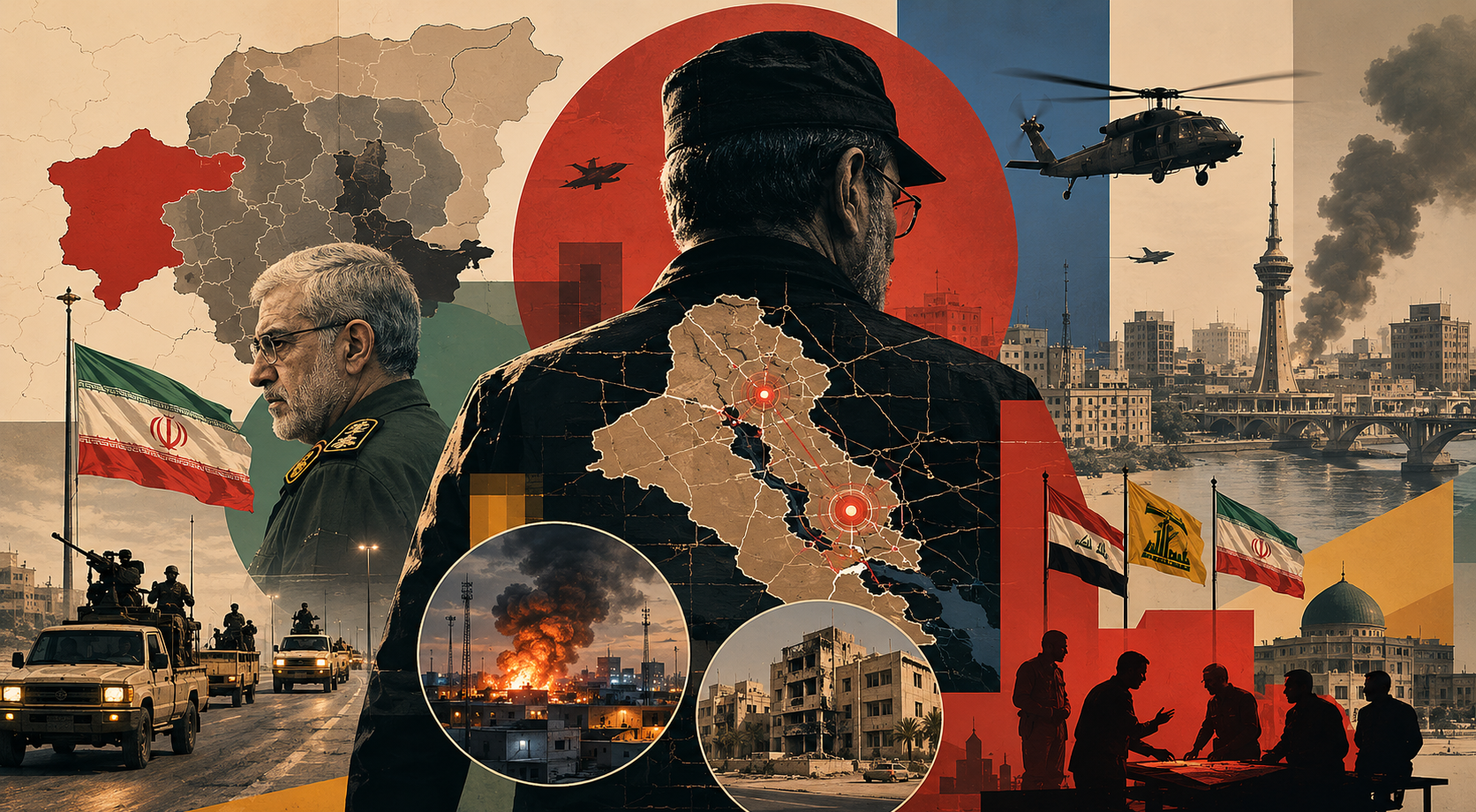
- The tensions stem from the military strike campaign launched by the U.S. and Israel against Tehran on February 28, targeting nuclear facilities, missile systems, and senior figures within the Iranian regime.
- Netanyahu had hoped the campaign would achieve maximum objectives, including destroying Iran’s nuclear and missile programs and toppling the regime, but those goals were not fully achieved even after nearly three months.
- Trump later shifted toward diplomacy through a proposal mediated by Qatar and Pakistan to sign a letter of intent between Washington and Tehran, ending hostilities and opening a 30-day negotiation period over the nuclear program and the reopening of the Strait of Hormuz.
- This approach angered Netanyahu, who viewed easing pressure on Iran as a strategic mistake.
Netanyahu has not only been excluded from discussions related to the Iranian file, but is also facing growing domestic pressure ahead of the October 27 elections, especially after his rivals Naftali Bennett and Yair Lapid announced a joint political alliance aimed at challenging him.
What’s Next?
For U.S. President Donald Trump, the option of military strikes against Iran remains on the table if diplomatic efforts fail. However, at the current stage, he appears to prefer achieving political progress with Iran — even if that happens without any direct Israeli involvement.
The key question now is: Has Netanyahu’s role in the confrontation with Iran shifted from being a primary instigator to merely a secondary player?