News
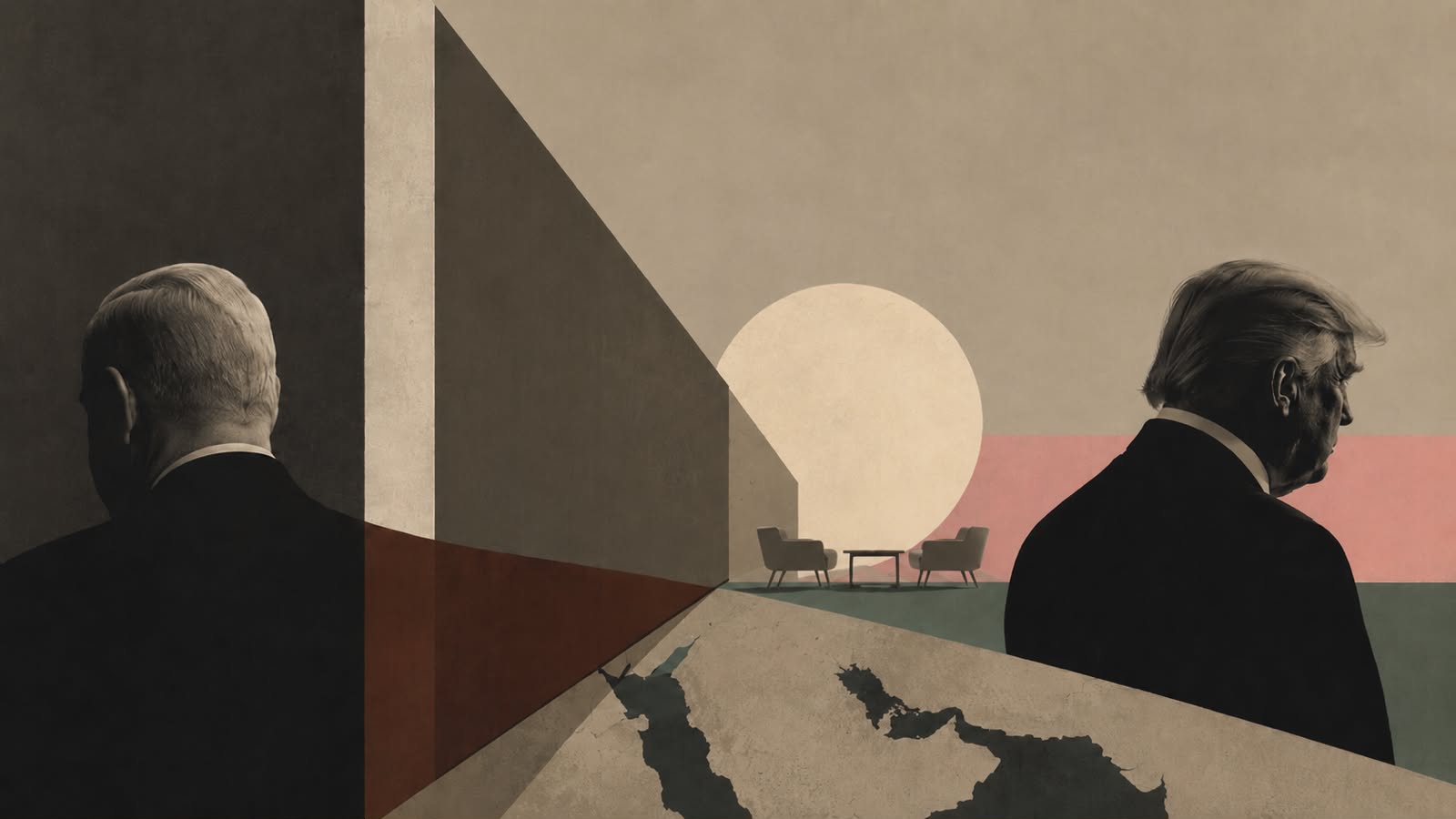
Pakistan is moving again on the Washington-Tehran track, but the signals coming from Pakistani media do not suggest that an agreement is close as much as they suggest that collapse has become costly for everyone.
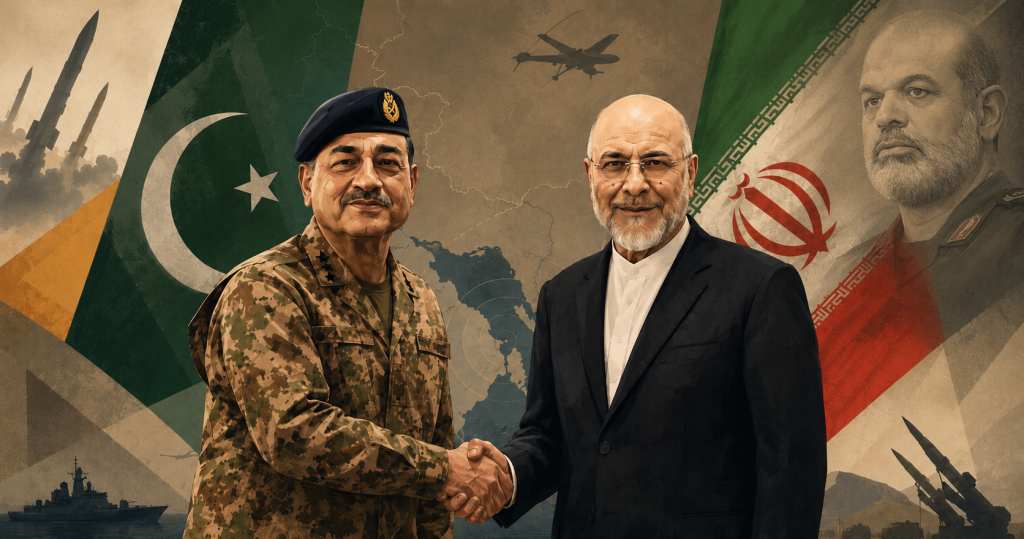
Pakistani army chief Field Marshal Asim Munir arrived in Tehran as part of ongoing mediation efforts, while Pakistani reports said his visit would address US-Iranian talks, regional security and stability, and other shared issues.
In parallel, Pakistan’s Interior Ministry announced on X that Interior Minister Syed Mohsin Naqvi held phone talks from Tehran with his Saudi counterpart Prince Abdulaziz bin Saud, discussing various aspects of bilateral cooperation and security and political coordination between the two countries.
At the same time, a Qatari delegation’s visit to Tehran emerged as part of efforts to help secure an agreement to end the war.
Details:
• Qatar does not usually enter at this timing unless the parties feel that the de-escalation window is narrowing.
• Islamabad is not presenting the visit as a breakthrough, but as part of managing an open crisis.
• Marco Rubio said Washington hopes the Pakistanis’ visit to Tehran will help move the track forward.
• The Pakistan-Saudi call from Tehran adds another signal that mediation is no longer limited to one channel, but is moving within a wider regional network aimed at containing escalation before it breaks loose.
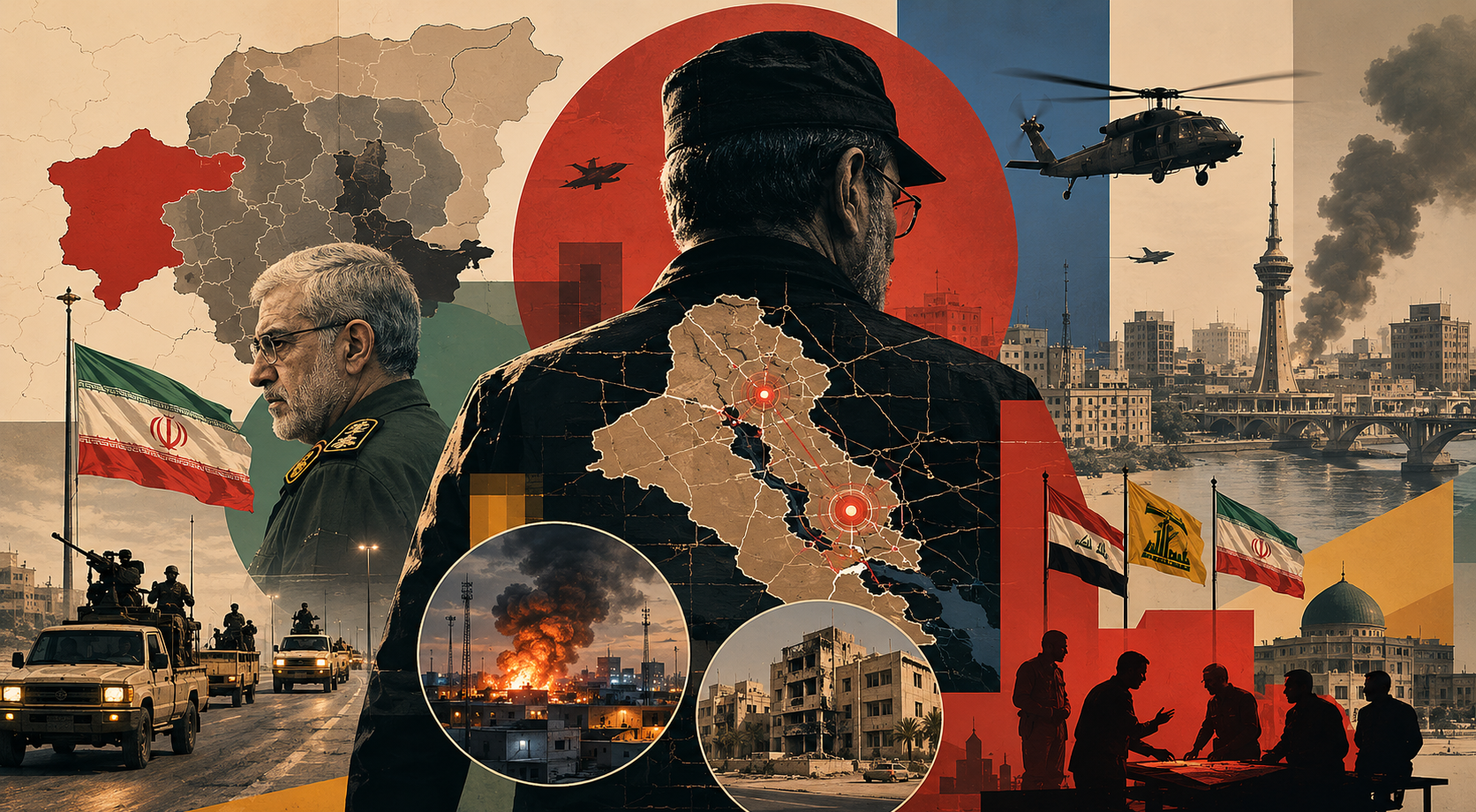
• The real dispute remains in place: Iran wants the war stopped and pressure and sanctions lifted, while Washington wants deeper restrictions on enrichment and guarantees related to freedom of navigation in the Strait of Hormuz.
• The Iranian Foreign Ministry spokesperson’s remarks on enriched uranium confirm that Tehran does not want to open the nuclear file now under US terms. In practice, Iran is saying: stop the war first, then the major files can be discussed.
• What stands out is that, in the Iranian narrative, the official mediator is still Pakistan, despite the Qatari delegation’s visit. This means Tehran wants to preserve a negotiation framework that is less provocative than direct Gulf channels, while benefiting from Qatar’s weight and ties with Washington when the crisis approaches the point of explosion.
What next?
The real test lies in whether Iran will accept a formula that stops the war without immediately giving up its major cards: highly enriched uranium, sanctions, and the Strait of Hormuz.
So far, talk of a final agreement is overstated. What actually exists is an attempt to buy political and security time.
Bottom line: we are not facing a peace agreement. We are facing a fragile test of intentions, one that may succeed temporarily only because the cost of full-scale war has become higher than the cost of slow negotiations.