The latest
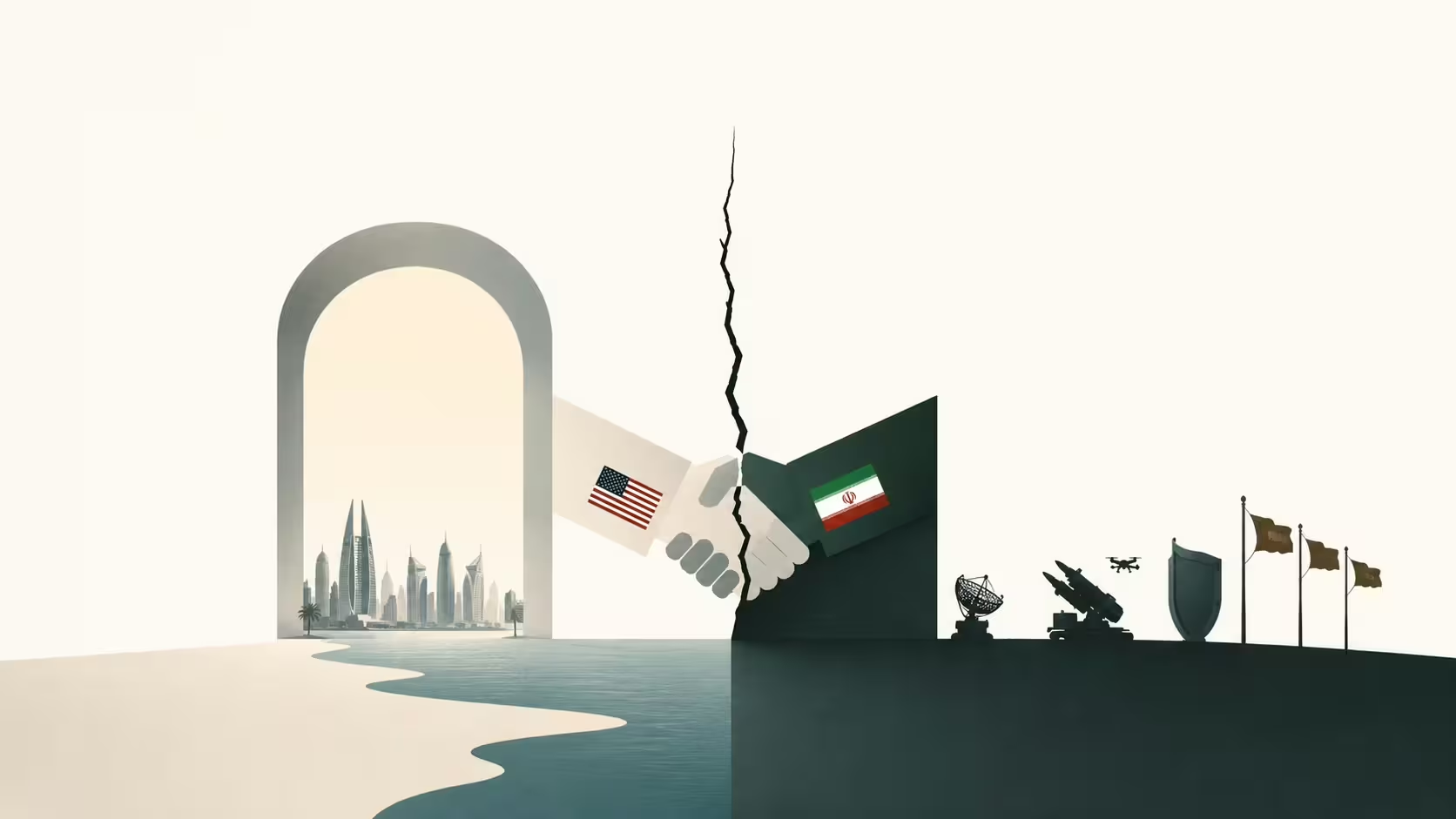
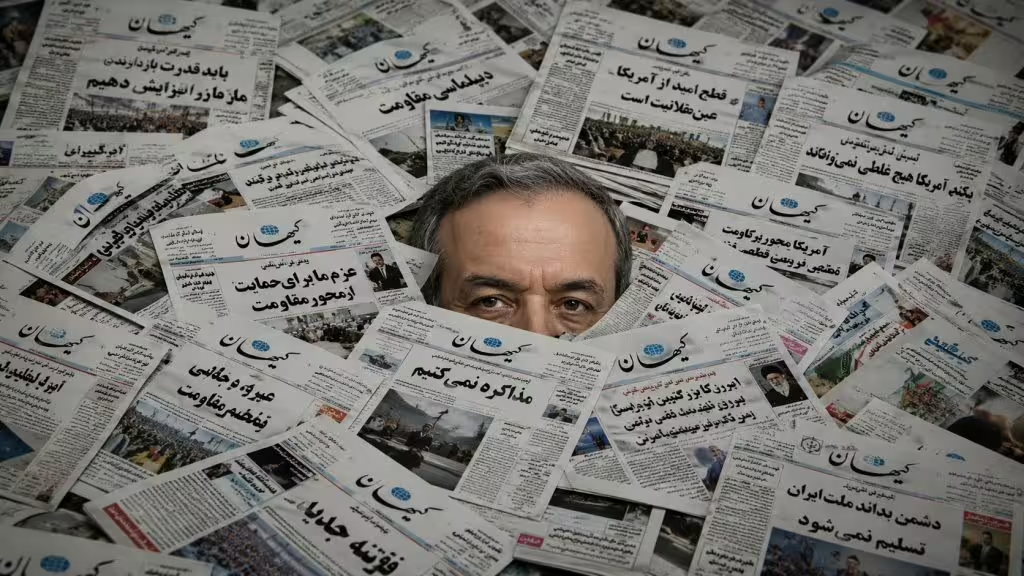
Kayhan is offering one of the clearest signs that the U.S.-Iran deal has not yet been fully settled inside Tehran.
The paper is framing the agreement as a path that could give Trump a quick political exit from the confrontation, without Iran getting what hardliners see as the full price.
For Kayhan, the problem is a deal that starts with reopening the Strait of Hormuz, calming regional fronts and easing pressure on markets, while pushing the hardest issues into later phases.
Details
• Kayhan places Hormuz at the center of the political fight. In its framing, the strait is not a technical item in a memorandum of understanding. It is a strategic pressure card that should not be spent for free.
• The paper argues that Washington wants Hormuz reopened quickly to calm oil markets, stop the war from draining U.S. options and turn military pressure into a negotiating gain.
• That is why Kayhan rejects any formula that separates the files: Hormuz now, the nuclear issue later, sanctions later and regional fronts later.
• Kayhan said trusting America is not a miscalculation, but a “ridiculous joke.” It also said any optimism about the smiles of Kushner and Witkoff is nothing more than naivety.
• In that sense, Kayhan is warning Iran’s negotiators against giving “cash concessions” in exchange for deferred U.S. promises.
• The campaign is also aimed at Iran’s domestic audience, especially the negotiating track led by Araghchi and Pezeshkian’s government.
• The paper treats the current diplomatic path as a potential threat to hardline terms, not as a guaranteed achievement for the state.
• Its implicit message is clear: do not let the agreement rescue Trump politically, and do not reopen Hormuz before extracting the full price.
Who stands behind Kayhan?
Kayhan is not just another Iranian newspaper.
Its editor-in-chief, Hossein Shariatmadari, is the supreme leader’s representative and the paper’s managing editor. That makes Kayhan’s line closer to the mood of Iran’s hardline current inside the system, especially on the United States, Israel, the nuclear file and the IRGC.
That does not mean every Kayhan article is a direct official statement from the supreme leader. But its attack on the deal is a useful signal of resistance inside Tehran’s hardline camp to any fast, phased settlement.
Why it matters
Kayhan’s position shows that the fight over the deal is not only between Washington and Tehran.
There is also a fight inside Iran over the sequencing of concessions and gains.
The negotiating team appears to want an interim deal that begins with a ceasefire and the reopening of Hormuz. Kayhan, and the hardline current behind it, want a deal that begins with major guarantees — not with relief for global markets.
That means any near-term announcement would not end the story. The real test will be how the agreement is sold inside Tehran: as a way to lock in “battlefield gains,” or as an early concession that hands Trump a political win.
What to watch
If Kayhan keeps attacking the draft, it will suggest the deal still lacks comfortable backing inside the hardline camp.
If the paper softens its tone, or starts tying the deal to the supreme leader’s conditions and “battlefield gains,” that could be a sign the system has decided to let the agreement pass..