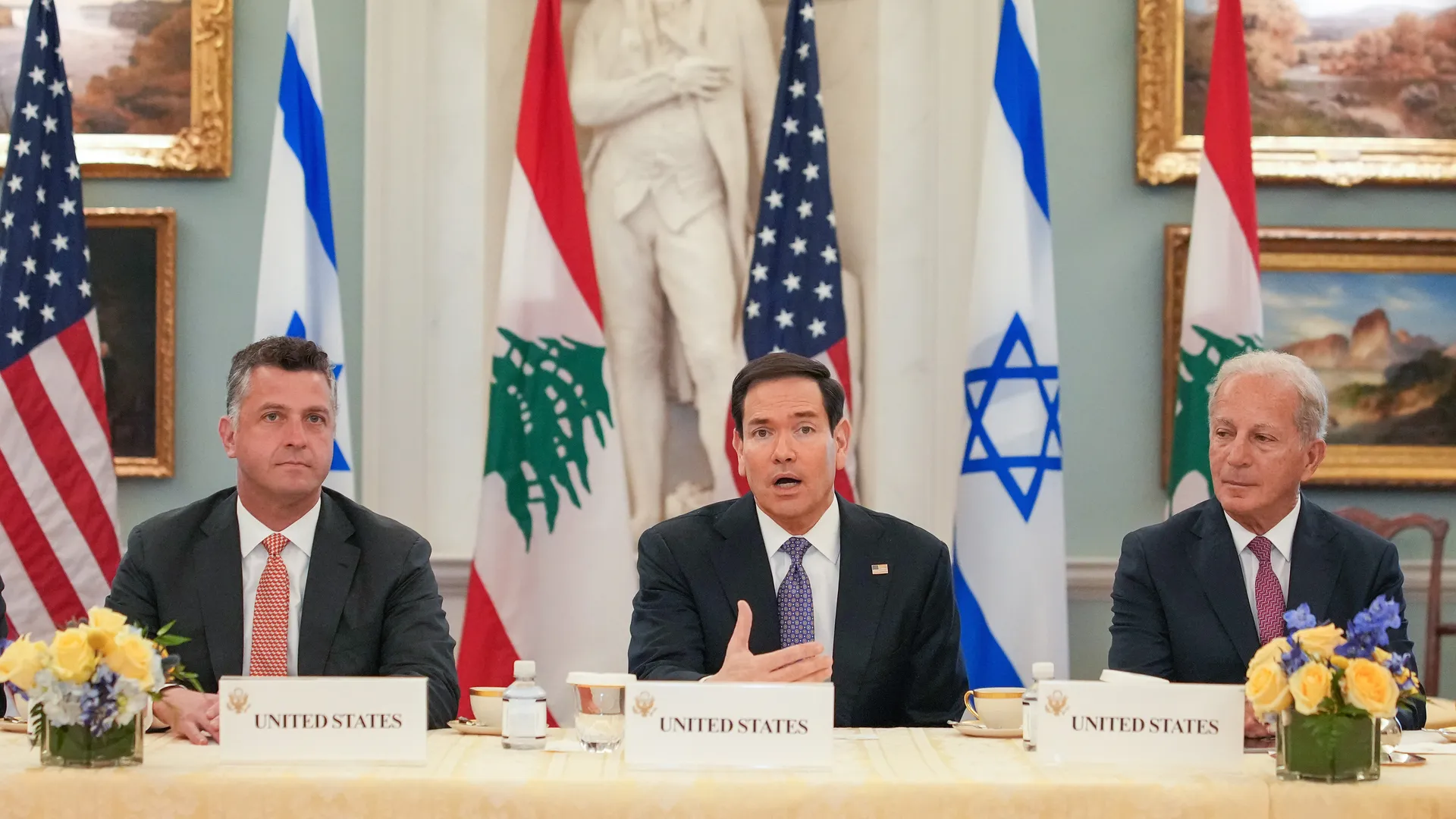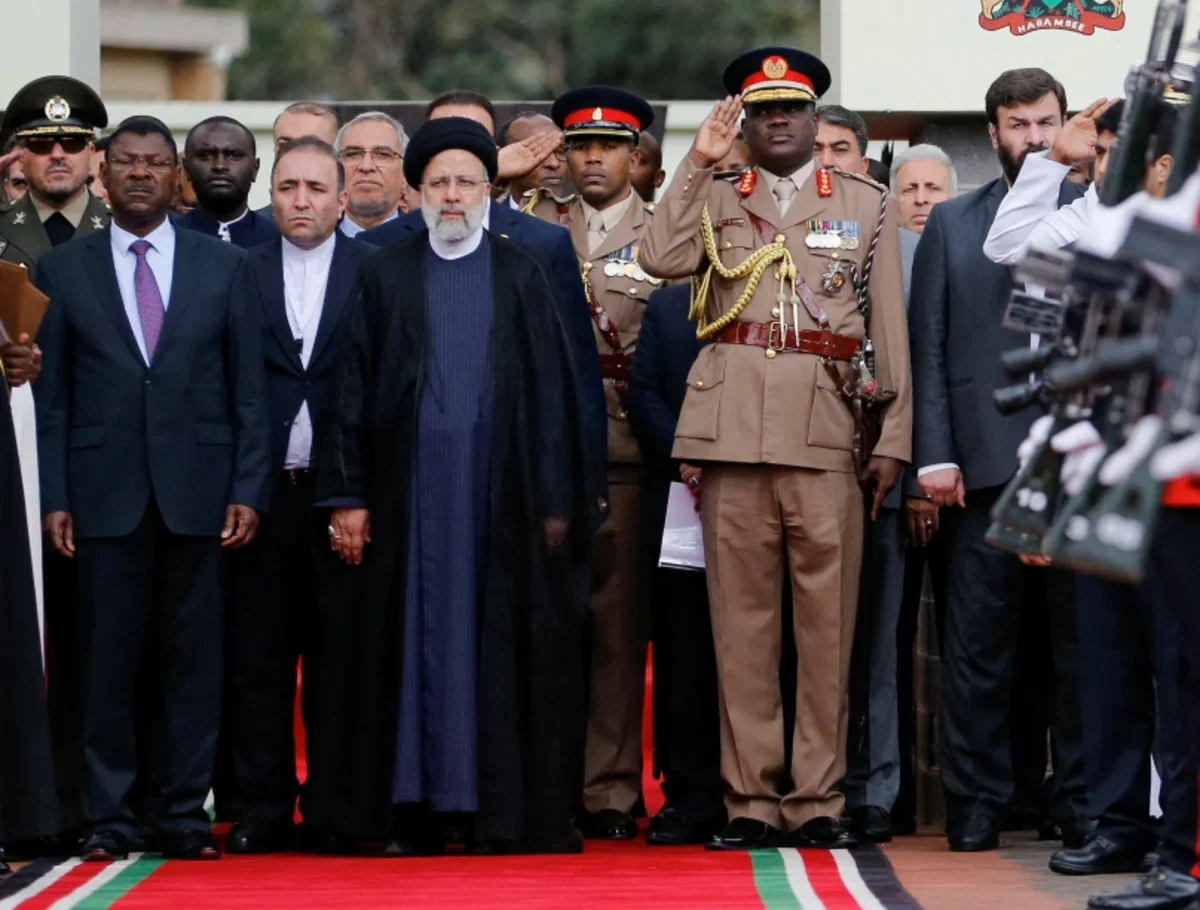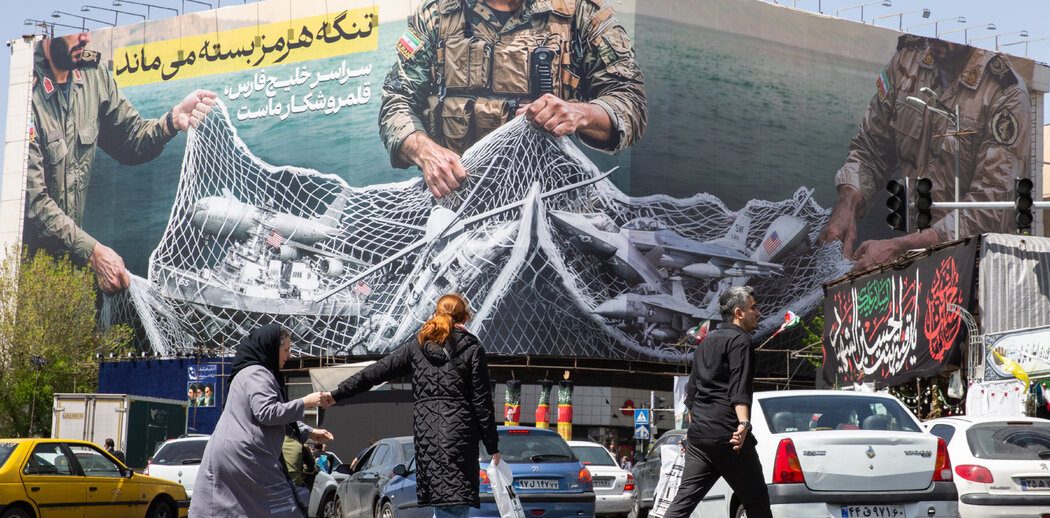

The fighting is entering an extremely sensitive phase today. Militarily, there is no decisive sign that the file is closing. Politically, Trump is trying to market the idea that the mission is nearing its end. Economically, the war is rapidly turning into a battle over energy prices and the cost of living. Reuters reported that Brent crude fell today to $92.68 a barrel after surging in the previous session to its highest level in more than three years, following Trump’s remarks that the war could end soon and that Washington was far ahead of the timetable it had expected.
But this verbal de-escalation did not remove the threat. Hours later, Trump escalated again, warning that any Iranian disruption to oil flows through Hormuz would be met with a much harsher American response, while Reuters reported that the Revolutionary Guards declared that Tehran, not Washington, would decide when the war ends, and that it would not allow the region’s oil to leave if American and Israeli strikes continued.
This contradiction between talk of a near end and a higher threat ceiling is almost the whole story today. The White House wants to calm both the market and public opinion, but it still does not have a clean exit that secures the military gain while preventing economic and political damage inside the United States. The New York Times focused on how rising gasoline prices have begun to pressure the Republicans’ economic message ahead of the fall elections, while The Wall Street Journal pointed to concern inside Trump’s circle that the war could drag on and become a political burden.
Detail
1) The American front: a near end in the rhetoric.. and domestic pressure in the background
The clearest sign today is that Washington is now reading the war through the lens of gasoline as well. Reuters reported that the Trump administration is reviewing options to lower energy prices, including easing some restrictions on Russian oil, using strategic reserves, and other measures aimed at preventing the war shock from turning into a broader cost-of-living crisis. A Reuters/Ipsos poll also showed that 67 percent of Americans expect gasoline prices to keep rising, while support for the US strikes did not exceed 29 percent.
The political meaning here is important. The issue is no longer only what has been achieved militarily inside Iran, but how many days the administration can تحمل the domestic effect of rising prices. That is why the phrase near end looks like part of war management and part of market management as well. This explains the gap between the optimistic public rhetoric and what The Wall Street Journal reported about internal advice pushing for a faster exit and a more persuasive communications plan for the public.
2) The oil front: the market calmed.. but the danger did not disappear
Today’s sharp drop in oil does not mean the crisis is over. Reuters quoted Aramco as saying that continued disruption to shipping in Hormuz would have catastrophic consequences for the global market, noting that the crisis has hit shipping and insurance, and that global oil inventories are at their lowest level in about five years. Reuters also noted that some Middle Eastern crude grades are still trading above $100, which suggests that the market may be overdoing its downward optimism if the crisis drags on.
Put more simply, the markets believed Trump’s words enough to reduce panic, but not enough to conclude that the danger is over. As long as Hormuz remains an open card, every period of calm in prices remains fragile and liable to reverse at any hour. The impact is no longer merely theoretical. Reuters has already linked the war to a tangible rise in US fuel prices and growing concern over its effect on inflation and daily spending.
3) Iran: betting on endurance, not on a quick resolution
The most important addition to today’s picture comes from Reuters’ reading of the Iranian decision-making track. The agency described Tehran’s strategy as a bet on endurance, energy disruption, and wearing down the opponent politically and economically, rather than merely mounting a direct missile response. According to this assessment, Iran is betting that the ability of the United States and Israel to continue the war is not open-ended, especially if oil and gasoline prices turn into heavy domestic pressure.
Here, the security analysis intersects with what opposition Persian platforms are publishing. Iran International, for example, is not focusing only on the scale of the strikes, but also on the idea that real decision-making inside Tehran is tilting more toward the Revolutionary Guards and the security current, while the presidency’s ability to impose a less escalatory path is shrinking. In this reading, the war is not only between Iran and its adversaries, but also within the system itself over who controls escalation and de-escalation.
4) What the Israeli press is saying today
On the Israeli side, the dominant editorial line is about widening pressure, not declaring an exit. Haaretz reported a broad wave of strikes on targets in Tehran, while The Times of Israel highlighted Trump’s threat of a harsher response if oil flows come under danger. The Jerusalem Post focused more on the economic side and on American options to lower energy costs, suggesting that Israel too is reading the war as both a firepower battle and an economic battle at the same time.
The conclusion from the Israeli press is not that the war is over, but that Israel is trying to cement the impression that it has moved from absorbing strikes to managing the tempo of attrition on the ground, in the air, and in the media narrative as well. Even so, this remains part of the Israeli narrative, not an independent final judgment on the course of the war.
5) What the Turkish press is saying today
The Turkish angle today is different. Anadolu Agency and official Turkish statements focused on the interception of a ballistic missile launched from Iran toward Turkey, and on Erdogan telling Pezeshkian that violations of Turkish airspace are unacceptable, alongside the deployment of a Patriot system in Malatya in coordination with NATO. The Turkish message is clear: Ankara does not want to enter the war, but it will not accept becoming a secondary arena for it either.
This angle adds an important meaning to the wider picture. The war is no longer just a three-way confrontation between Washington, Tel Aviv, and Tehran. It has become a regional crisis in which each side is managing its own red lines around it. Turkey here is speaking not only in the language of mediation, but in the language of preventive deterrence as well.
What next?
In the short term, the coming days are likely to remain governed by three clear tests.
The first: will Trump translate his rhetoric about a near end into an actual reduction in operations, or will the language remain merely a tool to cool the market and public opinion?
The second: will the Hormuz threat succeed in keeping oil as a political weapon without leading to a longer disruption that pushes Washington into a larger escalation?
The third: will the war remain relatively confined to Iran, Israel and the United States, or will it continue to expand into the Turkish sphere, the Gulf arenas and Lebanon, making any talk of a quick end premature?
(Analysis)
Today’s core story is not that the war is nearing its end, but that everyone is trying to impose a narrative of ending it on their own terms.
Trump wants an ending that looks like a military victory without a long economic bill, because gasoline has started competing with military success on the American domestic front. Iran wants to say it can turn its relative military weakness into a power of attrition through energy and time. Israel wants to cement the image that pressure is working and that Iran is losing the initiative. Turkey wants to shield itself from the widening geography of the conflict. And the opposition Persian platforms want to argue that Tehran’s crisis is not only about the bombing, but about the structure of power itself.
So the most accurate picture today is this: the war has shifted from the question of who is bombing more to the question of who gets to define the next phase. So far, no one has fully settled that question. The market has calmed, but Hormuz remains open to possibility. The American rhetoric has become softer, but domestic pressure inside the United States has become clearer. That is why the war now looks closer to a bargaining phase over the shape of the ending than to a truly confirmed ending.