Trump on Friday formally requested $1.5 trillion in Pentagon spending for the next fiscal year, setting up a major clash in Congress over defense, deficits and domestic spending priorities.
• The White House’s fiscal year 2027 budget includes a 44 percent increase in defense spending.
• It asks Congress to approve another $350 billion for military weapons and expansion of the defense industrial base.
• The administration said the plan would strengthen military readiness, industrial capacity and the overall health of the force.
The request also includes a 7 percent pay rise for service members, more funding for the Golden Dome missile defense system, tens of billions of dollars for shipbuilding and new investment in military artificial intelligence.
To help cover the increase, the administration proposed $73 billion in cuts to nondefense spending, equal to about 10 percent below current levels. The reductions target:
• health research,
• K-12 and higher education,
• renewable energy and climate grants,
• energy assistance for low-income households,
• community development grants.
The broader cuts include reducing funding for:
• the Environmental Protection Agency by 52 percent,
• the State Department and international programs by 30 percent,
• the Labor Department by 26 percent,
• the Agriculture Department by 19 percent.
The plan also proposes cutting $15.2 billion from renewable energy projects linked to Biden-era infrastructure law and $5 billion from National Institutes of Health programs that the administration says promote equity and inclusion-related priorities.
The Pentagon is weighing asking for as much as $200 billion more for the conflict, adding to tensions داخل the Republican Party over how far Washington is willing to go after approving tens of billions in extra defense funding last year.
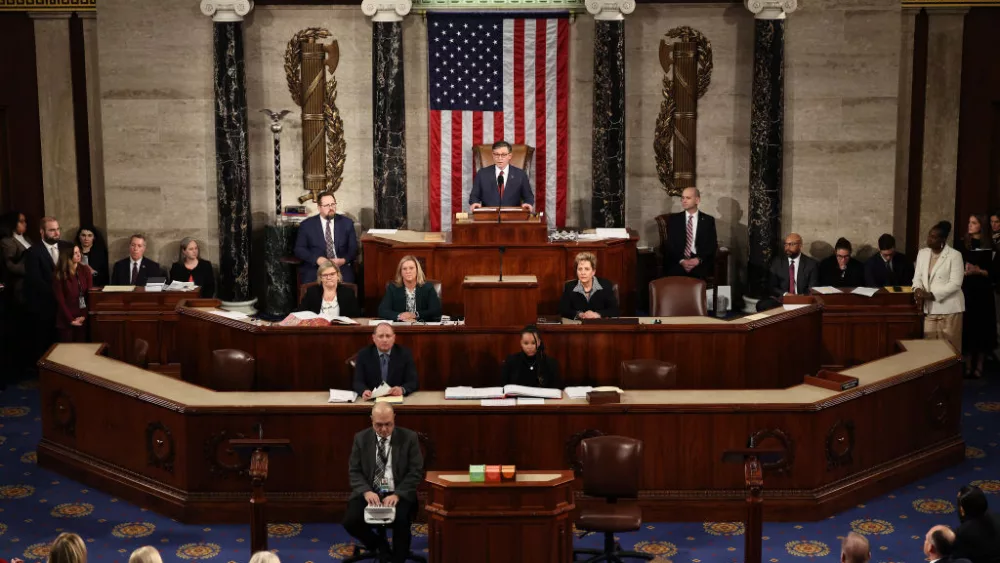
• Republican leaders quickly backed the proposal. House Speaker Mike Johnson said it would restore fiscal discipline and cut waste, while Senator Mitch McConnell welcomed what he described as significant growth in annual appropriations for the armed forces.
• By contrast, Democrats rejected both the defense increase and the domestic cuts. Senate Minority Leader Chuck Schumer said the budget would not pass.
• Outside critics argued that the nondefense cuts were unlikely to survive Congress and were mainly being used to make the military expansion appear less costly.
The Committee for a Responsible Federal Budget estimated that raising defense spending to this level would add $6.9 trillion to the national debt over the next decade once interest costs are included.
What next?
The budget now moves into the appropriations process in Congress, where many of the domestic cuts are likely to be stripped out while lawmakers debate how much of Trump’s defense expansion they are willing to fund. The Iran war bill and the deficit impact are likely to shape that fight.