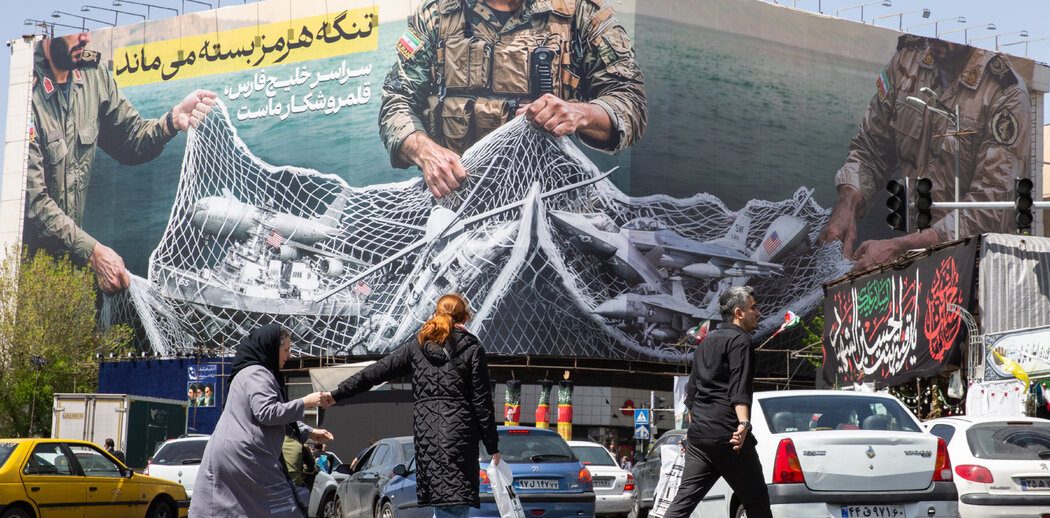
The Strait of Hormuz has turned into the most dangerous choke point in the war with Iran, as oil shipments remain disrupted and petrol prices continue to rise, leaving the Trump administration facing highly sensitive military and diplomatic decisions over how to reopen the most important maritime corridor for global energy flows.
The United States is sending more forces and military assets into the region and expanding its strikes on Iranian positions in the south in the hope of reducing Tehran’s ability to threaten shipping. But Washington is not dealing with a simple military target. It is confronting a mix of missiles, drones, mines and fast boats, in addition to the risk that the war could slide into a broader naval and ground operation.
The US administration is also pressing allies to help protect shipping, but that track appears politically less coherent after Washington sent mixed signals over who should bear the main burden of reopening and securing the strait.
Detail
The American options currently under discussion revolve around four main tracks:
• First, expanding the destruction of missiles, drones and launch platforms along Iran’s southern coast before any actual attempt to secure safe passage for ships. This option may reduce the threat, but it would not eliminate it entirely, because Iran still retains some remaining firepower.
• Second, clearing the strait of mines. This is one of the hardest paths, because the waterway is relatively narrow and shallow, and a single mine could in practice be enough to disrupt navigation or spread broad panic across the shipping sector. The clearing operation could also take weeks and would expose American sailors directly to danger.
• Third, widening the targeting of the Iranian navy and the Revolutionary Guards’ fast boats. Washington has already inflicted major damage on Iranian naval assets, but the problem of small boats and naval drones remains, especially with some of those assets positioned inside civilian ports, which raises the cost of any additional attack.
• Fourth, a more escalatory option centred on Kharg Island, Iran’s oil export hub. US strikes have weakened the island’s defences, but any attempt to seize it would in practice mean committing American forces to a landing operation or a limited occupation under direct threat from remaining Iranian forces. That is why additional Marines have been deployed to the region, even as this scenario remains highly dangerous.
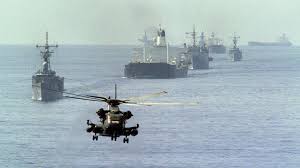
A fifth path is also emerging: direct naval escorts for oil tankers. In theory, this looks like the less escalatory option, but in practice it is among the most complicated, because it would require large numbers of destroyers, aircraft and helicopters to protect a limited number of ships in each transit, placing growing financial and military strain on the US Navy.
What’s next?
The decisive question is how high a price America is willing to pay, and how long it can sustain a naval and economic war of attrition on this scale. Any failure to secure passage quickly will keep energy prices under pressure and turn Hormuz from an oil corridor into a direct test of Trump’s wartime leadership.