Key Points
- Reuters identified over 5,000 secret Iranian Defense Ministry agencies importing weapons components despite the US naval blockade.
- One agency alone, MOD 346428, imported $2.3 billion in hardware between January 2025 and June 2026.
- The network explains how Iran keeps replenishing missile and drone arsenals during the war.
The latest:
A secret network of more than 5,000 Iranian military agencies has imported at least $2 billion in hardware, explosives and heavy-duty trucks since January 2025, evading the US naval blockade and Western sanctions, according to a Reuters investigation published October 29. The agencies all share the Tehran address of the Ministry of Defense and Armed Forces Logistics and list the same 1979 incorporation date. Reuters found no evidence any had been designated by Western governments.
Details:
- The naming pattern: Each entity carries the letters MOD, or VODJA in Farsi, followed by a five- or six-digit number spelled out longform, plus a unique 11-digit government identity number, according to Reuters. Most were actually established in 2013, as Iran struggled under sanctions that drove down crude exports and the currency.
- The flagship agency: Reuters reported that MOD 346428 imported $2.3 billion of military hardware from January 2025 through June 2026. Its overseas purchases rose from $442 million in the 12 months ending March 2023 to $988 million the following year, per customs statistics published in Iranian media, placing it among Iran’s top 10 importers.
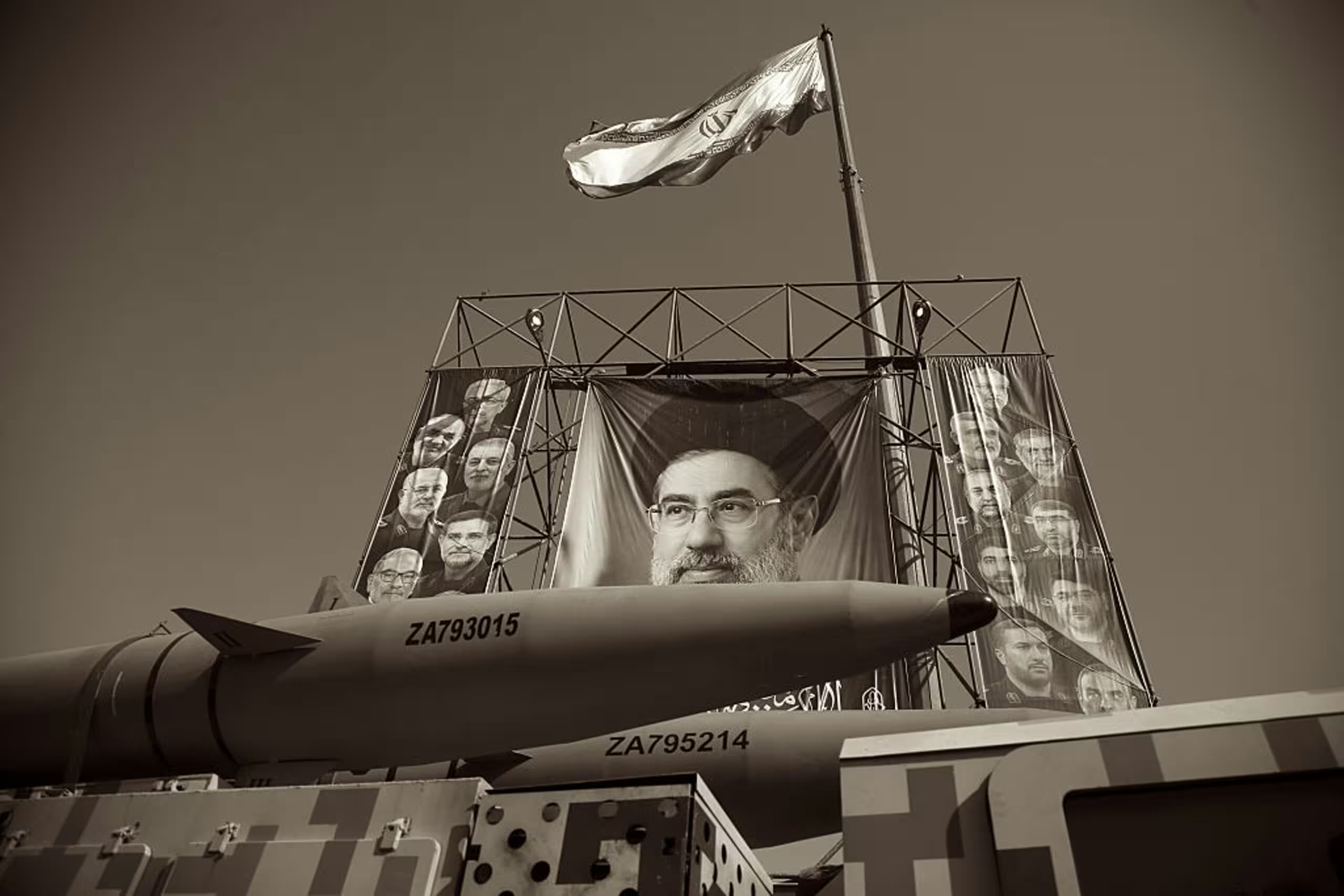
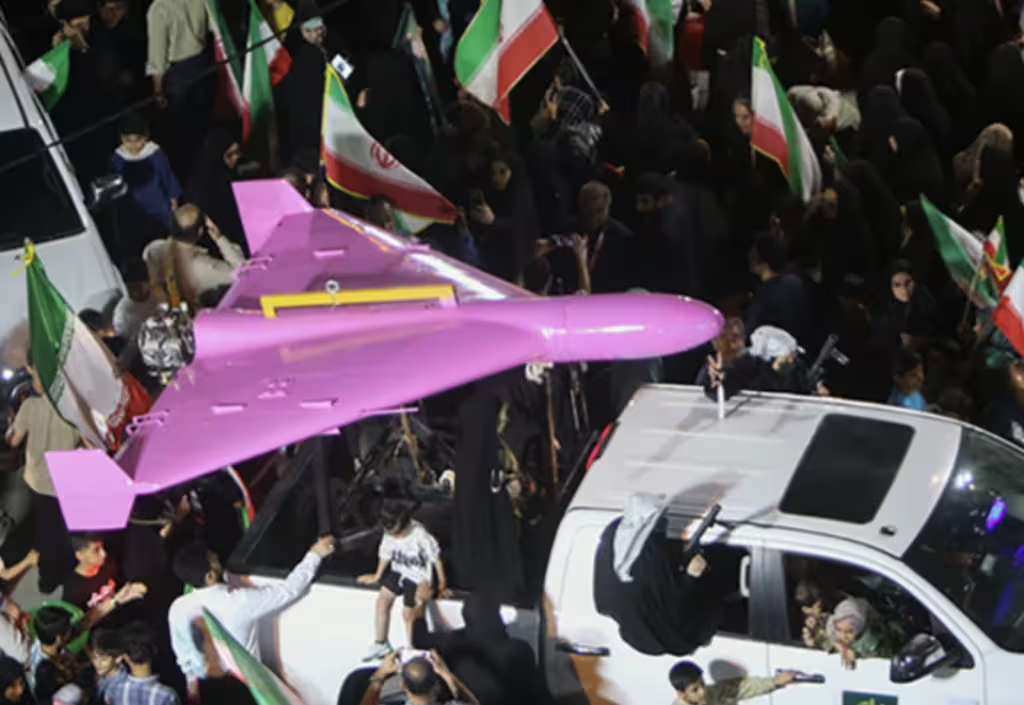
- What came in: First-half 2026 deliveries included $1.9 million of detonators, tonnes of explosives, aircraft engine parts, rocket fuel ingredients and heavy launch vehicles, the import data shows. Weapons experts told Reuters all could serve ballistic missile and Shahed-series drone production, while noting much of the material is dual-use.
- The discovery: Noam Binstok, a senior analyst at Israeli-American consultancy 240 Analytics, said he spotted the numbered entities in June 2025 while uploading hacked Bank Sepah documents. He found 36 agencies holding $1.2 billion in foreign exchange accounts at end-2024, with roughly $1.8 billion more in local currency across the network.
- The money mechanism: For 97% of shipments Reuters reviewed, transactions settled without currency transfer. Trusted frontmen in the diaspora, using cash held in foreign banks, bought goods and shipped them home, keeping money from crossing borders where it might trip sanctions alarms.
- The origins: Material reached Iran by cargo ship across the Caspian from Russia, by truck from Central Asia and by freight plane from China. Five Russian shipments delivered $7.6 million of detonators since early 2025. Hundreds of millions of dollars of goods, including $34 million in Iveco trucks, were listed as coming from Germany and elsewhere in the EU.
- The denials: China’s Foreign Ministry said it was unaware of the situation described and opposed linking regional hostilities to Beijing. Iveco said any presence of its vehicles in Iran occurred “beyond the group’s control.” Toyota said it does no business in Iran. Russia’s Defense Ministry, the White House and CENTCOM did not respond.
- Washington’s position: A Treasury spokeswoman said the United States has severed the regime’s economic lifelines and is always 10 steps ahead of evasion attempts. President Donald Trump posted on October 12 that he did not believe China and Russia were aiding Iran, saying any such support would be at a very low level.
- The Bandar Abbas blast: Between January and April 2025, MOD 346428 brought 886 tonnes of chemicals coded to include perchlorates into Bandar Abbas. Three days after the final shipment, an explosion killed at least 70 people and injured over 1,200. Reuters could not determine whether that 75-tonne consignment caused it.
- The repression link: Reuters tied the network to Brigadier General Hassan Shahvarpour, the IRGC commander in Khuzestan sanctioned by the US in 2020. A 2021 document bearing his signature requested 50 billion rials for an IRGC building be paid into an account held by MOD 424000.
Background:
Iran’s military has been under multiple US sanctions for decades. The agencies list their incorporation date as February 11, 1979, the day Ayatollah Khomeini took power. Bonyads, the quasi-governmental foundations created after the revolution from confiscated assets, control much of the economy and appear throughout the network.
Between the lines:
Peter Salisbury of Columbia University assessed the data as an industrial-scale effort to rebuild or expand Iran’s fleet, demonstrating the ecosystem’s ability to find new routes. The monthly figures support that reading: imports fell 47% to $54 million in March after the war began, then recovered to $77 million by May. The absence of any Western designation against the numbered agencies suggests the blockade targeted shipping rather than the procurement structure behind it.
What’s next
Whether Washington or the EU designates any of the numbered MOD agencies now that they have been identified, and whether import volumes continue recovering under the naval blockade that resumed in mid-July.