Key Points
- Shin Bet is investigating suspected foreign money sent to influence voting in Arab communities, Israeli media reported.
- Elections committee chairman Noam Sohlberg ordered the probe after Shin Bet chief David Zini presented information Wednesday.
- A committee source said the inquiry will not delay final results or Herzog's coalition-building step.
The latest:
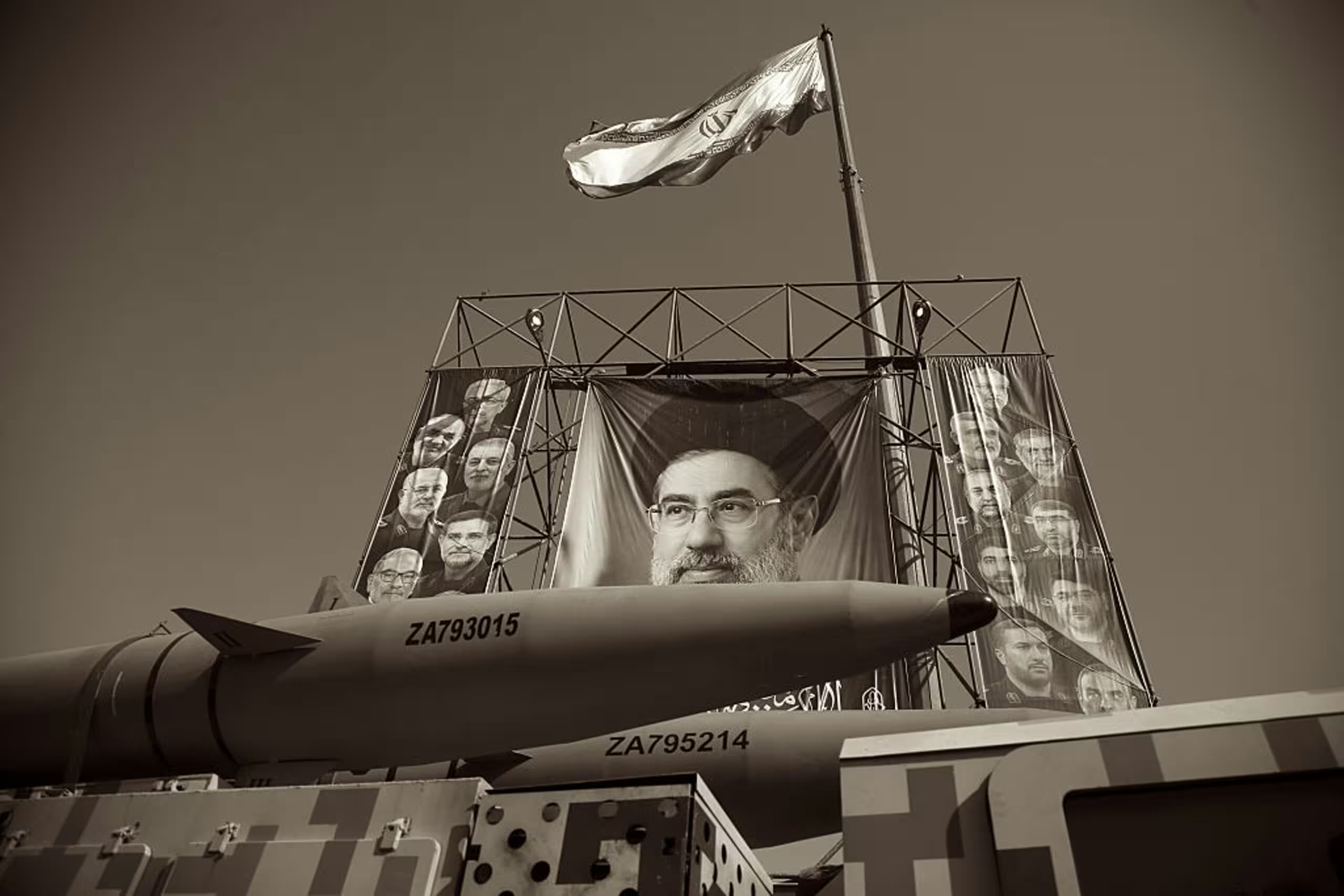
Israel’s Shin Bet is examining suspicions that foreign entities, possibly including Qatar and Turkey, moved money into Israel to influence voting in Arab communities. A Central Elections Committee source told The Jerusalem Post the investigation will not delay publication of final results, nor block President Isaac Herzog from tasking a party leader with forming a government. Asked about a repeat election, the source said the question was premature.
Details:
- The directive: In a letter dated Wednesday and published Thursday, committee chairman Supreme Court Justice Noam Sohlberg described the suspicions put to him as serious but said he could not assess their merits. He instructed Shin Bet chief David Zini to use the agency’s powers to substantiate or refute them, and requested findings within the coming week, citing the timetable for election appeals. The letter named no countries or parties.
- The money trail: Channel 13 reported that investigators are examining whether funds passed through currency exchangers and local institutions along routes previously used to transfer terrorist funds, allegedly to encourage voting in Arab communities by unlawful means. Israeli media identified Qatar and Turkey as possible sources. The recipients and use of the money remain under investigation.
- The timeline: The inquiry was underway before Tuesday’s vote. Visiting the elections committee that day, Zini publicly called the election secure and properly supervised, saying some were trying to cause harm but authorities were succeeding. He presented information to Sohlberg on Wednesday, then met Prime Minister Benjamin Netanyahu that evening at his own initiative.
- A withheld warning: N12 News reported that the Shin Bet held intelligence on potential illegal money transfers but did not pass it to the elections committee, including Sohlberg. The material Zini eventually presented Wednesday night was described as “extraordinary in its seriousness.”
- The bribery case: Police said Thursday that four more men were arrested on suspicion of election bribery involving payments for Ra’am votes, and are being questioned by Lahav 433’s National Fraud Squad. Three residents of southern Israel were arrested on Election Day, after which the case moved to the unit. Searches turned up cash and Ra’am voting slips.
- Police pushback: Police rejected Likud’s claim that the election was stolen, saying Election Day saw relatively few integrity incidents and that they had no investigative or intelligence basis for the allegations put to them, while pledging to pursue suspected criminal offenses. Thursday’s statement drew no link between the bribery case and the suspected foreign funding.
- Likud’s push: Likud alleged Wednesday that Arab parties stole the election through bribery, intimidation and fraud, and said it was submitting hundreds of testimonies to police, the Shin Bet and the committee. A Likud lawyer told the Post the party will seek invalidation of results at polling stations where it suspects irregularities, and urged Zionist parties not to cooperate with Ra’am or the Joint List.
- The rebuttals: Balad chairman Sami Abu Shehadeh called the accusations a racist blood libel and said Netanyahu and his allies were laying ground to reject the results. Democrats chairman Yair Golan backed investigating genuine suspicions while accusing Netanyahu of delegitimizing Arab voters. Yashar chairman Gadi Eisenkot urged thorough examination without delaying the 26th Knesset’s swearing-in.
- The legal route: Under Section 86 of the Knesset Elections Law, suspicions of unlawful funding trigger no automatic cancellation. An appeal must be filed with the Jerusalem District Court within 14 days of results publication and is heard by three judges, with a central requirement that the alleged irregularity could have affected the outcome.
- Possible remedies: The court may annul the vote nationwide or at a single polling station and order a rerun, but can instead correct the allocation of votes between lists or rule that one candidate was elected in place of another. An appeal does not suspend the Knesset’s work or invalidate decisions it has already taken.
Background:
Israel voted Tuesday. The Central Elections Committee is chaired by a Supreme Court justice and oversees results publication, after which the president tasks a party leader with forming a coalition. Final results open the 14-day window for court challenges.
Between the lines:
Three tracks are running at once: an intelligence inquiry into foreign money, a criminal bribery case over Ra’am slips, and Likud’s bid to void specific polling stations. None has produced a finding that results were unlawfully altered. The committee source’s framing — that any impact on seat distribution must first be examined — sets the same bar the legal route sets.
What’s next
Sohlberg asked Zini for available findings during the coming week. Watch for publication of final results, which starts the 14-day clock for appeals to the Jerusalem District Court, and for Herzog tasking a party leader with forming a coalition.