The latest:
Israel’s Shin Bet held intelligence on suspected illegal money transfers aimed at influencing the election before voting day, two officials familiar with the matter said, yet sources at the Central Elections Committee said they were never informed. The agency has declined to comment on the probe, now ordered by committee chairman Justice Noam Solberg into suspected foreign funding and electoral bribery.
Details:
- The intelligence gap: Two officials familiar with the file said Shin Bet knew of possible illegal transfers before the vote. Committee sources said the agency attended every pre-election situation assessment and at no stage passed on the suspicions or the underlying intelligence, which would have triggered real-time intervention.
- The unanswered question: One source questioned how the agency could hold credible intelligence before election day without moving to act or opening an investigation beforehand. Shin Bet sources said a probe had in fact begun days earlier, but the agency waited to confirm the alleged bribery before escalating.
- Solberg’s order: In a Wednesday letter published Thursday, Solberg instructed Shin Bet chief David Zini to use the agency’s powers to confirm or refute suspicions of unlawful foreign funding by actors working against Israeli interests. He said he could not vouch for the suspicions and named no state or party.
- The one-week clock: Solberg asked Zini to report findings within the coming week, citing the statutory timetable for appeals. Under Section 86 of the Knesset Elections Law, challenges go to the Jerusalem District Court within 14 days of the results, before a three-judge panel.
- The committee’s position: Acting director general Dean Livni said the elections were conducted lawfully and that there is no basis for claims of systematic violation of election integrity. He said the material shown to Solberg was highly classified and that no presidium meeting was warranted while the probe continues.
- Zini’s election-day words: At the committee’s monitoring center on Tuesday, Zini publicly called the elections safe, fair and closely supervised, saying some actors were trying to cause harm but authorities were succeeding. He met Prime Minister Benjamin Netanyahu on Wednesday evening, on his own initiative, to brief him on suspected foreign interference.
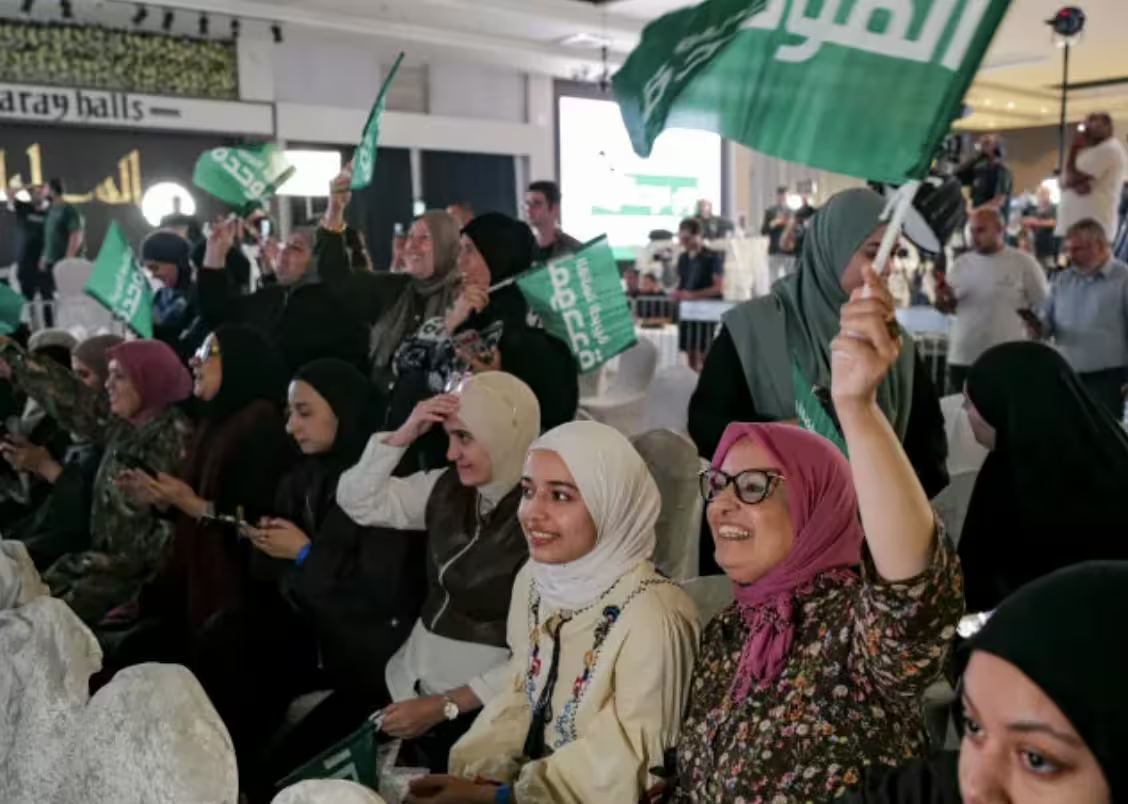
- Qatar and Turkey: Israeli media pointed to Qatar and Turkey as possible funding sources. Channel 13 reported investigators are examining whether money moved through currency exchanges and local institutions along routes previously used for terror financing, to boost turnout in Arab communities by unlawful means.
- A senior pushback: A senior non-political source familiar with the probe said the affair is far smaller than portrayed, adding it had crossed an evidentiary threshold requiring investigation. The source faulted Solberg’s handling, arguing the letter was an overstatement that Netanyahu is exploiting, and urged a public clarification.
- The separate bribery case: Police said four more suspects were arrested Thursday over alleged electoral bribery, after three southern residents were detained on election day. Searches turned up cash and Ra’am ballots. The Thursday statement drew no link between that case and the suspected foreign funding.
- Likud and the denial: Likud claimed Arab parties stole the election through bribery and intimidation and submitted material to the committee. Police rejected the broader fraud claim, saying election day saw relatively few integrity incidents and they hold no intelligence or investigative evidence supporting it.
Background:
Shin Bet is responsible for safeguarding Israeli election integrity. The agency has no structured spokesperson system, and officials say it has operated in an unmanaged fashion since Zini took office, leaving the public without an official account of the probe’s nature.
Between the lines:
Three separate tracks are being merged in public debate: the foreign-funding intelligence, the Ra’am bribery arrests, and Likud’s fraud claim that police have rejected. None of them, on the facts stated so far, establishes that seats were unlawfully altered. The gap between Zini’s election-day assurance and the intelligence his agency already held is what gives political actors room to read the affair however they choose.
What’s next
Zini’s findings are due to Solberg within a week. Watch the final results announcement and the 14-day window for appeals to the Jerusalem District Court.