The latest:
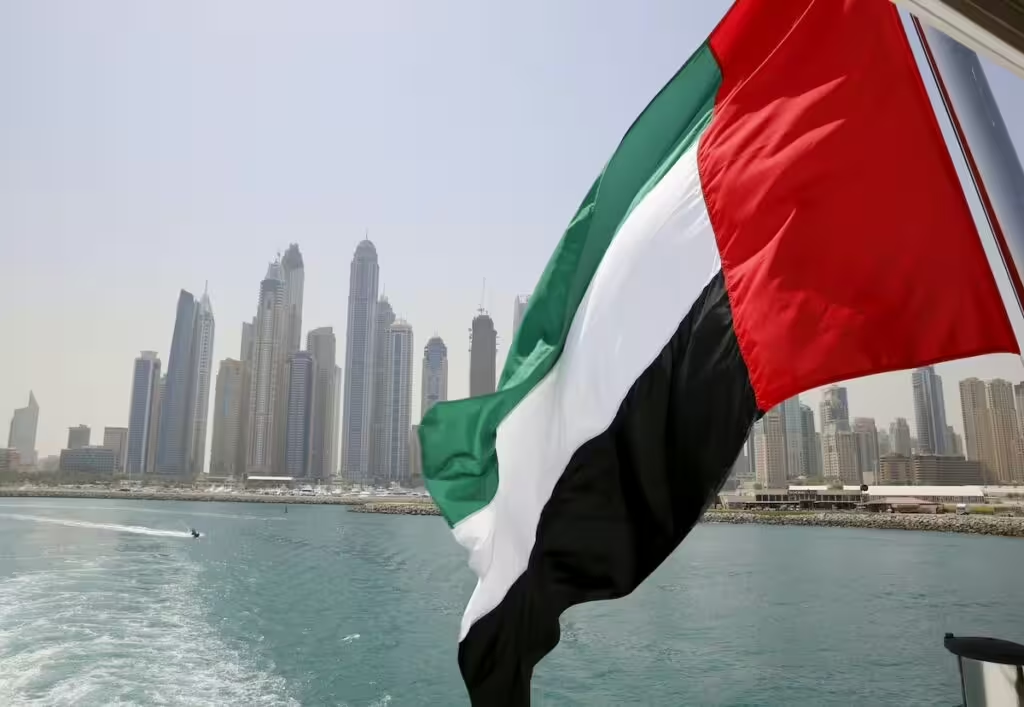
Eight men, among them senior Sudanese military and intelligence figures, were sentenced to life in prison by the Abu Dhabi Federal Court of Appeal for running an illegal weapons and ammunition network supplying the Sudanese army, state news agency WAM reported. The court also ordered seized ammunition confiscated and the convicts deported once their sentences are served.
Details:
- Those sentenced: According to WAM, life terms went to Rashed Omar Abdelqader Ali, Salah Abdullah Mohamed Saleh known as Salah Gosh, Ahmed Abdullah known as Abdullah Khalafallah, Ahmed Rabie Sayed Ahmed, Mohamed Fath al-Beik, Yasser Abdelrahman al-Atta, Osman al-Zubeir and Maher Abdeljalil.
- Money-laundering counts: Three-year terms and 1 million dirham fines each went to Rashed Omar, Gosh, Khalafallah, Maher Abdeljalil, Osman Babiker, Khaled Youssef Mukhtar and Ahmed Khalafallah Abdullah, with 1.545 million dirhams of seized funds confiscated.
- Companies punished: Six firms were fined 1 million dirhams each for money laundering, with licences cancelled and frozen proceeds confiscated: Rashed Omar Brokerage, Portex Trade Limited, Abu Lara Electronics Trading, Yellow Sand Trading, Wardat al-Masarra Trading and Sudamina Free Zone.
- How the shipment moved: The court found the defendants traded arms without any licence and brought Geranov-type ammunition into the UAE for onward air transport to Port Sudan, after the aircraft’s cargo was declared as medical tools and supplies rather than its actual contents.
- Al-Atta’s role: The court said Yasser al-Atta, assistant to the commander-in-chief of Sudan’s armed forces and responsible for armament, ordered the purchase of the weapons and obtained the landing permit at Port Sudan airport, knowing the deal was executed on UAE soil.
- The money trail: Osman al-Zubeir, the army finance official overseeing armament needs and supplier payments, paid for the deals and routed funds to Maher Abdeljalil through the hawala system, the court found. Abdeljalil handed Rashed Omar about 8 million dirhams in cash inside the UAE.
- Intermediaries: Mohamed Fath al-Beik, a former adviser to Sudan’s finance minister, connected Rashed Omar to al-Zubeir and Ahmed Rabie and helped register his firm as an army supplier despite no arms-trade activity, receiving 146,000 dirhams. Khaled Youssef Mukhtar, Gosh’s former intelligence office director, collected Gosh’s commission.
- Meetings and payments: The ruling said Ahmed Rabie secured Sudanese army leadership approvals and attended meetings at Gosh’s home with Khalafallah and Rashed Omar to follow up the first deal. Khalafallah’s brother Ahmed received 1.85 million dirhams from that deal’s value.
- Acquittals: Mubarak Ali al-Sheikh and Musab Awad al-Karim Hassan were cleared of all charges, according to WAM. Attorney General Hamad Saif al-Shamsi had referred the defendants to trial after technical and financial investigations exposed the network.
- Court’s reasoning: Judges concluded the deals were struck during Sudan’s armed conflict and served one of its parties, and that using Emirati territory and its financial system could damage the UAE’s international relations and endanger its interests given international arms-supply restrictions.
Background:
Sudan’s army has been at war with the Rapid Support Forces since April 2023. Al-Atta is one of the army’s most senior commanders; Gosh headed Sudan’s intelligence service under Omar al-Bashir.
Between the lines:
The verdict places two of the army’s most prominent figures — its armament chief and its finance official — at the centre of a trafficking case tried on Emirati soil. The court’s framing of the arms-supply restrictions and its reference to damage to the UAE’s international standing positions the ruling as a defence of Abu Dhabi’s own conduct in a war where it has faced persistent accusations.
What’s next
Whether the Sudanese army or the convicted officials publicly respond, and whether the sentences are challenged further. Deportation orders take effect only after the prison terms are served.