Key Points
- Long overnight queues have spread as refinery damage and a US naval blockade squeeze gasoline supplies.
- Tehran resists broad price increases after a 2019 fuel rise triggered mass protests.
- The shortage deepens an 80 percent inflation shock and tests the government’s subsidy system.
The latest
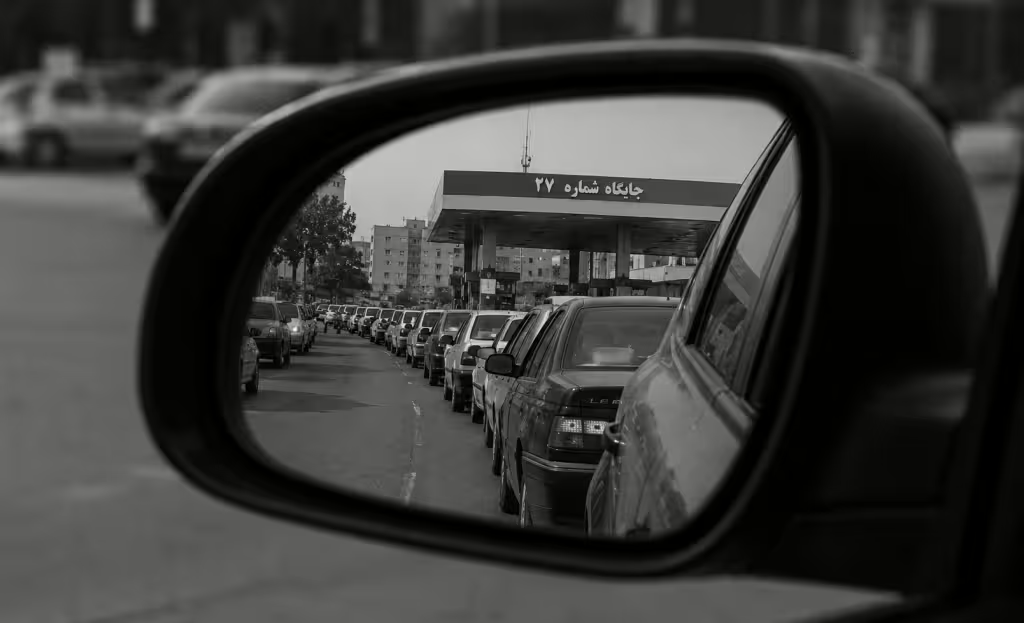
Iran is confronting a widening gasoline shortage, with motorists queueing for hours at stations in Tehran, Isfahan, Bandar Abbas and Mashhad, sometimes until dawn. War damage has reduced refinery output, while the US blockade of southern ports has largely halted imports previously used to cover a supply gap exceeding one-tenth of daily consumption. The crisis leaves Tehran balancing costly subsidies against price increases that officials fear could ignite renewed protests.
Details
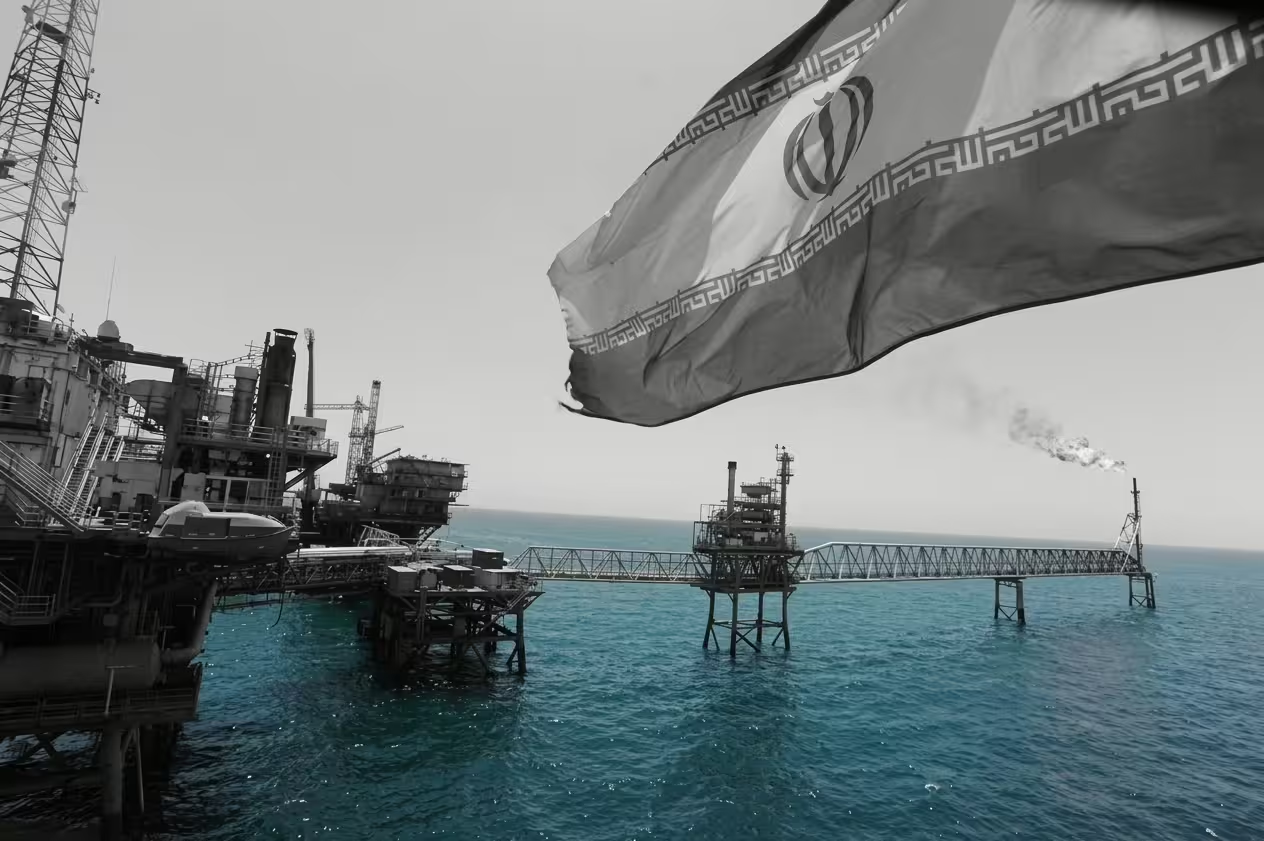
- Supply gap: Iran’s crude oil wealth has not translated into enough refining capacity to satisfy domestic gasoline demand. Production has fallen since the US-Israeli war damaged refineries, while recent quota reductions have pushed more motorists toward unsubsidised fuel available through fewer pumps.
- Price dilemma: Gasoline is sold through subsidised tiers and consumption quotas, with some supplies priced below one US cent per litre at current exchange rates. President Masoud Pezeshkian pledged to preserve the cheapest tier but said consumption above a set level could cost twice as much.
- Protest precedent: A sharp gasoline price increase triggered mass protests in 2019 that authorities suppressed with violence. Economic grievances also drove nationwide demonstrations earlier this year. Parliament speaker Mohammad Bagher Ghalibaf supports lower consumption but called raising prices a mistake that Iran’s “enemy” could exploit.
- Household strain: The war is entering its seventh month as annual inflation reaches 80 percent, according to the central bank. Iranians are also facing widespread job losses linked partly to the fighting and a government-imposed internet shutdown, while electricity demand exceeds infrastructure capacity.
- Hormuz pressure: Washington says its blockade is intended partly to pressure Tehran over the Strait of Hormuz, effectively closed by Iranian forces early in the war. US Central Command said it had redirected 59 commercial vessels, disabled three and boarded two while enforcing the operation.
- Military signals: US Defense Secretary Pete Hegseth said rotating warships could sustain the blockade indefinitely, with the USS George Washington expected to replace the USS Abraham Lincoln. Iranian commanders, meanwhile, maintained that Hormuz remained closed and signalled readiness for powerful offensive operations if Iran were attacked again.
Background
Iran has long used cheap energy to cushion households from soaring prices, but the policy has encouraged profitable fuel smuggling into neighbouring countries. Inadequate public transport, including in major cities, also keeps residents dependent on private cars and taxis, meaning quota restructuring would redistribute the shortage rather than resolve it.
What’s next
The next concrete tests are Tehran’s decision on higher-tier gasoline prices and quotas, and the planned US carrier rotation. Vessel movements through Hormuz and the availability of unsubsidised pumps will indicate whether supply pressure is easing or intensifying.