The latest
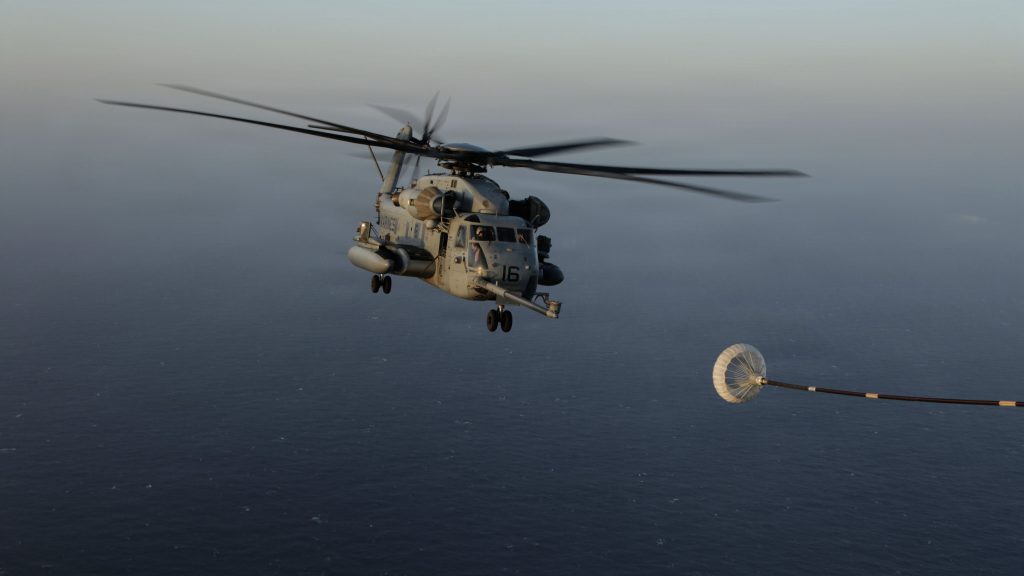
The United States carried out a new wave of airstrikes against military targets inside Iran early Thursday, with U.S. Central Command (CENTCOM) saying the operation targeted command centers, missile and drone facilities, and coastal surveillance sites in response to Iranian attacks on American forces in the Middle East, marking the latest escalation in the direct conflict between Washington and Tehran.
Details
- The strikes: CENTCOM said the operation targeted command centers, missile and drone facilities, and naval capabilities to reduce threats to U.S. forces, commercial shipping, and Gulf partners.
- Iranian escalation: The strikes followed Iranian missile launches toward bases used by U.S. forces in Jordan, while Washington accused Iran-backed groups of carrying out more than 30 drone attacks in recent days.
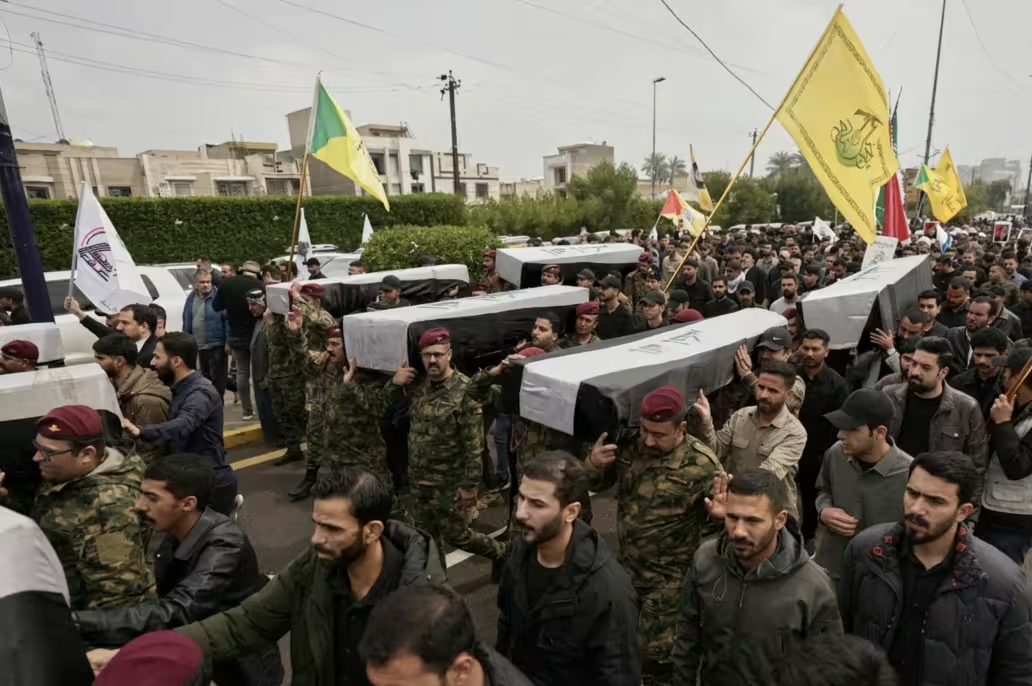
- Iraq front: The United States and Saudi Arabia struck Iran-aligned militias in Iraq. A U.S. official said about 20 Iranian military and technical advisers were killed, while Iraqi factions confirmed casualties and Baghdad condemned the strikes as “unacceptable aggression.”
- Regional spillover: A U.S.-owned LNG tanker caught fire at an Egyptian port after what maritime security firms described as a suspected drone attack. President Donald Trump suggested Iran was responsible but provided no further details.
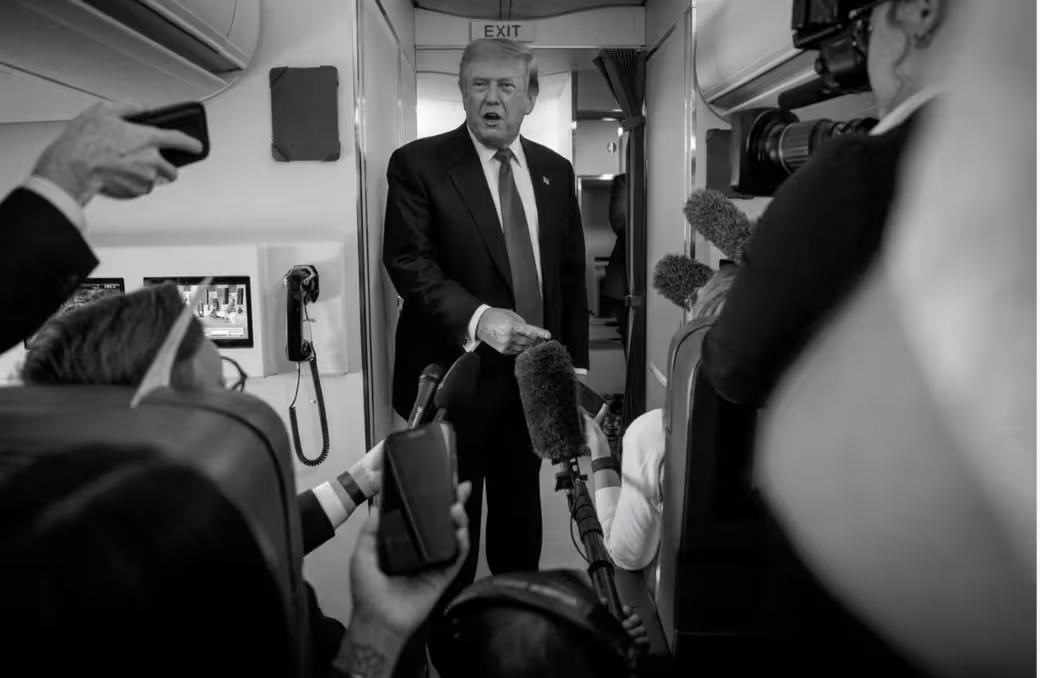
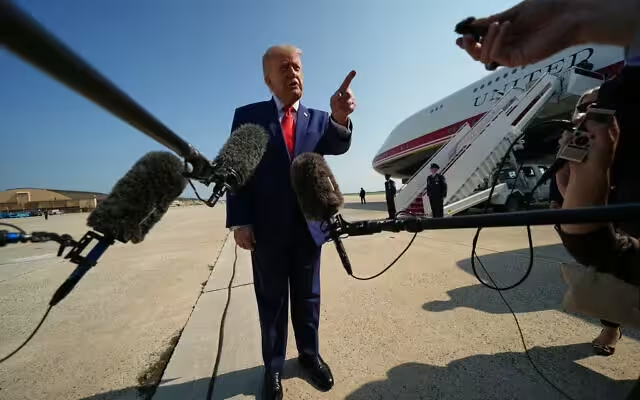
- Trump’s warning: Trump said the United States would respond “very strongly” to attacks on its forces while also signaling he wanted to avoid a wider war because of its humanitarian costs.
Background
The latest escalation marks the most serious direct U.S.-Iran military confrontation since the collapse of the recent ceasefire. It comes as Iran-backed groups expand operations in Iraq, Lebanon, and Jordan, while Washington seeks to secure shipping through the Strait of Hormuz. Officials and analysts say Iran is attempting to widen the battlefield to raise the cost of U.S. military action, even as the Trump administration tries to preserve a path back to diplomacy.
#### Between the lines
The strikes suggest Washington has shifted from containing the conflict to directly responding to Iranian attacks while still trying to avoid a full-scale military campaign. Iran, meanwhile, appears to be relying on its regional network of allies to increase pressure on U.S. forces and global energy routes.
#### What to watch
Attention will now focus on whether Iran or its regional allies launch further retaliatory attacks, whether Washington expands its military campaign, the impact on shipping through the Strait of Hormuz and global oil prices, and whether mediation efforts led by Qatar and Pakistan can revive negotiations.