The Story
Escalation is no longer merely a pressure tactic preceding negotiations; it has become a means of reshaping their terms. Iran’s surprise attack ended a brief battlefield pause that had calmed energy markets and demonstrated Tehran’s willingness to test Washington’s capacity to retaliate without triggering a broader war. Trump, meanwhile, combined his promise of a punishing response with an insistence that talks could continue, seeking to preserve deterrence without eliminating the diplomatic exit.
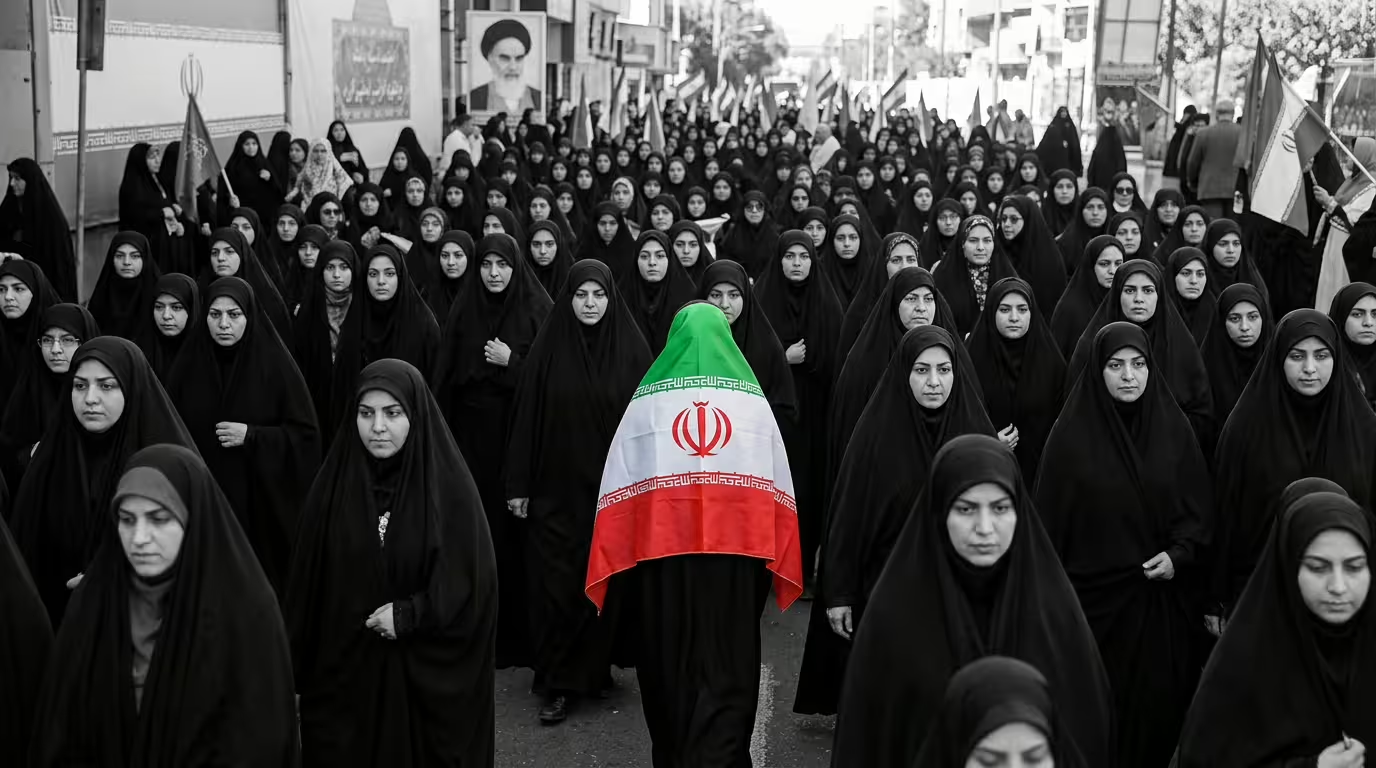
Iran’s decision reflects the Revolutionary Guard’s expanding influence over the country’s leadership and its growing ability to set the confrontation’s tempo. Analysts argue that the military establishment has become more comfortable with an extended conflict that strengthens its domestic authority and postpones scrutiny of economic hardship and political repression. Greater autonomy for regional commanders offers flexibility and resilience, but it also makes Iranian military behavior less predictable and increases the danger of miscalculation.
At the same time, the battlefield is expanding. The United States and Saudi Arabia struck Iran-aligned groups in Iraq following attacks on American military positions and Saudi energy infrastructure. The Houthis have entered the confrontation by targeting ports and facilities around the Red Sea, while the Strait of Hormuz remains effectively closed. What began as a bilateral conflict is becoming an interconnected network of fronts in which a limited strike can move oil prices or draw additional states into combat.
Details
- The Iranian attack: A senior Jordanian official said air defenses intercepted five missiles over the eastern desert, causing no casualties or material damage.
- The declared targets: The Revolutionary Guard said it targeted a US base and Central Command’s regional headquarters in Jordan in response to what it called American aggression.
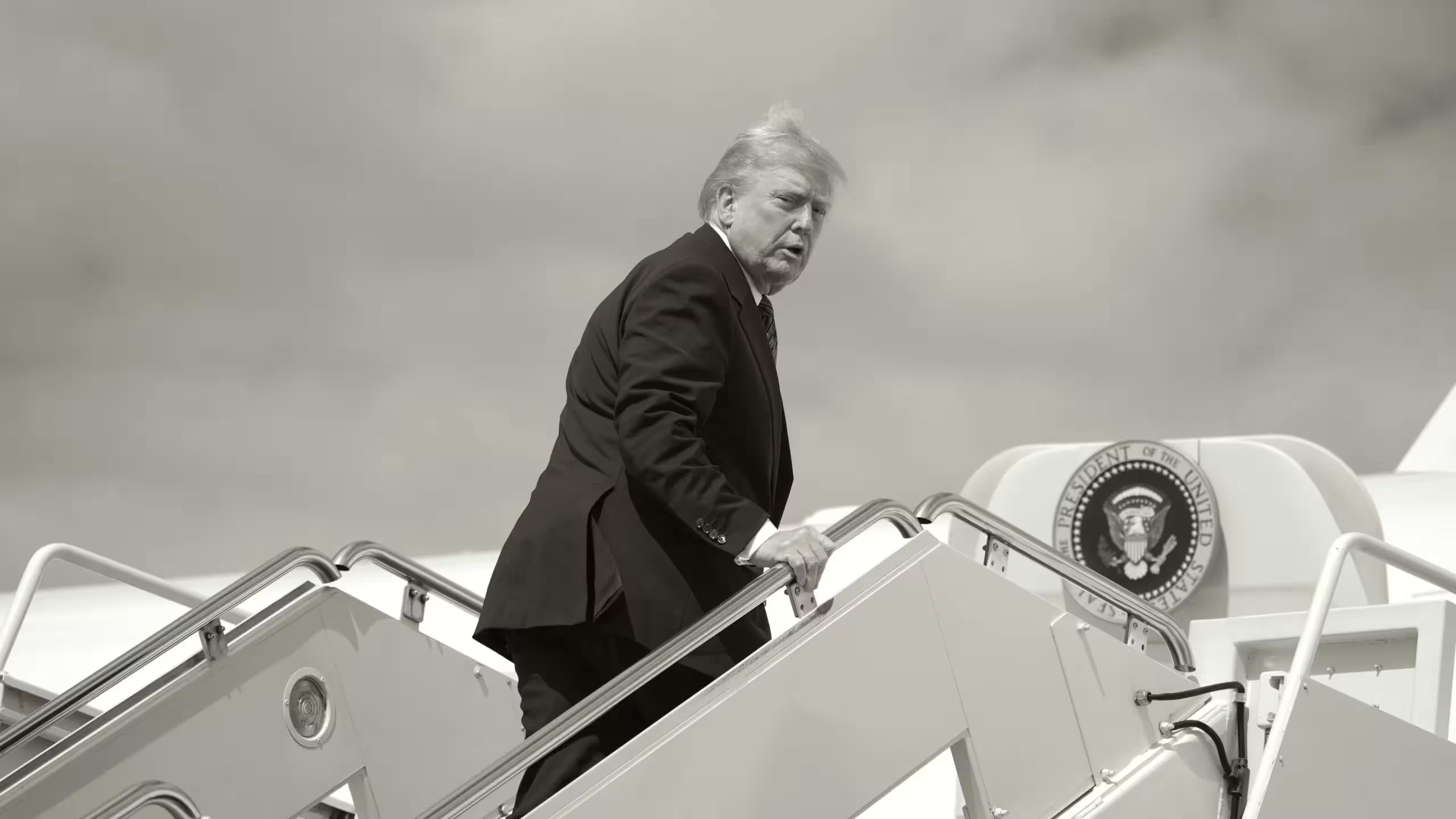
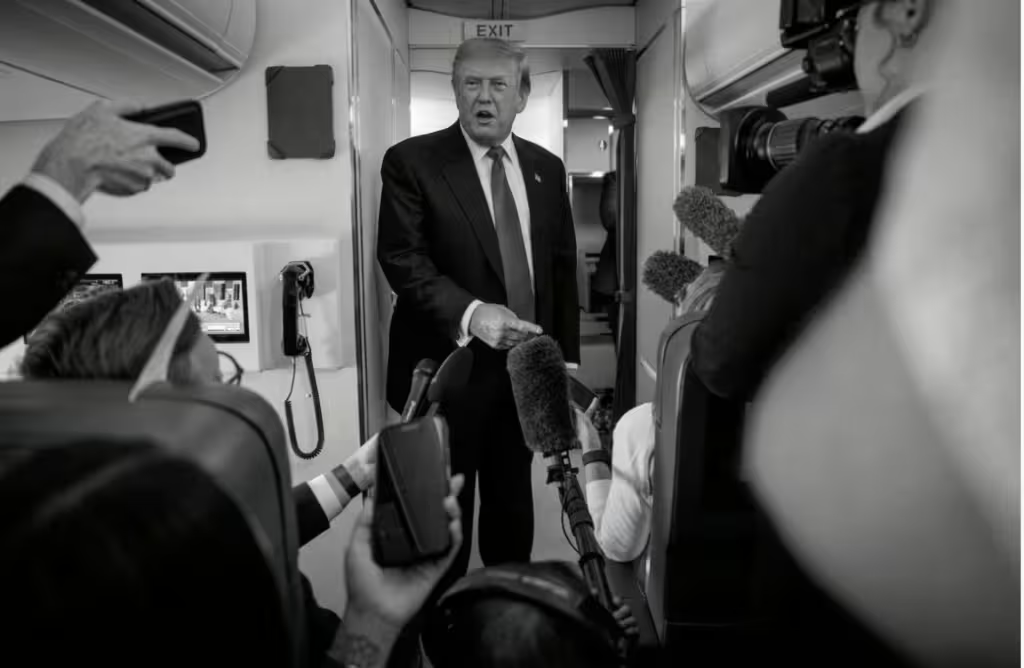
- The expected response: Trump vowed to strike Iran hard but provided no timetable, target list or indication of the operation’s scale.
- The diplomatic opening: The US president said talks would be allowed to continue, although Washington and Tehran remain far from formally resuming peace negotiations.
- The Iraqi front: Iraq’s Popular Mobilization Forces said 20 of its members were killed in US and Saudi strikes against armed groups aligned with Tehran.
- The Hormuz dispute: Iran rejected an Omani proposal for shared management of shipping lanes and demanded sole authority over vessels entering the Gulf.
- Washington’s constraints: The administration faces concerns over dwindling stocks of air-defense interceptors, higher fuel prices and growing domestic opposition to the war ahead of the midterm elections.
- The oil shock: Brent crude jumped roughly 7% to 8%, climbing above $90 a barrel as the brief halt in attacks ended.
Between the Lines
Iran is betting that its ability to threaten US bases and vital shipping corridors will make continued warfare more costly than negotiating on Tehran’s terms. But that gamble assumes Washington will choose a contained response—an assumption that could collapse if Trump tries to restore deterrence by targeting military, nuclear or infrastructure sites inside Iran.
What to Watch
The next phase will depend on the scale of the American response. A calibrated strike could push both sides back toward diplomacy, while an expanded target list could unleash another cycle of attacks against US forces, regional allies and energy facilities. Shipping movements through Hormuz and Bab el-Mandeb, along with the conduct of Iraqi militias and the Houthis, will indicate whether Iran’s escalation is designed to improve its bargaining position or open a longer phase of the war.