The latest
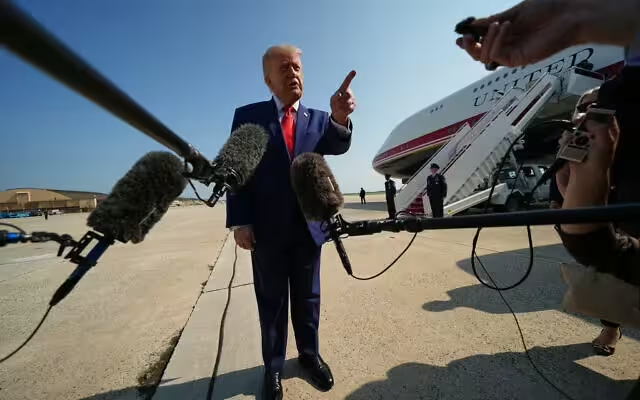
President Donald Trump pledged a forceful response against Iran following the missile attack on U.S. forces in Jordan, saying Washington would “teach them a harsh lesson.” At the same time, he insisted talks with Tehran would continue. The United States and Saudi Arabia also launched strikes against Iran-backed militias in Iraq, while Washington imposed new sanctions on Iran and oil prices surged.
Details
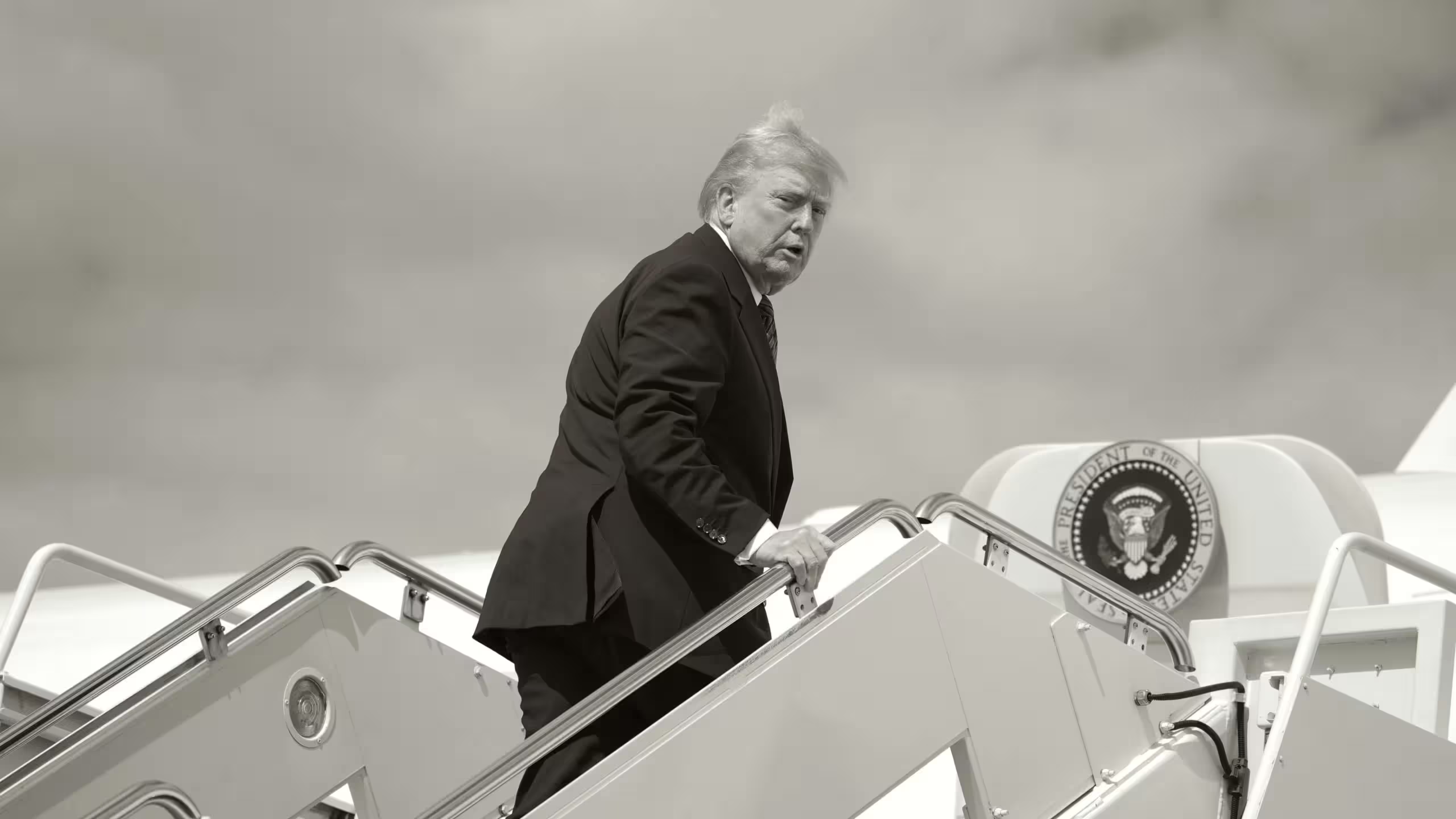
- Trump’s warning: In an interview with Fox News, Trump said the United States would respond forcefully to the attack, adding that U.S. forces had intercepted the Iranian missiles. He also described his recent meeting with Israeli Prime Minister Benjamin Netanyahu as “excellent,” saying, “Now he understands the situation.”
- Military response: U.S. Central Command (CENTCOM) said Iran launched several ballistic missiles toward a U.S. base in Jordan, all of which were intercepted. About two hours later, the United States and Saudi Arabia carried out precision strikes against Iran-backed militia targets in eastern Iraq.
- Iraqi reaction: Iraq’s Popular Mobilization Forces (PMF) said several of its facilities were struck by U.S.-Saudi attacks, calling them a violation of Iraqi sovereignty. Iraqi reports said eight people were killed and four wounded, although Washington has not independently confirmed those figures.
- New sanctions: The U.S. Treasury Department announced a fresh round of Iran-related sanctions targeting eight oil tankers and ten entities, including six companies based in China, as part of Washington’s broader pressure campaign against Tehran.
- Markets and shipping: Brent crude climbed more than 6% to nearly $90 per barrel following Trump’s remarks. Reuters also reported a decline in shipping traffic through the Strait of Hormuz, while vessel movements through the Bab al-Mandab Strait increased.
Background
The attack in Jordan marks the latest episode in the long-running confrontation between the United States and Iran and its regional allies. U.S. military bases in Jordan, Iraq, and Syria form a key part of Washington’s regional force posture aimed at protecting American personnel and deterring attacks. At the same time, the Trump administration has pursued a dual-track strategy of military pressure and economic sanctions while keeping diplomatic channels with Tehran open. The Strait of Hormuz remains especially critical, carrying roughly one-fifth of the world’s seaborne oil trade, making any military escalation there a major risk for global energy markets.
Between the lines
Washington’s latest moves combine three parallel tracks: military retaliation, tighter economic sanctions, and continued diplomacy. Together, they suggest the administration is seeking to raise the cost of attacks on U.S. forces without signaling an immediate shift toward a broader military confrontation with Iran.
What to watch
The next key indicators will be whether Washington expands the scope of its military operations, whether Iran retaliates directly or through regional proxies, how the new sanctions affect Iranian oil exports, and whether shipping through the Strait of Hormuz is further disrupted.