
The Latest
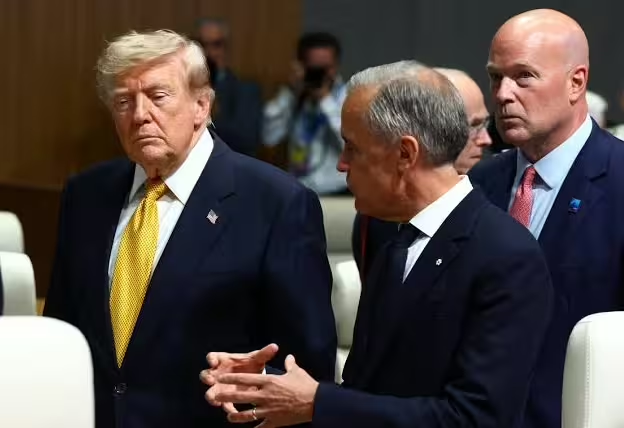
President Donald Trump has imposed 50% tariffs on a broad range of Canadian imports, marking a major escalation in the U.S.-Canada trade dispute. The measures take effect in 30 days and extend tariffs to many goods previously protected under the Canada-United States-Mexico Agreement (USMCA), while exempting energy, potash, critical minerals, fish and products already subject to existing national security tariffs. Prime Minister Mark Carney said Canada is prepared to intensify trade talks but described the move as a violation of the USMCA.
Details
- Tariff measures: Trump signed three proclamations under Section 338 of the Tariff Act of 1930, imposing 50% tariffs on a broad range of Canadian goods. The duties are scheduled to take effect in 30 days.
- U.S. justification: The White House said the action responded to what it described as Canada’s discriminatory treatment of U.S. exports, citing disputes over automobiles, dairy products and alcoholic beverages.
- Canada’s response: Carney said the tariffs violate the USMCA and confirmed Canada has submitted proposals to modernize the agreement. He said Ottawa stands ready to “intensify” negotiations in the coming weeks.
- Products affected: The tariffs cover a wide range of consumer and industrial goods, including wine, beer, hockey equipment, furniture, cement, paper products and selected dairy items. Energy, potash, fish and critical minerals are among the key exemptions.
- Calls for retaliation: Ontario Premier Doug Ford urged Canada to respond “tariff for tariff, dollar for dollar.” Meanwhile, Canadian business groups called on Washington and Ottawa to use the 30-day window before the tariffs take effect to reach a negotiated solution.
What Else
The tariffs are scheduled to take effect in 30 days, giving Washington and Ottawa time to negotiate before the measures are implemented. If they proceed, they will extend U.S. tariffs to many goods that had previously entered the American market duty-free under the USMCA, increasing uncertainty for North American trade.
Analysts are also watching Trump’s use of Section 338 of the Tariff Act of 1930, a rarely invoked provision allowing tariffs of up to 50% on countries deemed to discriminate against U.S. goods. Some see the move as leverage ahead of negotiations, while others warn it could trigger legal challenges and further retaliation if talks fail.
ontime+ AI Assistant
- How might a 50% tariff regime reshape supply chains and pricing across North American trade?
- What leverage does the 30-day delay create for negotiators on both sides?
- How could exemptions for energy, potash, fish, and critical minerals affect the economic impact of the tariffs?
- What are the risks that a dispute of this scale could trigger broader retaliation or legal challenges?
- How might this move influence the future relevance and credibility of the USMCA?
- What industries in Canada and the United States are most likely to feel pressure first if the tariffs take effect?
- Could the use of a rarely invoked tariff provision signal a shift toward more aggressive trade policy tools in future disputes?