
The latest
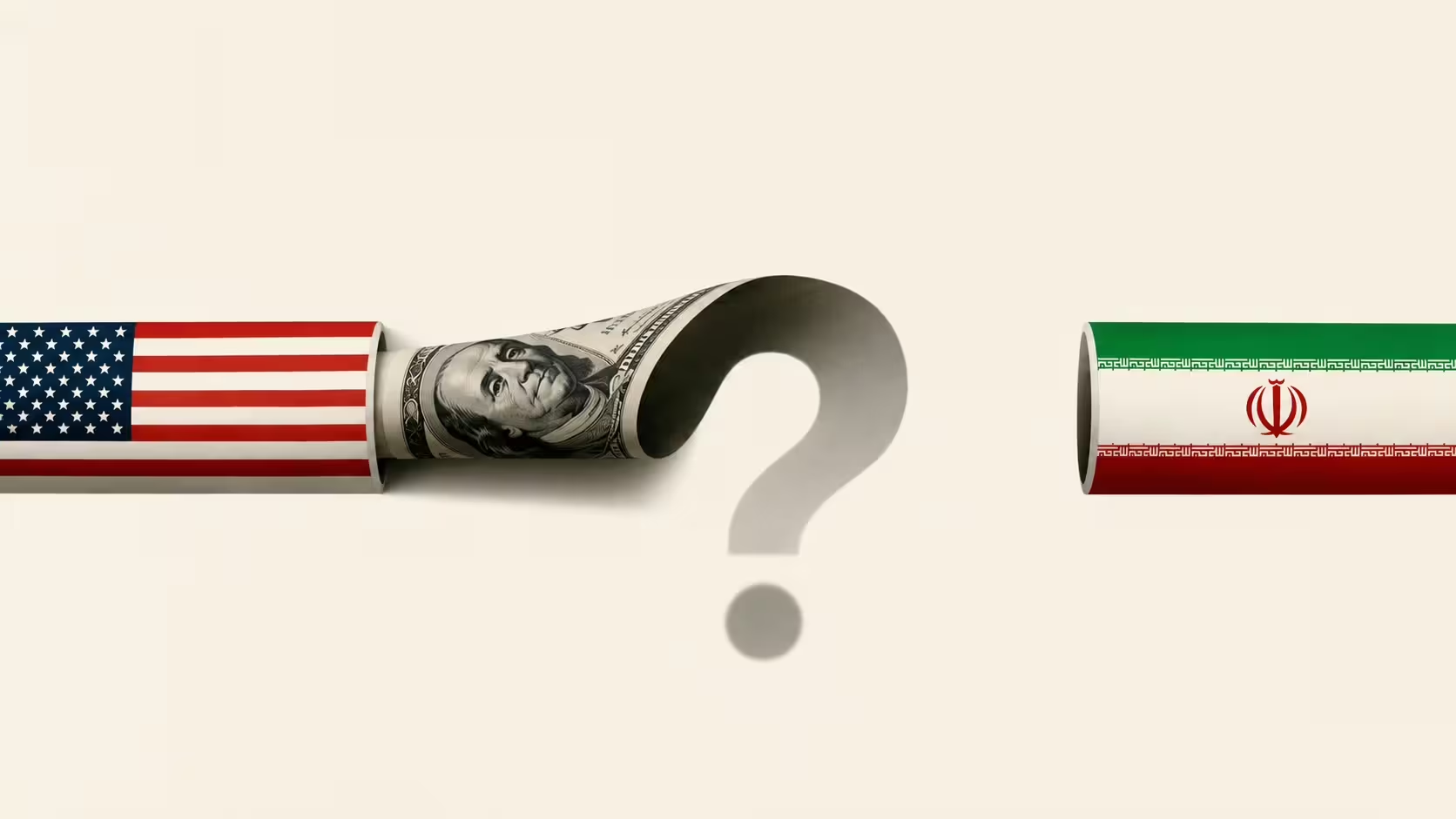
What appears to have angered Benjamin Netanyahu most was not only the agreement Donald Trump reached with Iran, but the way it happened.
After months of war and escalation, the Israeli prime minister had promised a “total victory” and a reshaping of the regional balance of power. Instead, the conflict ended with a U.S.-Iran memorandum of understanding welcomed by most of Washington’s partners, leaving Netanyahu largely isolated in his opposition.
According to Axios, Netanyahu has remained publicly silent while Israeli officials privately expressed deep concerns to journalists. At the same time, media figures aligned with his political camp have begun criticizing Trump and members of his negotiating team.
But tensions between the two leaders did not begin with this agreement.
In recent weeks, Trump reportedly intervened several times to block Israeli military actions he believed could derail negotiations with Tehran. U.S. reports said the president pressured Netanyahu to cancel plans for strikes in Beirut, warning that further escalation could jeopardize the diplomatic track.
The disagreements reached an unusually public level. American reports said Trump sharply criticized Netanyahu during at least one conversation over military plans in Lebanon and later questioned what he viewed as the Israeli leader’s tendency toward escalation.
At the G7 summit, Trump mixed praise with criticism. He thanked Netanyahu for cooperating during the war but described Israel as the “very small partner” in the relationship and suggested that the Israeli prime minister can sometimes overreact. He also renewed his criticism of Israeli military tactics in Lebanon.
Details
• Israeli officials say they were caught off guard by the announcement and felt their role in the negotiations was limited.
• Trump has repeatedly stressed that his goal is to end the war and pursue a diplomatic arrangement with Tehran, even when that conflicts with the preferences of the Israeli government.
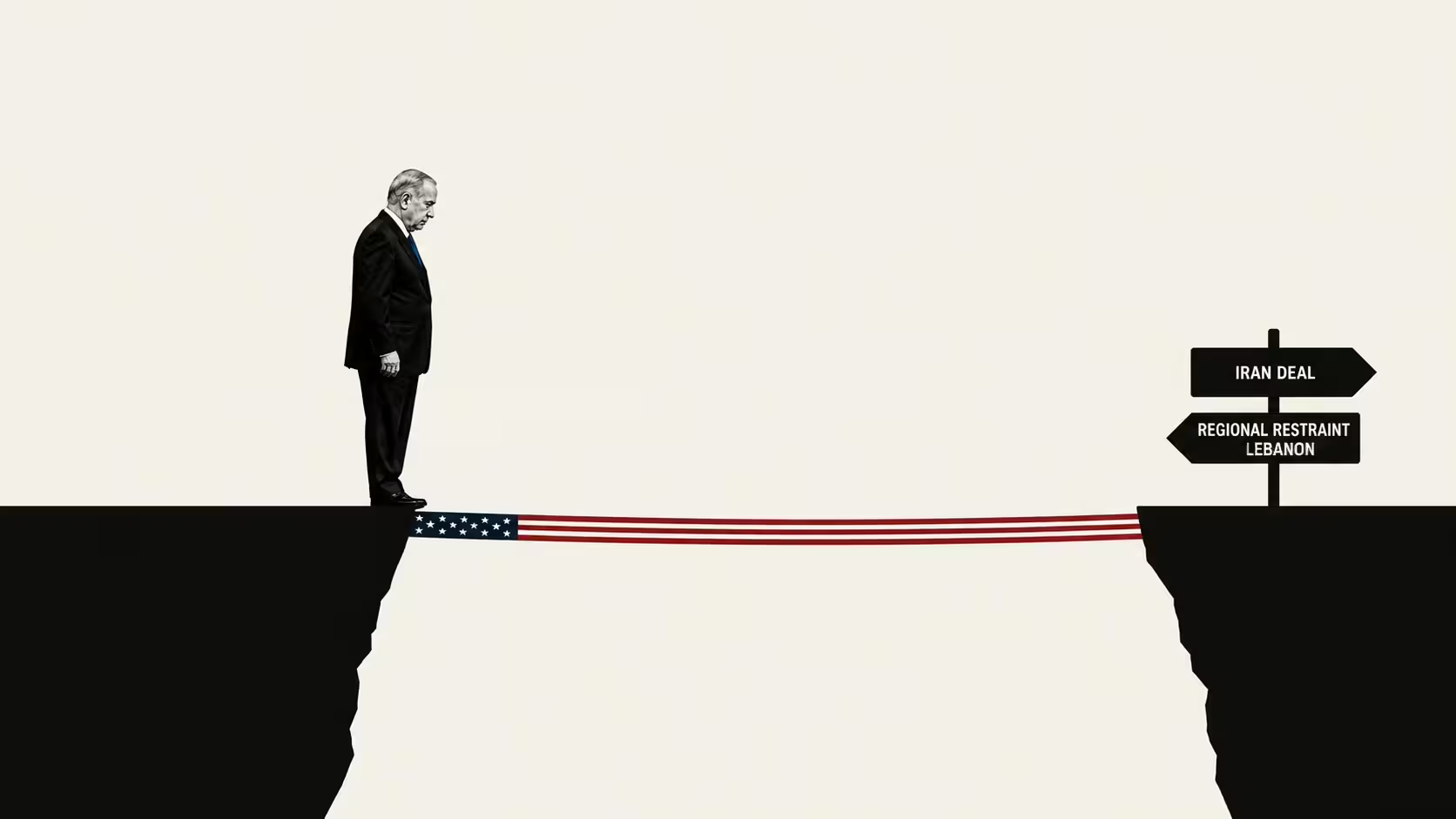
• The most sensitive dispute now concerns Lebanon. The agreement includes a pathway toward ending hostilities and addressing Israel’s future military presence in southern Lebanon, a provision that has generated resistance within Netanyahu’s government.
• Gulf states and major Western powers have broadly welcomed, or cautiously endorsed, the agreement, increasing Israel’s diplomatic isolation on the issue.
What to watch
The key question is no longer whether Netanyahu opposes the deal. It is whether he can stop it.
The prime minister who openly challenged Barack Obama in 2015 appears far less willing to confront Trump. With Israeli elections approaching, Netanyahu may find himself forced to live with an agreement he considers strategically flawed, because the alternative could be a direct clash with the one ally most capable of shaping his political future.