The latest
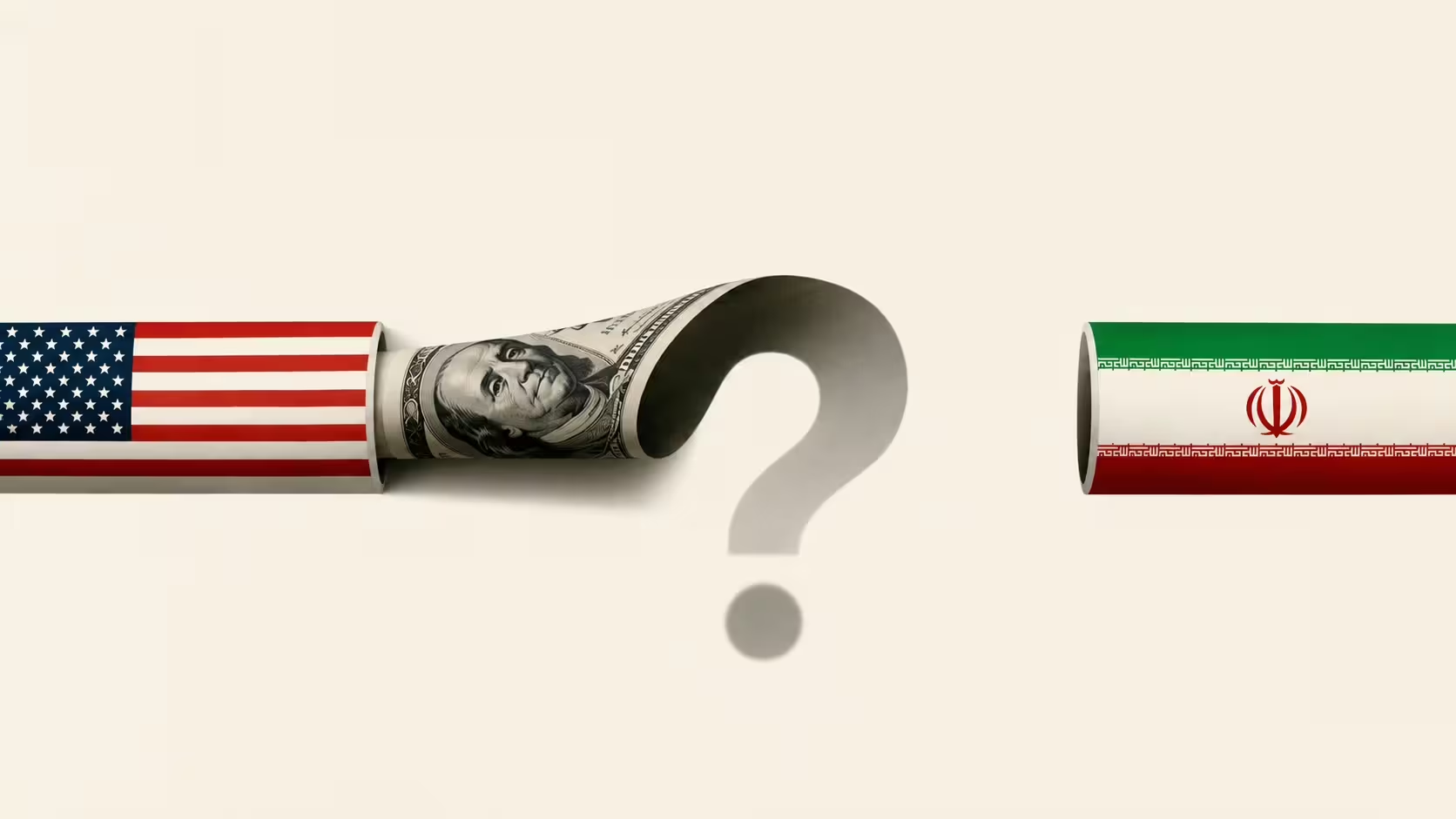
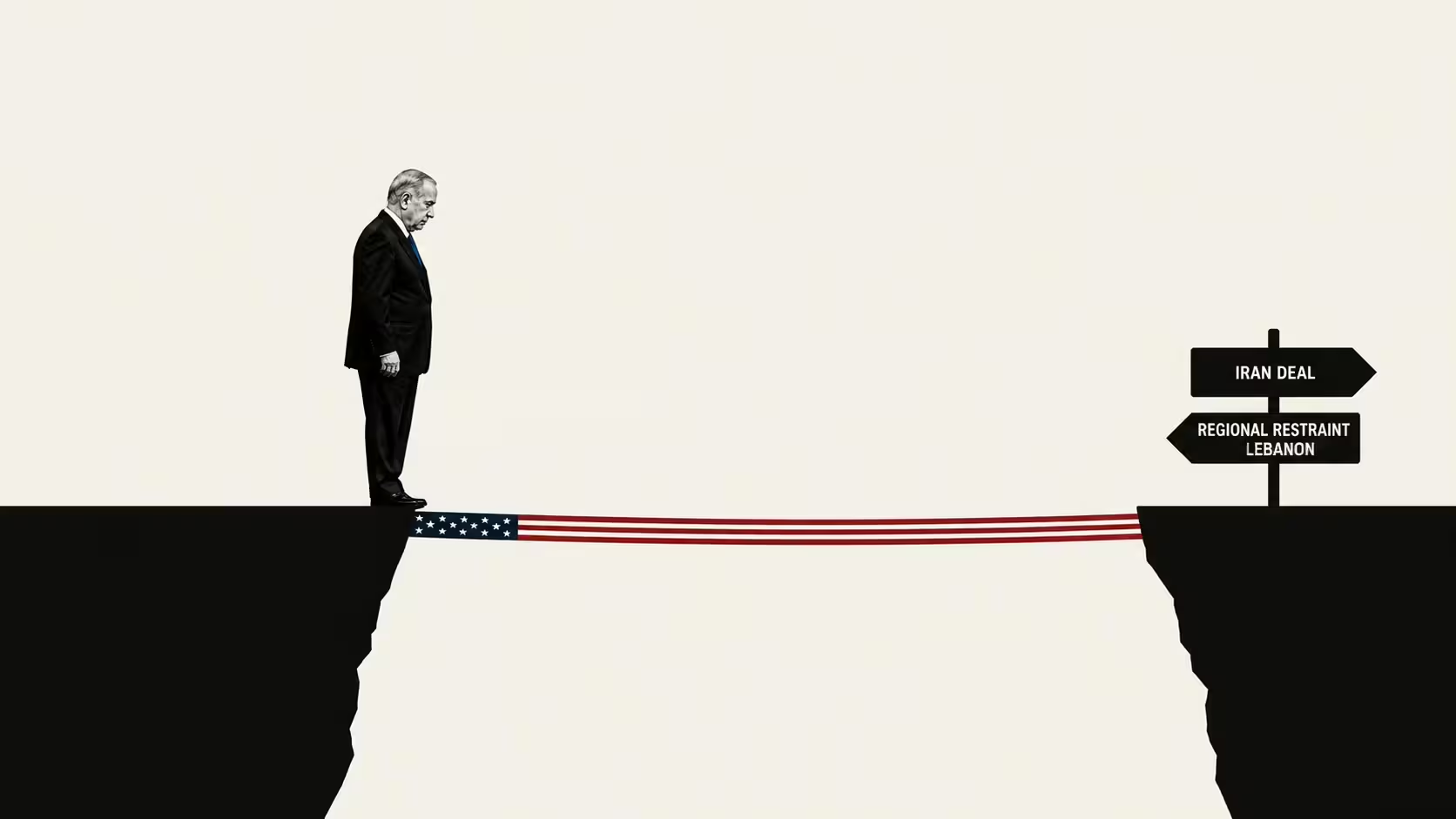
The most significant shift emerging from the U.S.-Iran détente may not be political. It could be happening on the region’s energy map.
Recent tensions highlighted the risks of relying heavily on traditional maritime routes. The uncertainty surrounding the Strait of Hormuz revived a long-standing question: what happens if one of the world’s most important energy chokepoints is disrupted?
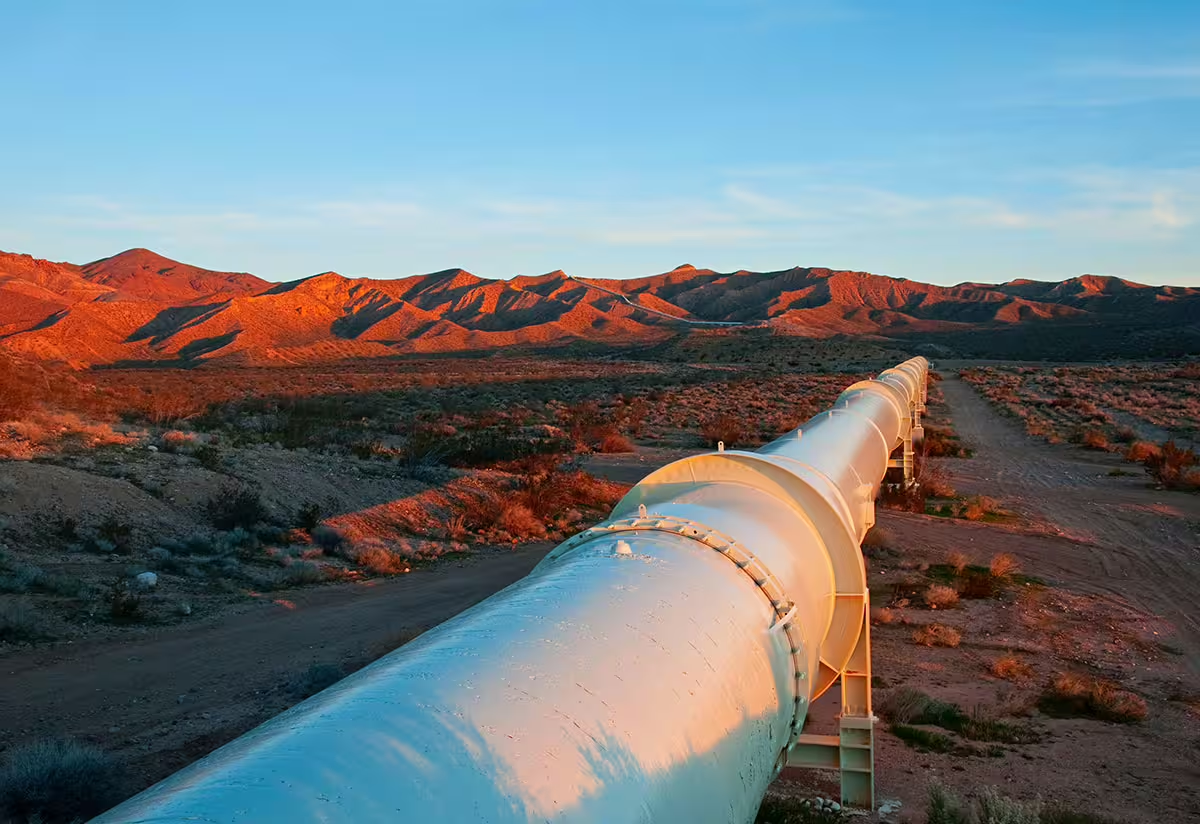
That concern is pushing governments and energy companies to rethink their priorities. Instead of focusing solely on production, attention is increasingly turning to pipelines, rail links, and overland trade corridors connecting the Gulf to the Mediterranean and Europe.
Details
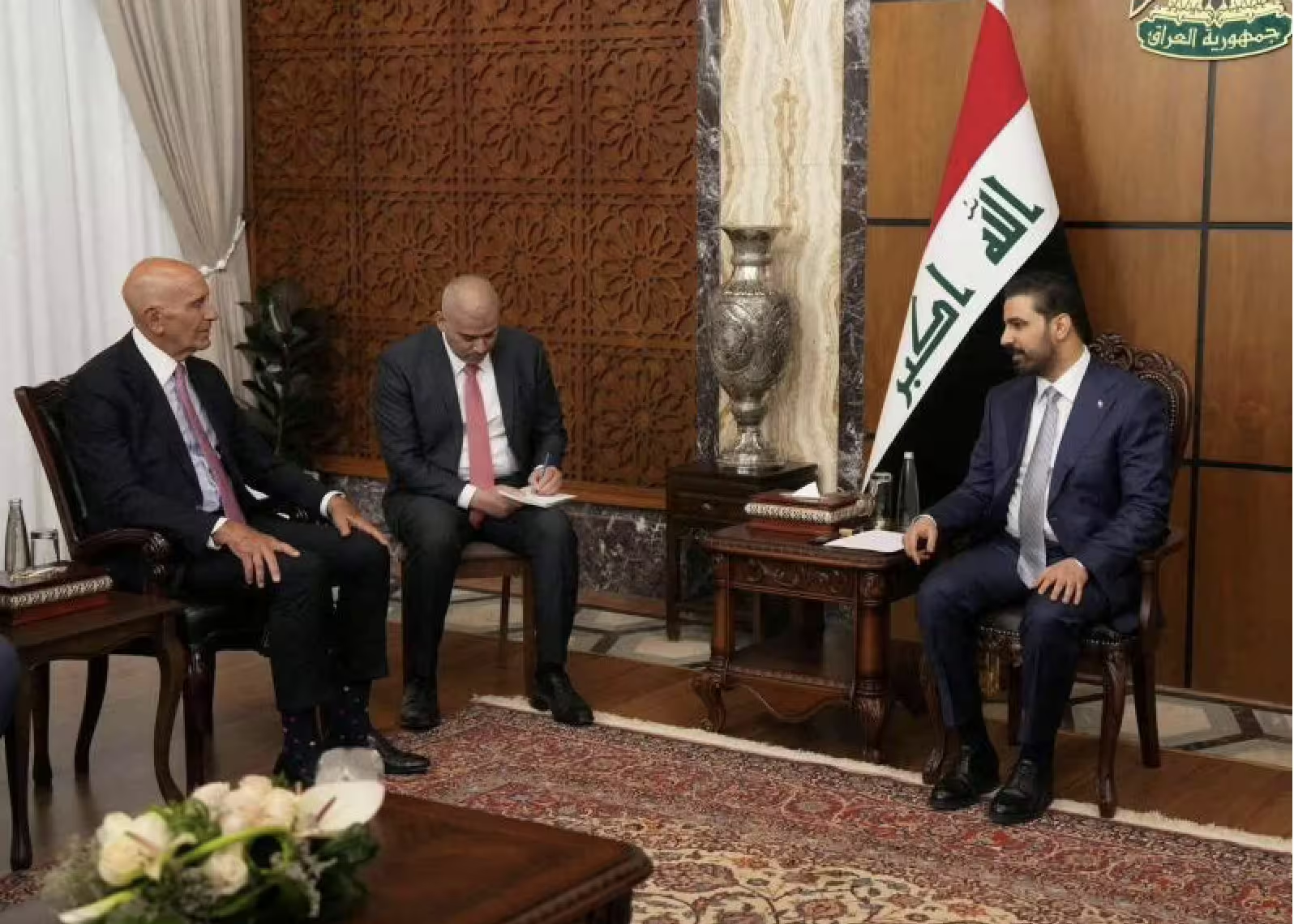
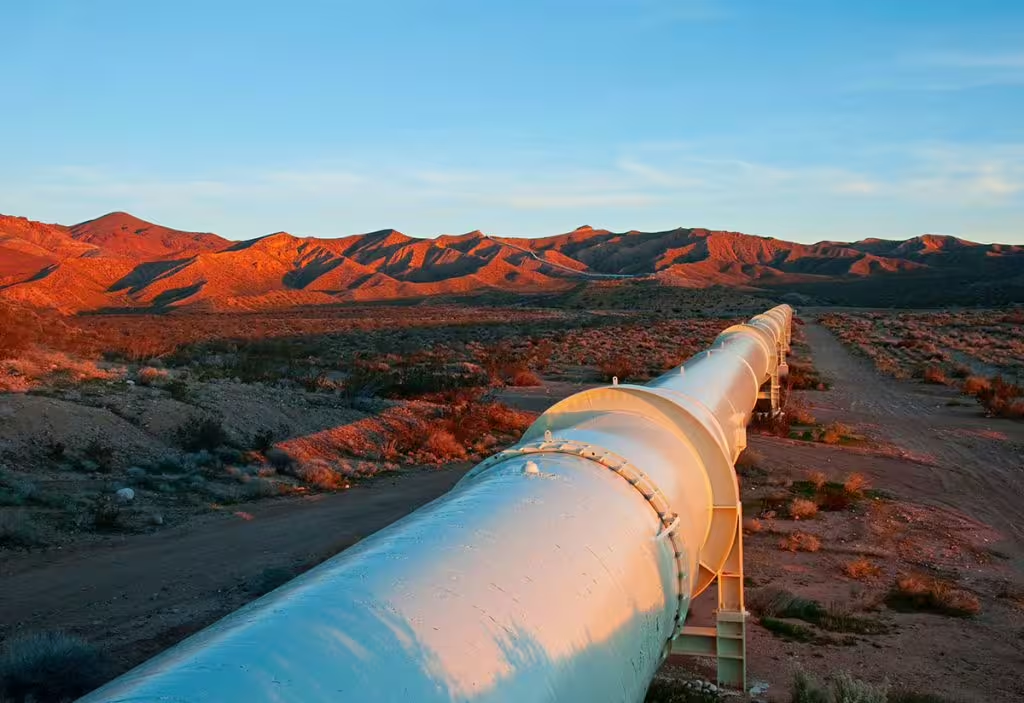
• Iraqi Prime Minister Ali al-Falih al-Zaidi and U.S. presidential envoy Tom Barrack discussed plans to rehabilitate the Kirkuk-Baniyas pipeline, which would connect northern Iraqi oil fields to Syria’s Mediterranean coast. The project is viewed as a potentially important alternative export route for Iraqi crude.
• Iraq is also seeking to strengthen exports through the Kirkuk-Ceyhan pipeline to Turkey. The route has gained renewed importance as concerns grow over disruptions to southern export terminals, while Baghdad and Ankara continue discussions over the pipeline’s future framework.
• Iraq has already resumed exports from the Kirkuk fields through Ceyhan following understandings between Baghdad and Erbil, underscoring the growing push to diversify export channels.
• In the Eastern Mediterranean, regional cooperation on energy and infrastructure continues to expand. International investment is also increasing in offshore projects near Greece and Cyprus, alongside initiatives aimed at strengthening energy security and regional connectivity.
• Syria is gradually returning to regional economic calculations after years of isolation. Its geographic position makes it a potential transit hub linking the Gulf and Iraq with Turkey and European markets, reviving projects that had been dormant for decades.
What to watch
The next strategic competition in the Middle East may center less on oil fields and more on the routes that carry energy to consumers.
If projects such as Kirkuk-Baniyas and Kirkuk-Ceyhan move forward, alongside broader Eastern Mediterranean connectivity plans, the region could witness its most significant energy infrastructure realignment in decades. The recent conflict did not create these trends, but it appears to have accelerated them.