The latest
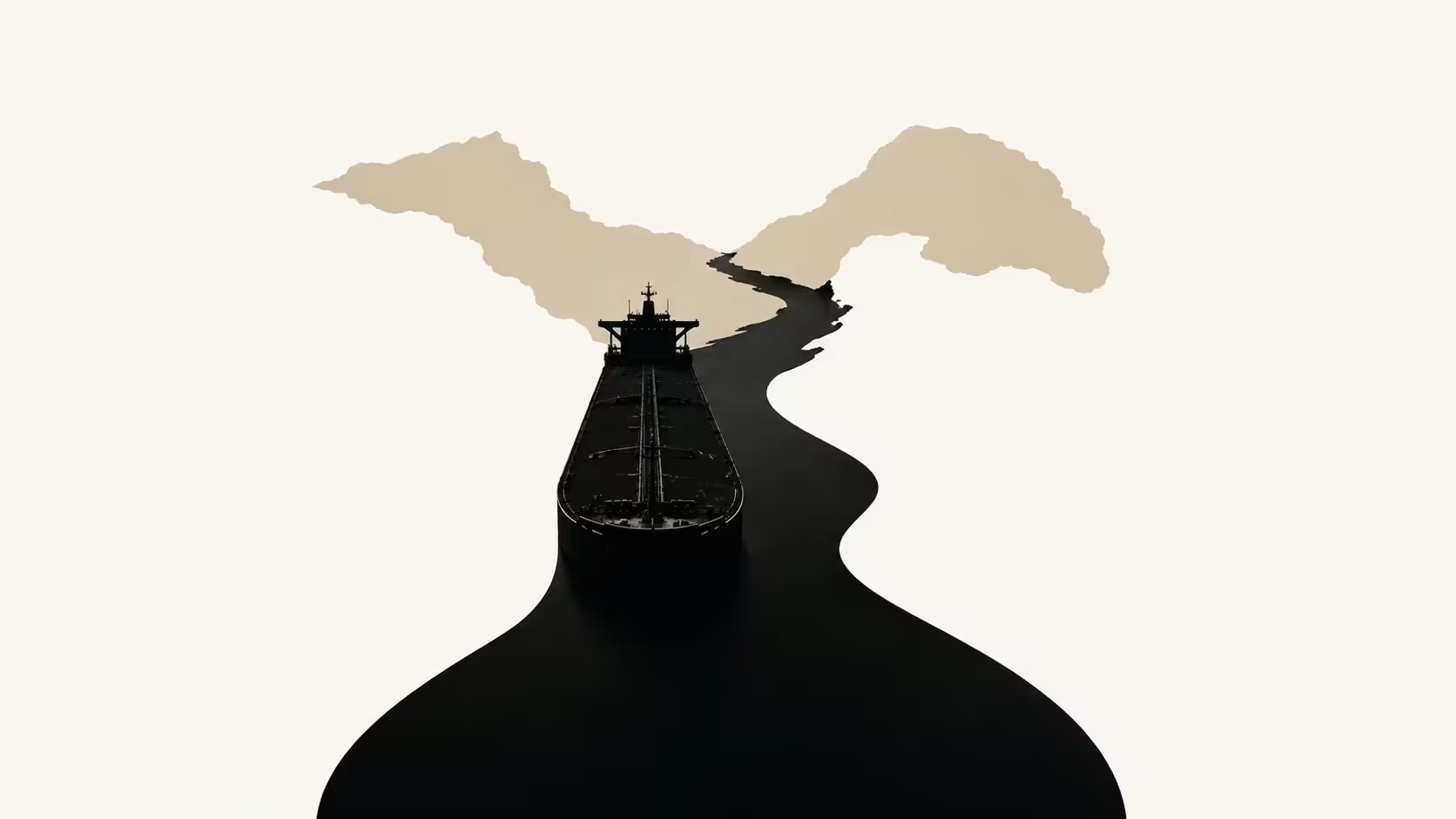
Kuwait appears to have joined a growing group of Gulf oil and gas producers moving energy cargoes through the Strait of Hormuz using vessels that switch off their tracking systems during transit.
Ship-tracking data reviewed by Bloomberg showed that the LPG tanker Umm Al Ruwaisat, owned by Kuwait National Petroleum Company, crossed the strait in recent days before transferring its cargo to another vessel now heading to an Indian port.
Details
• The tanker loaded LPG cargo in the Gulf in May before disabling its Automatic Identification System (AIS) during the voyage.
• The vessel reappeared in tracking data near India’s coast later this week.
• The case is the latest example of energy tankers operating in “dark mode” while crossing the Strait of Hormuz.
• Iraq and other Gulf producers have increasingly relied on tankers that switch off tracking systems while transporting crude oil, LNG and LPG in recent weeks.
• Since the war began on February 28, tanker traffic through the Strait of Hormuz has fallen by an estimated 90% to 95% from pre-war levels, disrupting global energy flows.
• Some cargoes continue to move through the waterway, but under increasingly opaque operating conditions that make it difficult to determine how much oil and gas is actually reaching buyers.
• Energy-tracking firms say dark-shipping tactics, once primarily associated with Iranian vessels seeking to evade sanctions, have become common across a large share of commercial traffic passing through the strait.
What to watch
If more exporters adopt dark-shipping practices, visibility into Gulf energy exports could deteriorate further, complicating efforts to assess global oil and gas supply levels.