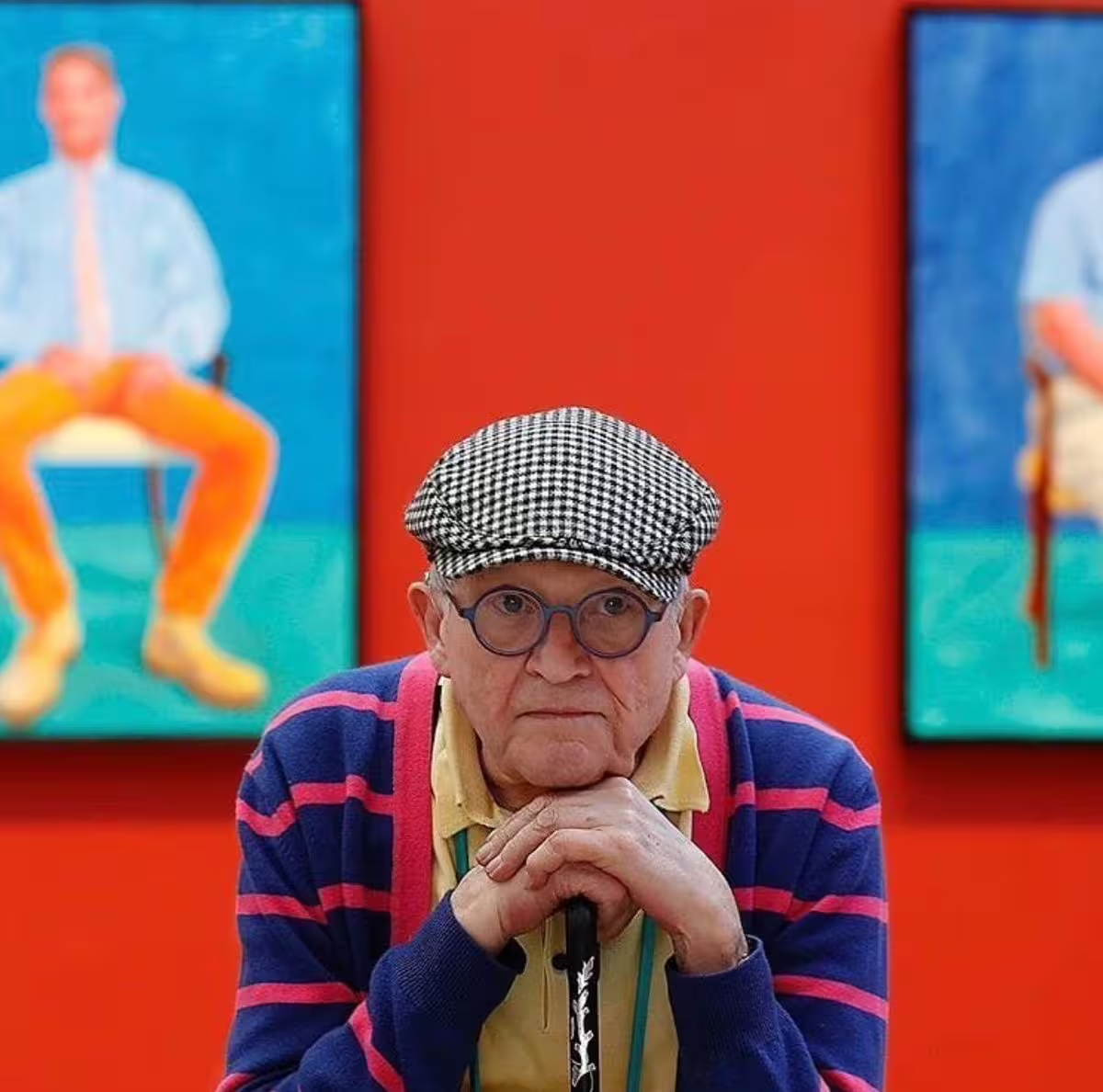
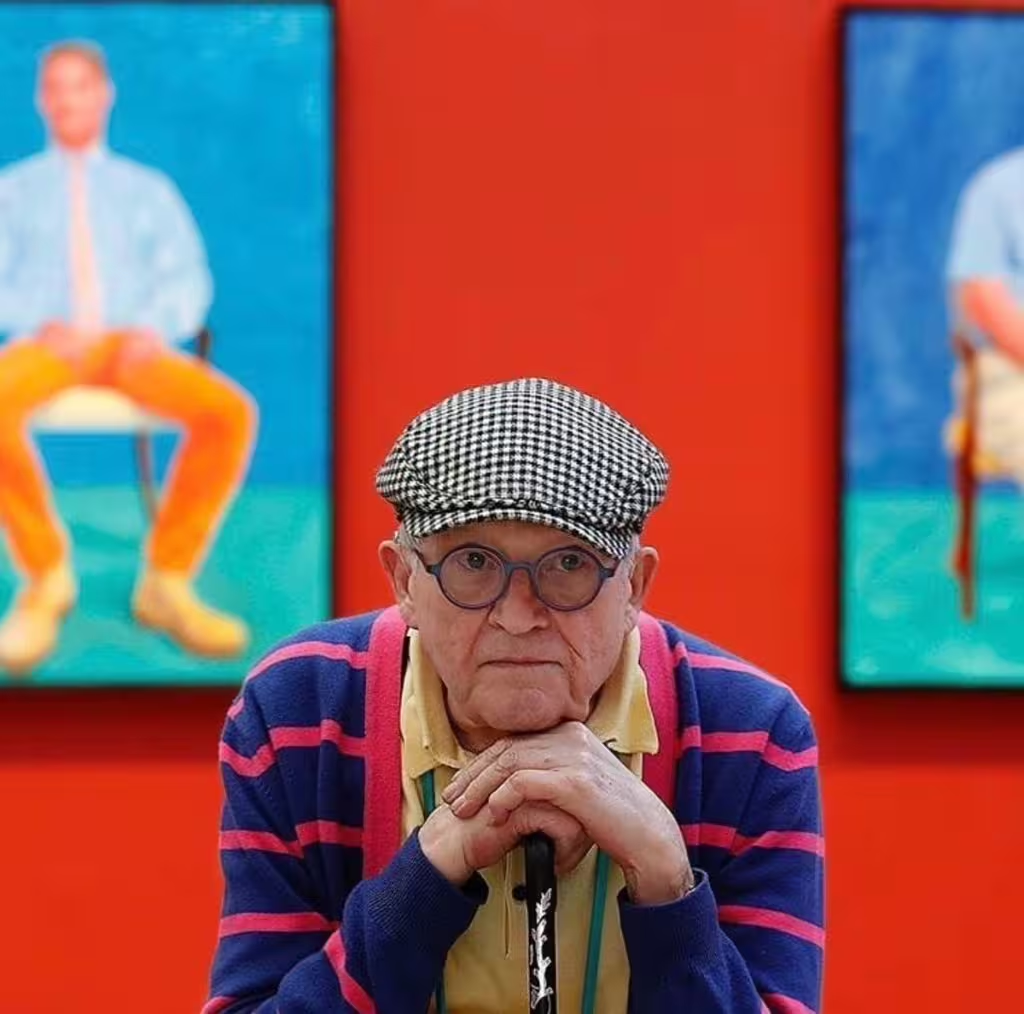
David Hockney, the painter who went to California in search of light and turned it into one of modern art’s most recognizable languages, has died.
His public relations agent said Hockney died peacefully at his home in London. He was 88, one month short of his 89th birthday.
Hockney was born in Bradford, in northern England, into a cold, conservative world. But as a child, he was fascinated by the hard shadows in old Hollywood films. To him, a strong shadow meant strong sun.
Years later, he went to Los Angeles to live inside that light.
There, he painted swimming pools, men, houses open to the sun and scenes of freedom that became part of the visual memory of modern art.
Hockney was a painter of life. He took boldness from pop art, light from California, quiet from Yorkshire and seasons from Normandy, then turned them into a world that was unmistakably his own.
Despite his fame, he never lost his curiosity. He worked with fax machines, then the iPad, treating every new tool as another way to see the world again.
In 2018, his celebrated painting “Portrait of an Artist (Pool with Two Figures)” sold for $90.3 million, then the highest auction price for a work by a living artist.
But Hockney’s value was never only in the number.
It was in his ability to make color feel like personal memory, and to turn an ordinary scene into a moment lit from within.
Asked once about retirement, he said artists do not retire from this work. They keep going “until they fall over.”
He did.
David Hockney kept drawing to the end.