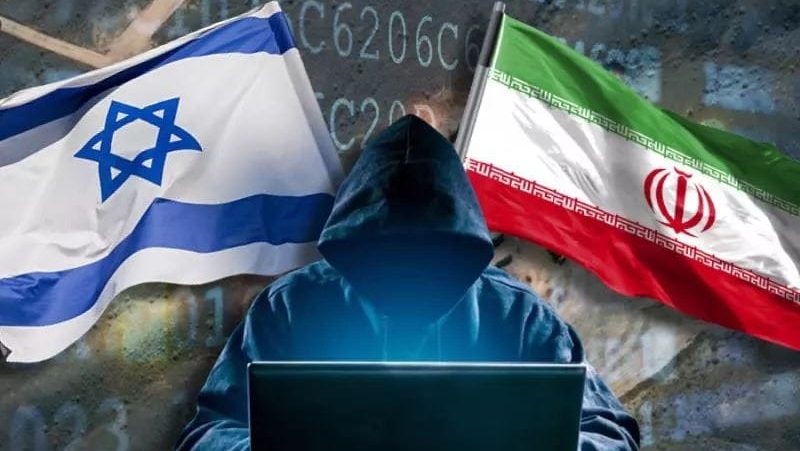
The conflict between Iran and Israel has exposed a sharp escalation in the digital battlefield, after malicious text messages were used to target civilians during missile strikes. Israelis received messages claiming to provide shelter information, but instead installed spyware that granted access to cameras, location, and personal data.
The attack, attributed to Iran, reflects an advanced level of coordination between military and cyber operations, underscoring how cyberwarfare has become a core element of modern conflict, alongside disinformation and hacking to offset military disadvantages.
Detail
The malicious messages were timed with the strikes, increasing their effectiveness against civilians under pressure. Experts say this synchronization between digital and physical attacks marks a notable shift in conflict tactics.
Iran-linked groups are increasingly carrying out high-volume but low-impact cyberattacks:
- Nearly 5,800 attacks carried out by around 50 groups
- Targeted companies and infrastructure in the U.S., Israel, and Gulf countries
- Exploit outdated vulnerabilities and aim to disrupt organization
Despite limited direct damage, these operations place continuous pressure on companies, creating psychological strain, weakening confidence, and increasing defensive costs.
Targets are also expanding to sensitive sectors, including:
- Healthcare and medical technology firms
- Data centers and critical infrastructure
- Supply chains tied to the economy and military operations
Destructive ransomware attacks have also been recorded without ransom demands, indicating purely disruptive intent.
Artificial intelligence is playing a growing role by accelerating attacks and amplifying disinformation. Fake images and videos of military events have spread widely, while authorities attempt to restrict internet access and shape the narrative.
What’s Next?
Cyberattacks are expected to continue even if a ceasefire is reached, with likely escalation targeting more sensitive sectors and greater reliance on artificial intelligence.