The latest
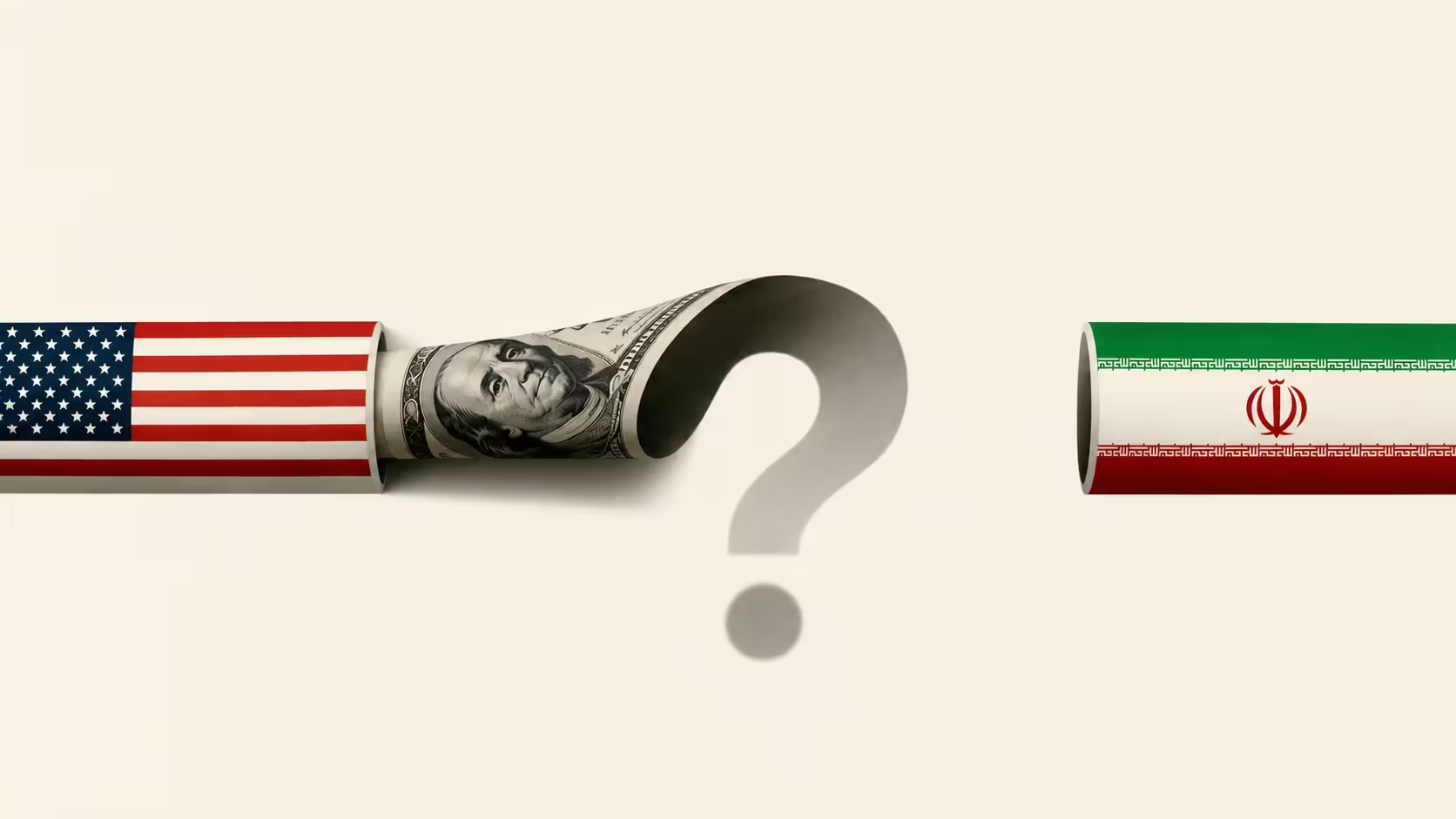
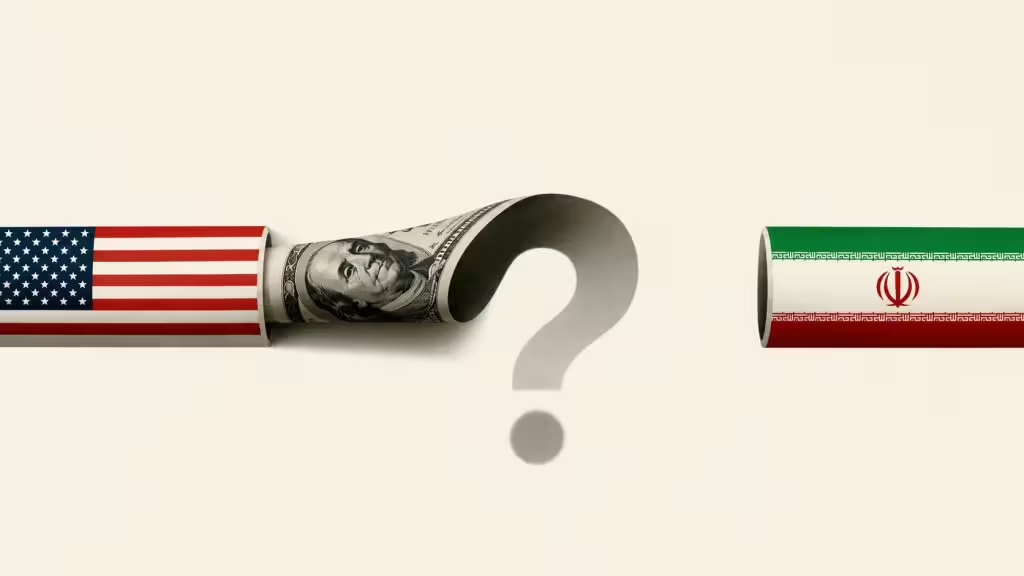
Money has become the most contentious part of the emerging U.S.-Iran agreement.
While public attention remains fixed on uranium enrichment and nuclear inspections, the political fight in Washington is increasingly centered on a different question: how much will Iran gain financially, and when?
According to details reported by Axios, Iran would be allowed to sell oil freely during a 60-day negotiating period following the signing of the memorandum of understanding. U.S. officials view that step as a temporary economic incentive while talks continue toward a broader nuclear agreement.
The larger dispute, however, concerns frozen Iranian assets and a proposed investment mechanism valued at up to $300 billion.
Sources familiar with the memorandum told Axios that a final agreement could include a phased lifting of sanctions and expanded access to Iranian funds held abroad, tied to implementation milestones.
The White House rejects claims that Iran is receiving a blank check.
U.S. officials argue the framework is built on a “performance-for-performance” model, meaning Tehran would only receive broader economic benefits after meeting commitments related to its nuclear program and maritime security in the Strait of Hormuz.
Details
• The memorandum would allow Iran to export oil during the 60-day negotiation period, potentially generating significant revenue from energy sales.
• Disagreement remains over frozen Iranian assets. Tehran has suggested the agreement opens the door to accessing those funds, while U.S. officials insist any release would be gradual and conditional.
• One of the most politically sensitive provisions is a proposed “reconstruction and economic development” fund worth up to $300 billion.
• Sources familiar with the discussions say the fund would not consist of U.S. taxpayer money or direct compensation payments. Instead, it would be structured around private-sector investments from Gulf states, Asian investors, and other international partners, with more than half of the commitments reportedly already identified.
• Vice President J.D. Vance has said the fund would only move forward if Iran permanently abandons its path toward nuclear weapons and accepts a strict inspection regime.
What to watch
The real test will begin once the memorandum is formally signed and its full text becomes public.
If the document confirms concrete commitments regarding frozen assets and the proposed $300 billion fund, political opposition in Washington is likely to intensify. Critics are already drawing comparisons between Trump’s current approach and the 2015 nuclear deal he sharply criticized. If negotiations collapse during the 60-day window, however, the promised economic benefits may remain little more than bargaining chips.