The latest
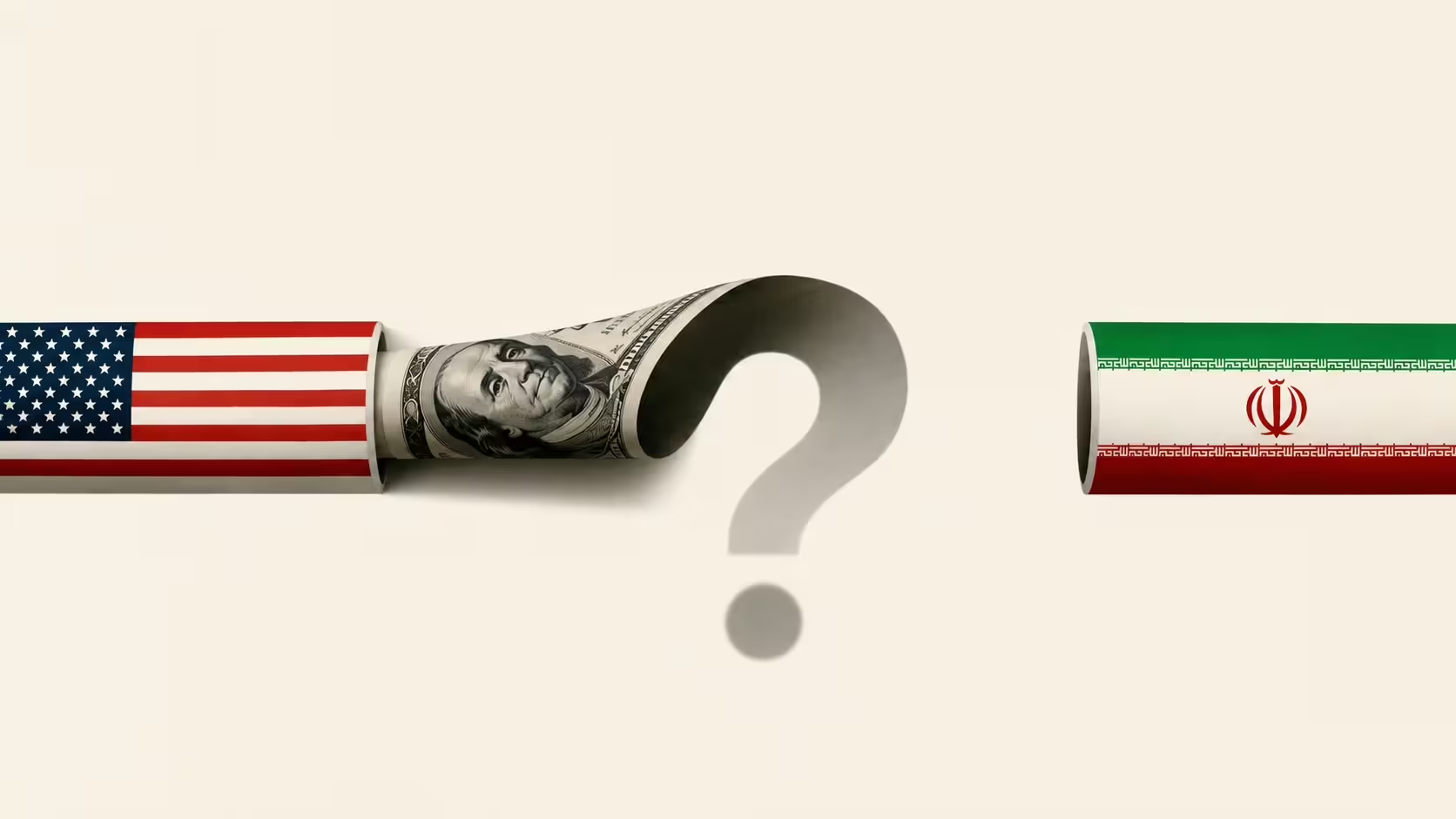
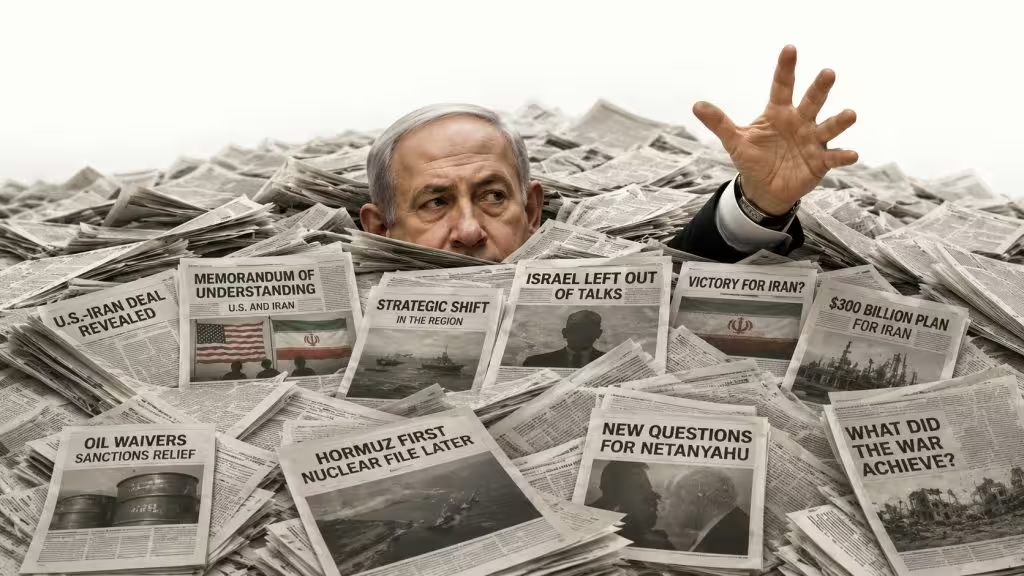
The signing of the U.S.-Iran memorandum triggered a wave of concern and criticism across Israeli media.
The tone varied sharply by outlet. Right-wing media cast the agreement as a victory for Iran. Other platforms framed it as evidence that Israel failed to shape Washington’s decision-making, especially since the text does not immediately resolve uranium enrichment or address Iran’s missile program.
Details
• Channel 14 published the full text under a sharply worded headline: “Victory for the terror regime: The White House published the memorandum of understanding between the United States and Iran.” The outlet focused on the lifting of the naval blockade, oil-export waivers, frozen Iranian funds, and the $300 billion reconstruction and development plan.
• The channel also highlighted language calling for an end to war on all fronts, “including Lebanon.” It argued that this clause could affect Israel’s freedom to continue operations against Hezbollah.
• In another report, Channel 14 said Washington and Tehran had signed the memorandum and that the signing ceremony in Switzerland would not take place. That framing suggested the deal had effectively moved into implementation without a major public diplomatic event.
• Ynet approached the story from a more political angle. It reported that Israel had remained outside the U.S.-Iran negotiating track, and that the agreement does not remove enriched uranium from Iran or address its missile program.
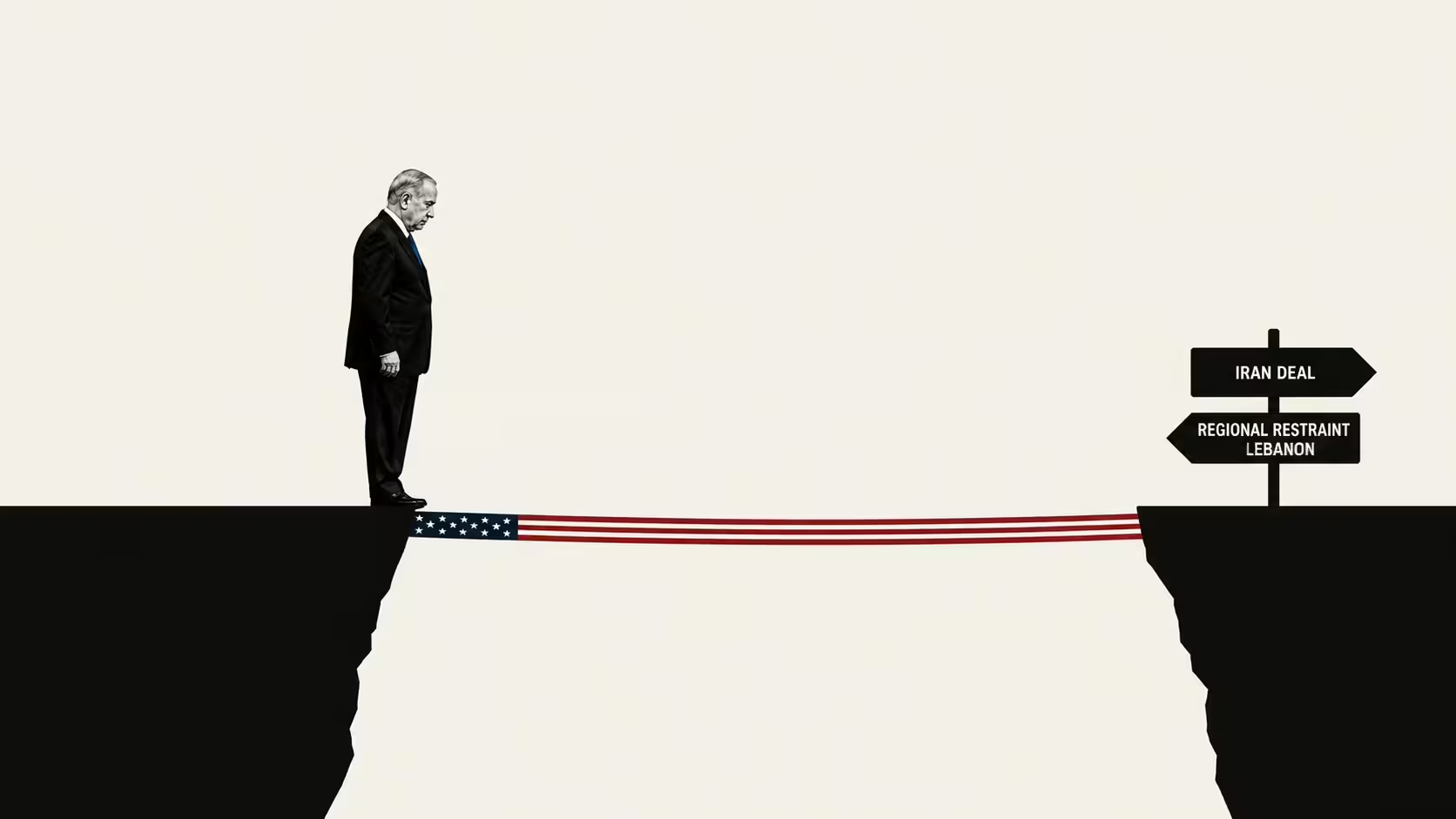
• Ynet also raised implicit questions about Netanyahu’s Iran policy. The outlet noted that the prime minister listed what he called Israel’s achievements, but did not explain how Tehran still ended up with a deal that opens wide financial and economic channels.
• In a separate piece, Ynet highlighted opposition attacks on Netanyahu after the agreement. Gadi Eisenkot accused him of offering “deception, denial and zero answers,” while Yair Lapid pointed to the contradiction between Netanyahu’s language of a “historic achievement” and his warnings about an “existential threat.”
• Channel 13 focused on Trump’s effort to reassure Israel after the signing. It cited Vice President JD Vance as saying Israel had been an “important partner” in much of the process, and that the deal was good for Israel because it addressed the nuclear threat and weakened Iran’s economic and military power.
• But Channel 13 also carried a more worried angle. It said the “price of the deal” was the survival of the Iranian regime, while Iran still held enriched material that, according to estimates presented by the channel, could be enough for several nuclear bombs if Tehran chose to weaponize it.
• Maariv and other Hebrew-language platforms focused on the trust question between Israel and the United States: Was Netanyahu truly briefed on the details? And can he still object now that Washington and Tehran have moved into implementation?
• Israeli officials kept their focus on Lebanon. Defense Minister Israel Katz repeated that Israel would preserve freedom of action in “security zones,” and would respond forcefully if attacked by Iran or its proxies.
• The core Israeli concern is clear: Jerusalem does not want the U.S.-Iran agreement to become a political constraint on its operations against Hezbollah, even if the text refers to ending the war on the Lebanese front.
What to watch
Israeli coverage shows a clear split.
The right is trying to frame the deal as a dangerous American concession to Iran. Other outlets are focusing on Netanyahu’s failure to prevent an agreement that does not meet Israel’s core demands.
The next test will not be Hormuz alone. It will be Lebanon and the nuclear file. If the agreement is interpreted as limiting Israeli operations against Hezbollah, the dispute could move from a diplomatic disagreement over wording to a direct political clash between Washington and Jerusalem.
: