Details
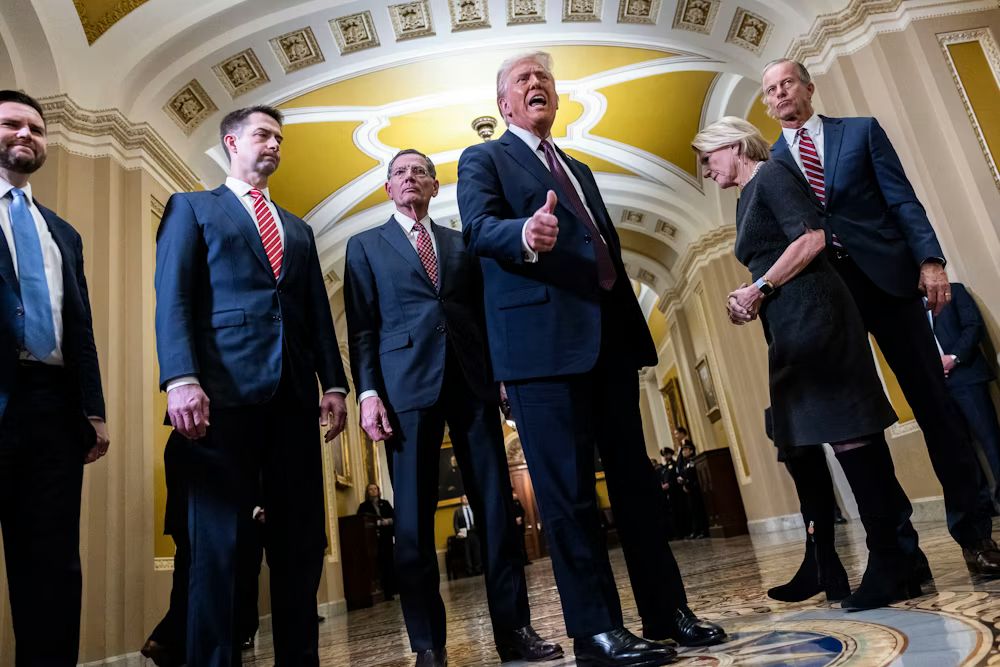
Trump has decided to extend the ceasefire for another three to five days, in the hope that Iran’s leadership can unify behind a workable counter-offer.
The problem, according to the report, is that Washington no longer believes Tehran has a single functioning chain of command. US officials say there is now a visible split between Iran’s civilian negotiators and the IRGC commanders who appear to be exercising real control, while supreme leader Mojtaba Khamenei is said to be barely communicating.
That fracture appears to have become clearer after the first round of talks in Islamabad, when IRGC commander Gen. Ahmad Vahidi and his deputies rejected much of what Iran’s own negotiators had discussed. The divisions then spilled further into the open. Axios reports that after Foreign Minister Abbas Araghchi announced the reopening of the Strait of Hormuz, the IRGC refused to carry it out and instead turned on him publicly. Iran then failed to give a substantive response to the latest US proposal and did not commit to a second round of talks in Pakistan.
US officials believe part of the problem goes back to Israel’s assassination of Ali Larijani in March. Larijani had enough authority to keep Iran’s decision-making system together. His replacement, Mohammad Bagher Zolghadr, is described as lacking the weight to coordinate the IRGC, the civilian leadership and the supreme leader effectively.
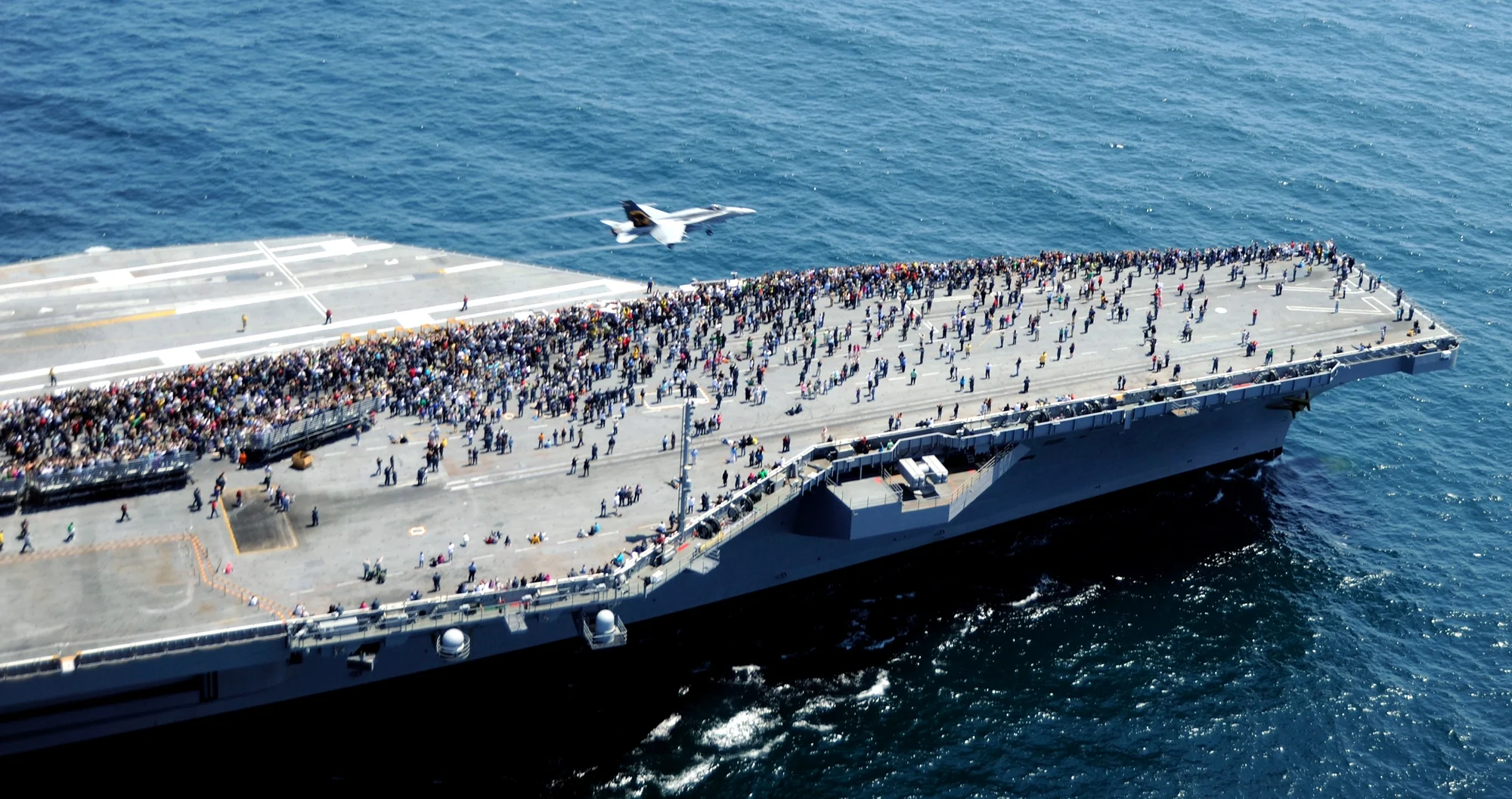
The fallout has frustrated the White House. Vice President JD Vance was reportedly ready to fly to Islamabad to lead a second round of peace talks, while US envoys Steve Witkoff and Jared Kushner are also preparing to travel. However those plans were dropped after Iranian signals shifted again, including a fresh demand that Washington lift its naval blockade.
That left Trump with a new choice: resume military escalation or give diplomacy one more chance. According to Axios, he chose the latter after concluding that Tehran’s internal fractures made immediate talks pointless. Several officials and Trump associates quoted in the report say the president now appears determined to avoid further military action unless every diplomatic option has been exhausted.
What Else
The ceasefire extension has not come without cost. Trump has reportedly accepted that giving Iran more time also reduces some US leverage, but he believes the naval blockade and the financial squeeze it creates can make up for that loss.
The next test is whether Pakistani mediators can secure a clear Iranian return to the table. If they cannot, the White House appears ready to shift back toward military options. For now, the immediate issue is not just what Trump wants from Iran, but whether Iran’s leadership is still capable of answering with one voice.