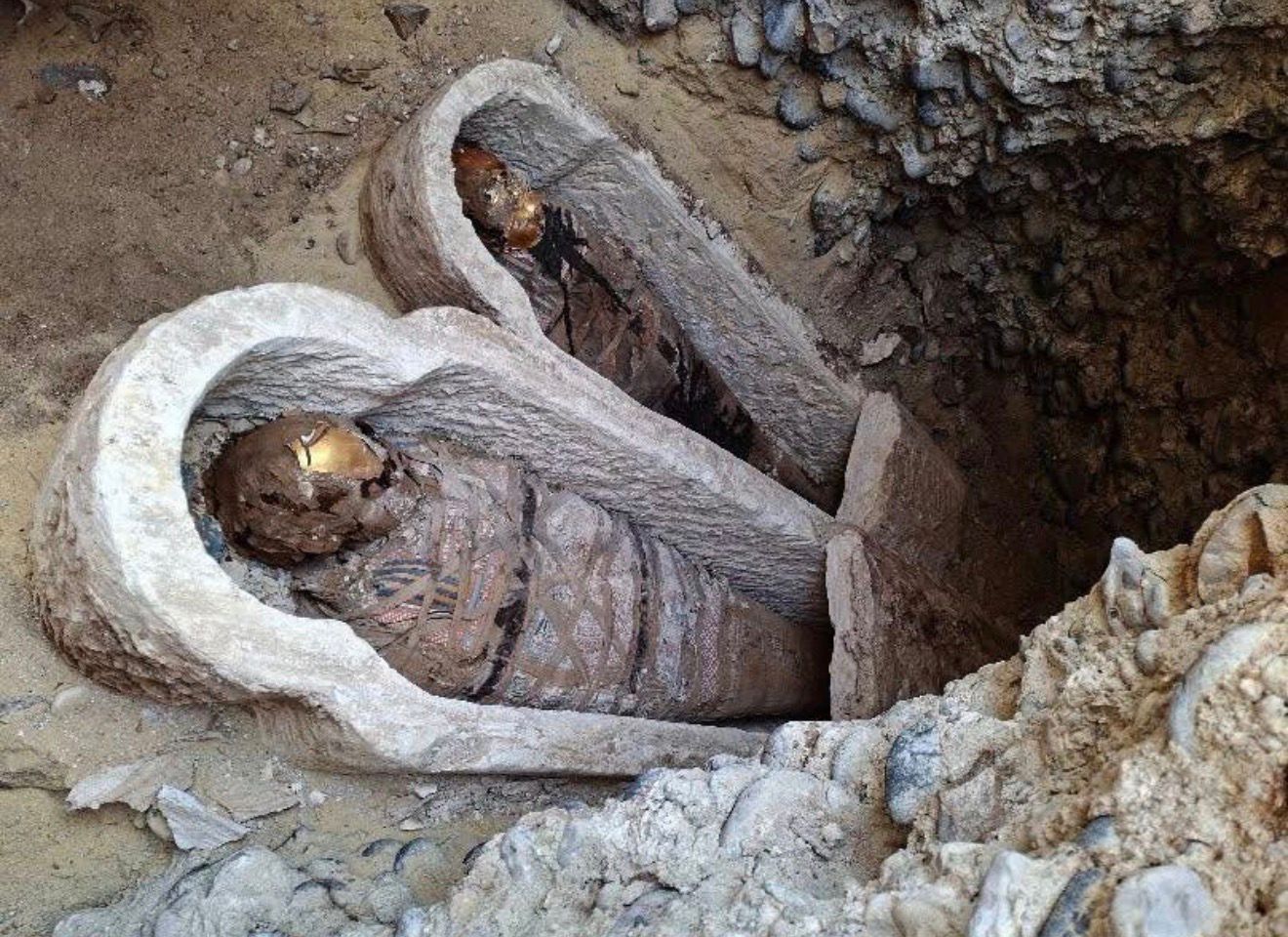
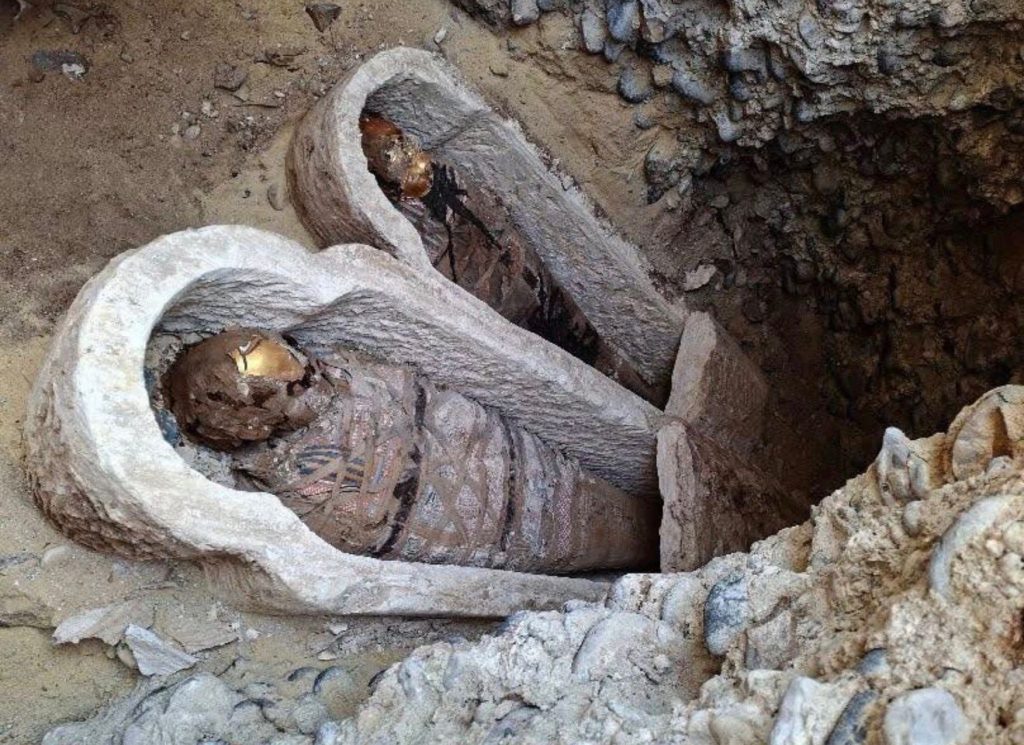
Archaeologists at the ancient site of Egyptian Oxyrhynchus, modern Al Bahnasa, have identified a papyrus containing a fragment from Book II of Homer’s Iliad inside a Roman-era mummy discovered during excavations carried out between November and December 2025. The mission is led by the University of Barcelona’s Institute of the Ancient Near East Studies.
The papyrus was placed in the mummy’s abdominal area as part of the embalming process. Researchers identified the text as part of the Catalogue of Ships, the section in Book II that lists the Greek forces before Troy. According to the University of Barcelona, this is the first time a Greek literary text has been documented in this specific mummification context.
Details
- The mummy was found in Tomb 65 of Sector 22 at the Al Bahnasa necropolis, roughly 190 kilometres south of Cairo.
- Researchers said Greek papyri had previously been found with mummies from the same broad period, but those texts were mainly magical or ritual in nature, not literary in character.
- Reporting on the discovery says the Iliad manuscript appears to have been reused in a funerary setting, with the papyrus folded and sealed in a way consistent with Roman-era burial practice.
- The same excavation campaign also uncovered other Roman-era burials, including mummies with gold and copper tongues placed in the mouth, a practice linked by archaeologists to beliefs about the afterlife.
- The discovery matters because Oxyrhynchus is already one of the richest papyrus sites in the ancient world, and this case pushes the conversation beyond text preservation into how literature may have been repurposed inside burial rituals. That broader interpretation is supported by both the university announcement and follow-up reporting, though fuller academic publication is still needed for deeper conclusions.
What’s Next?
Researchers are expected to keep presenting and studying material from the latest Oxyrhynchus campaign. The find will likely draw further scholarly attention because it sits at the intersection of classical literature, funerary archaeology and cultural exchange in Roman Egypt.