
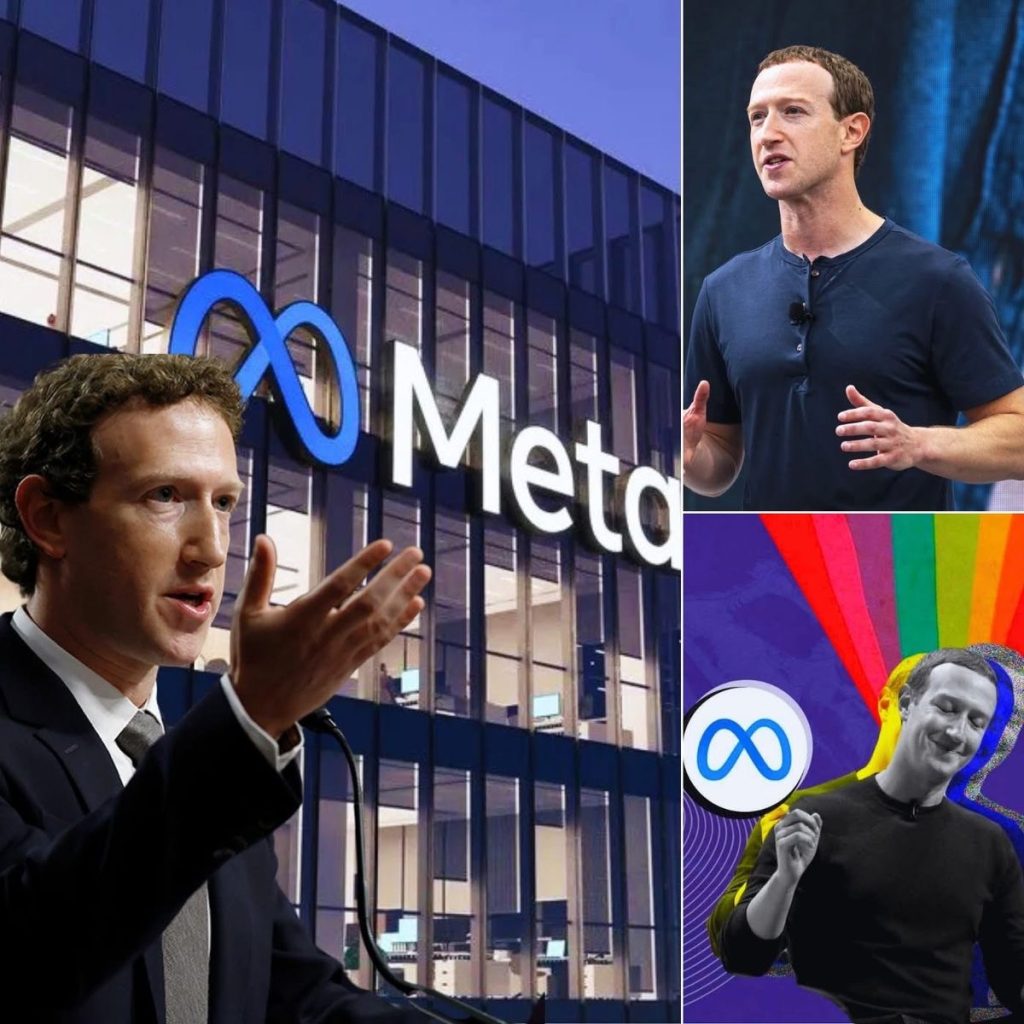
Meta has announced fundamental strategic changes that effectively end the original conception of the “Metaverse” as a VR-exclusive digital world.
The shift is read as a tacit admission that Zuckerberg’s five-year gamble—marked by renaming the company from “Facebook” to “Meta”—has failed to prove that the future lies in immersive headsets.
Detail
The decision to halt support for immersive apps within “Horizon Worlds” delivers a near-fatal blow to a project that drained billions without achieving mass adoption. While the company attempted to soften the announcement by maintaining support for some existing apps, the trajectory is clear: the Metaverse is no longer the priority.
Instead, Meta is reordering its hierarchy to lead the AI race. Zuckerberg, who mentioned “Metaverse” only twice compared to 23 mentions of AI in his last keynote, is now betting on vast data centers to develop an AI “personal companion.” This explains the projected surge in capital expenditure.
Virtual Reality, once intended to replace smartphones as the next computing platform, remains niche. Even competing efforts, like Apple’s expensive “Vision Pro,” have failed to generate the momentum needed to shift mainstream consumer behavior.
What it means?
The retreat from the Metaverse is a strategic “course correction” forced by hard data and investor pressure. Meta is not exiting the space entirely, but it is lowering its ambitions from “creator of an alternative world” to a “digital service provider” powered by AI through traditional devices and simple augmented reality glasses.
The cumulative lesson here is a harsh one: cutting-edge technology does not guaranteed immediate social acceptance.