Water is emerging as a decisive factor in the Iran-led conflict against Gulf states, as risks grow over drinking supplies in countries that depend heavily on desalination.
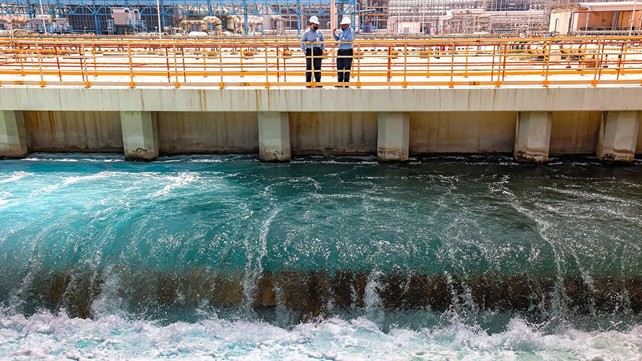
Countries such as Bahrain, Kuwait and Qatar rely on desalination for more than 90% of their drinking water, while the share reaches around 70% in Saudi Arabia and nearly 40% in the UAE, making the continuous operation of these facilities a matter of national security.
Details
This equation exposes growing vulnerabilities in the region’s water infrastructure:
- Major desalination plants are concentrated along coastlines, placing them within range of Iranian missiles and drones
- Large cities depend on a limited number of facilities, amplifying the impact of any direct strike
- A key example: Jubail plant once supplied over 90% of Riyadh’s water, and any disruption could force evacuation within days
Gulf states have invested about $53bn since 2006 to reduce risks by diversifying production and building strategic reserves. However, major gaps remain:
- Storage capacity is limited; the UAE aims for reserves covering just two days of consumption by 2036
- Smaller states like Bahrain remain highly exposed
- Any large-scale attack could trigger severe rationing or partial outages
On the other side, Iran depends less on desalination but suffers from acute water shortages due to overuse and mismanagement, with around a third of its population affected.
What’s next?
Fears are rising that military escalation could increasingly target water infrastructure, turning supplies into a pressure tool that may deepen the regional crisis.