The United States has imposed a naval blockade on Iran through a wide military deployment near the Strait of Hormuz, aiming to choke off oil exports that represent Tehran’s primary source of revenue.
The move is designed to intensify pressure on an economy already strained by sanctions, but it does not guarantee forcing Iranian leadership into concessions, amid warnings of broader repercussions for global energy markets.
Details
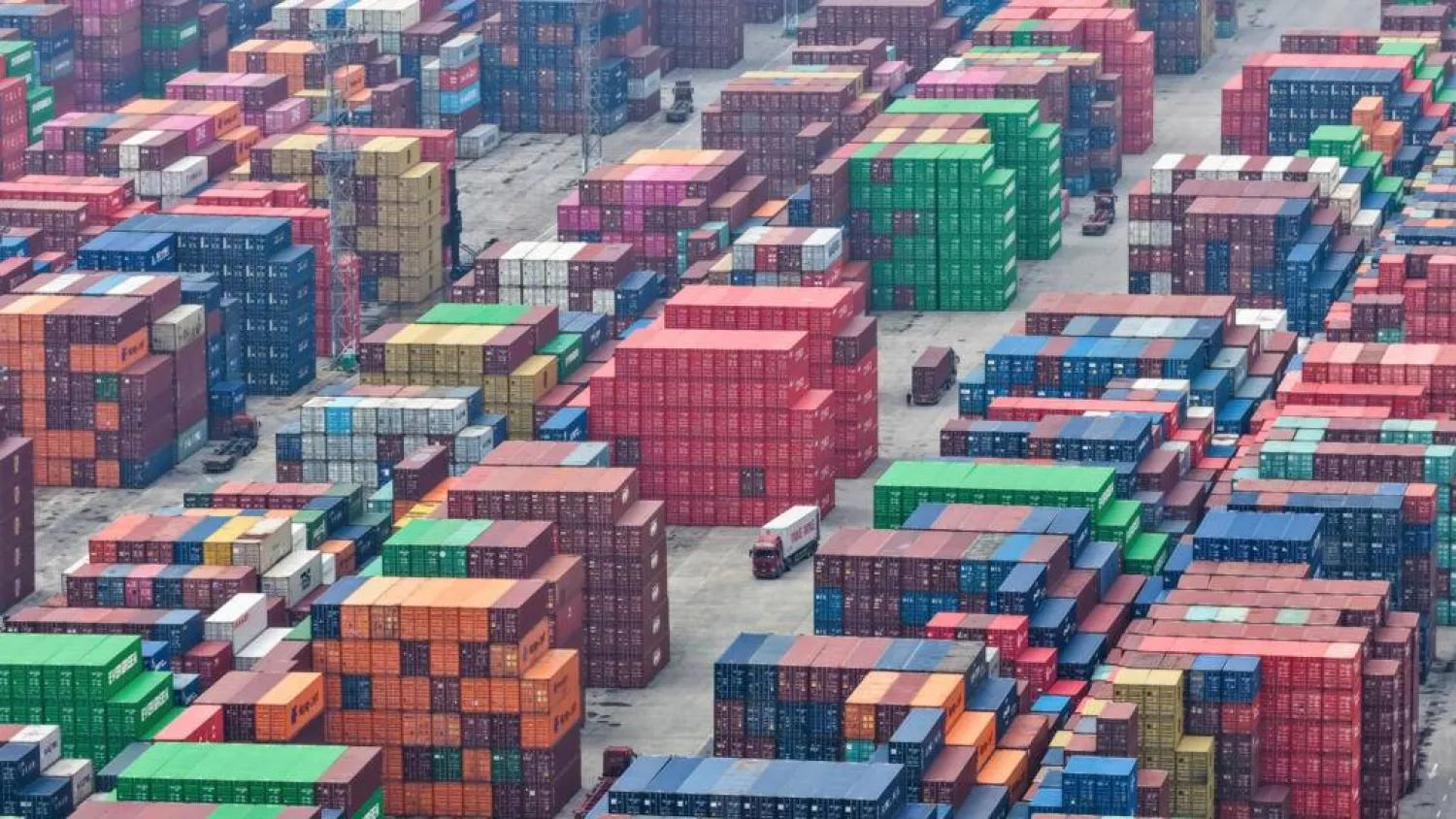
Iran’s economy still relies heavily on oil despite a reduced share compared to previous decades, accounting for more than 40 percent of export revenues in 2023. China remains the largest buyer, taking in about 90 percent of Iranian oil exports in 2024, equivalent to over $30 billion annually.
The blockade directly targets these revenues but faces the reality that Iran has reshaped its economy under years of sanctions:
• Non-oil trade reached nearly $110 billion with more than 170 countries.
• Partial reliance on domestic production in sectors such as steel, pharmaceuticals, and food.
• Use of land routes and the Caspian Sea to bypass restrictions.
At the same time, the blockade worsens existing internal crises, including high inflation, currency collapse, unemployment, and shortages of goods. Recent military strikes have also damaged industrial infrastructure and energy networks, limiting domestic production capacity.
Despite this, experts note that in wartime conditions, Tehran’s priority is not maximizing profits but maintaining minimum revenue flows to sustain the economy. Smuggling and informal trade continue to provide alternative streams of goods and foreign currency.
Globally, the blockade could remove around two million barrels per day from the market, putting upward pressure on prices. Shipping and insurance costs are also rising, alongside fears of attacks or closures of critical maritime routes, in addition to Iranian threats targeting energy producers in the region.
What’s Next?
Attention is focused on China’s compliance with the blockade and the likelihood of Iranian escalation in maritime routes or against regional states, alongside a real test of Iran’s economic resilience.