News
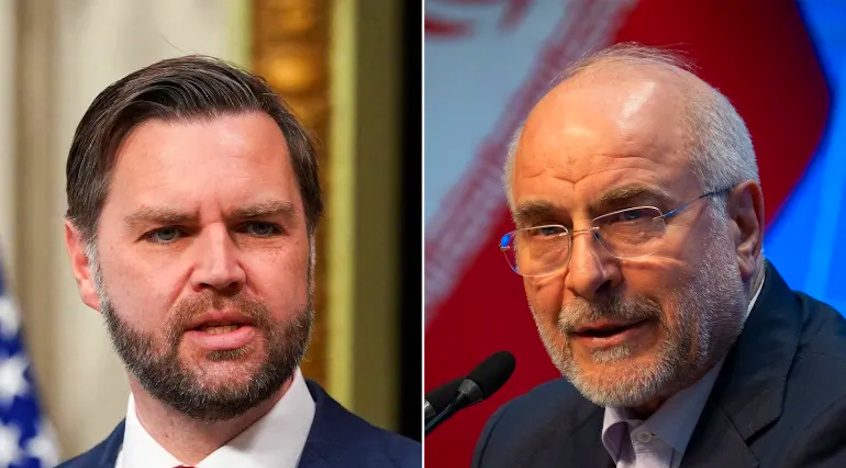
U.S.-Iran negotiations have moved closer to a decisive moment, shifting from general talk of progress to discussion of a final draft.
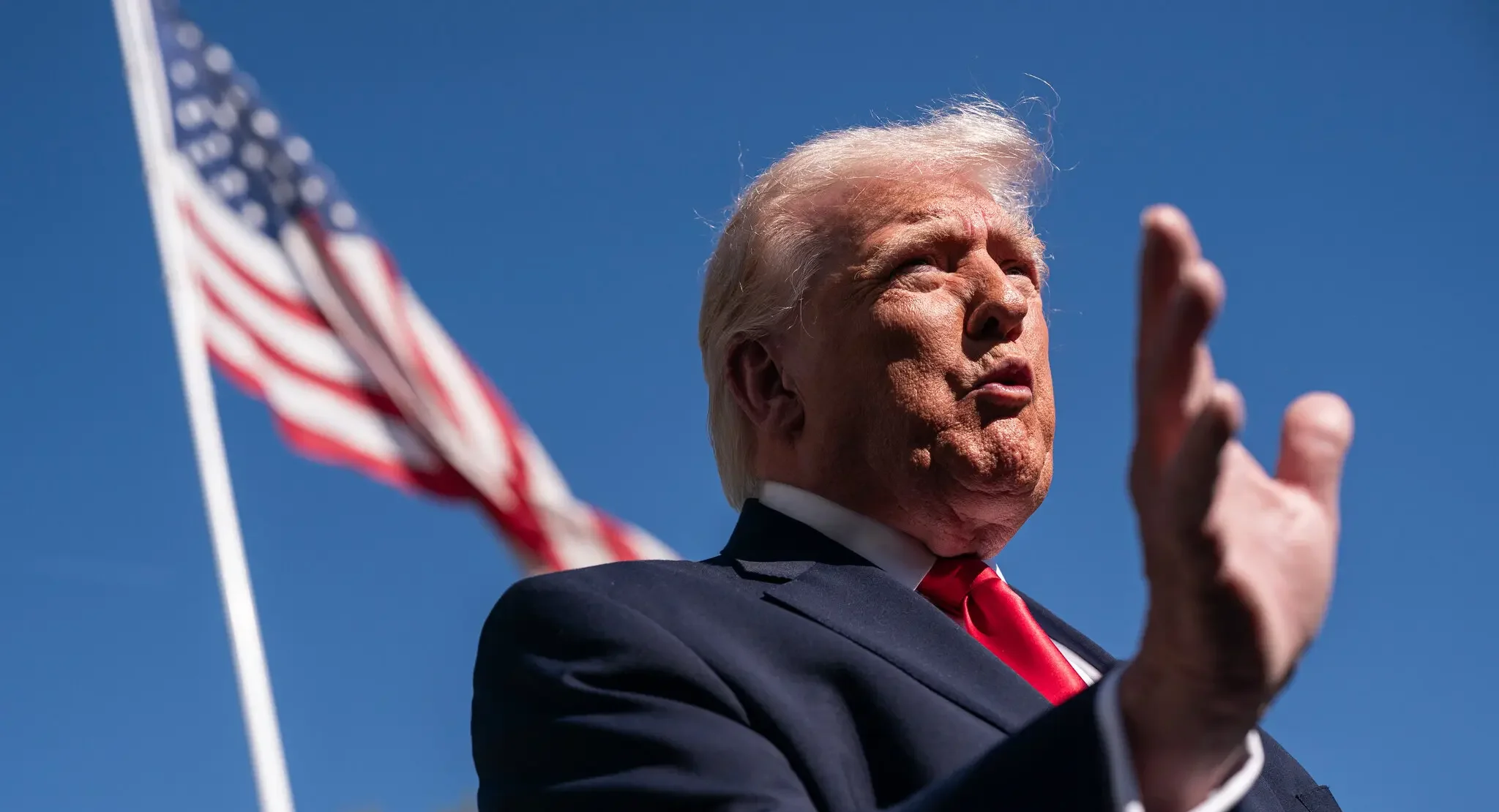
Trump told Axios he expects a deal within a day or two, adding that a new meeting between the two sides could take place over the weekend to settle the remaining details.
At the same time, Israel’s public broadcaster reported that the draft agreement, which includes a mechanism to address the enriched uranium issue, has been sent to Iran’s Supreme Leader for approval — a sign that the discussions have moved beyond broad principles and into the highest level of political decision-making inside Iran.
This development raises expectations, but it does not mean the deal is fully done.
Axios reported that significant progress has been made and that both sides are closing in on a three-page peace plan, but gaps still remain on sensitive issues.
So the picture now looks more like a political endgame around a near-final draft than a signed and formally announced agreement.
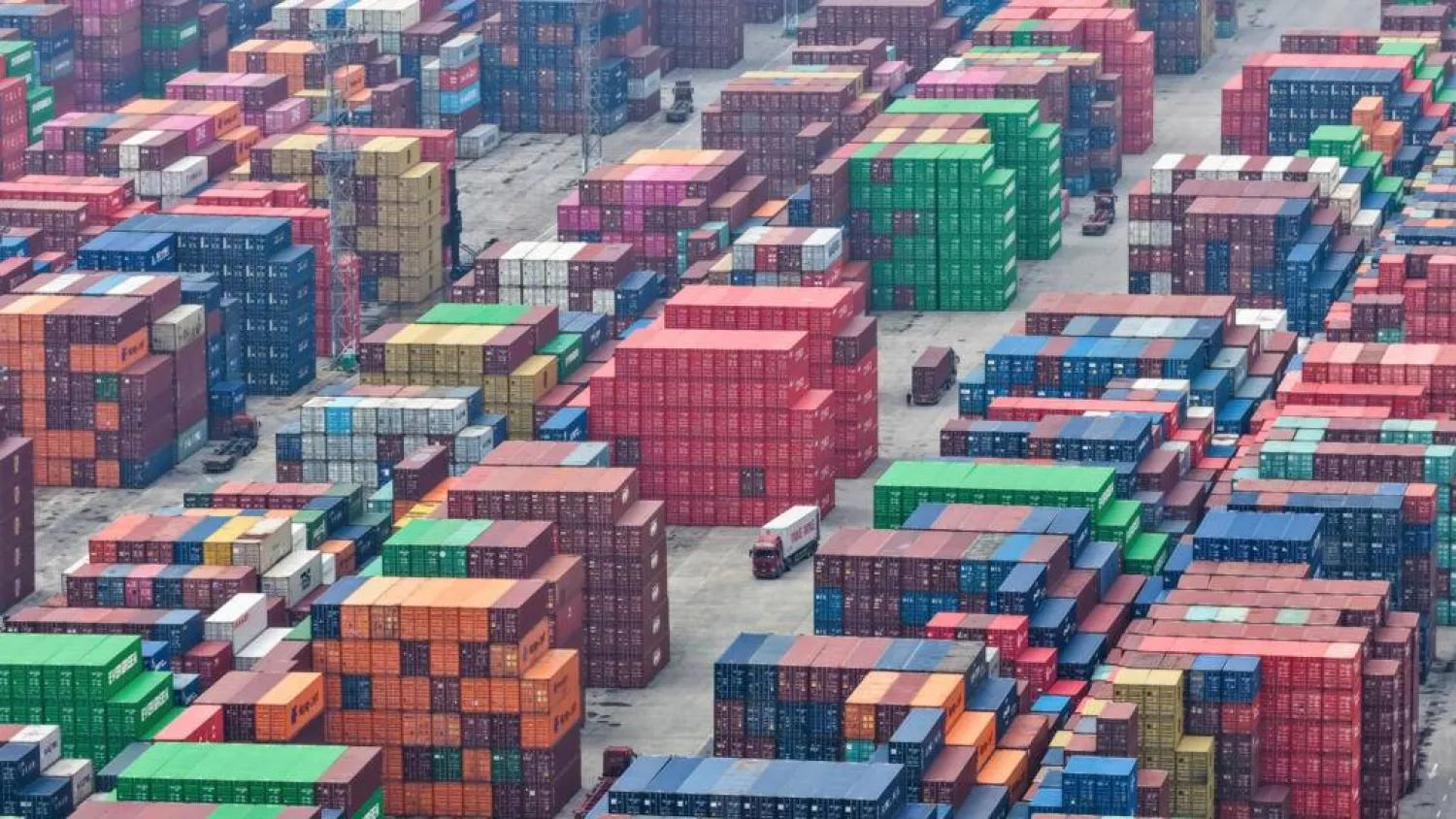
On the strait, Abbas Araghchi announced that the passage would be open to all commercial vessels during the remaining period of the Lebanon ceasefire, along the coordinated route already announced by Iranian maritime authorities.
But Trump also made clear that the U.S. naval blockade on Iran will remain in force until the deal is fully completed.
Then the U.S. Navy added a note of caution, saying the mine threat in parts of the strait is still not fully clear and that the area should be considered for avoidance.
Details
- Trump told Axios that Iran wants a meeting and that he believes a deal could be reached within a day or two.
- Axios said Washington and Tehran are nearing a three-page plan to end the war, but some gaps remain unresolved.
- Israel’s public broadcaster reported that the draft agreement, which includes a solution to the enriched uranium crisis, was sent to Iran’s Supreme Leader for approval.
- If accurate, that step would mean the file has entered the highest sovereign decision-making level in Tehran, not just technical negotiations between delegations.
- Araghchi announced that the Strait of Hormuz would be open to commercial shipping for the remainder of the ceasefire, while Trump said the strait must stay open for الجميع.
- Trump stressed that the naval blockade will remain in force against Iran alone until the deal is 100% complete.
- The U.S. Navy said the mine threat in parts of Hormuz is still not fully clear, meaning the political announcement alone may not be enough to restore operational confidence immediately.
- Trump also linked the deal to Israel’s security and to ending the bombing in Lebanon, despite insisting in other posts that the Iran deal is not directly tied to Lebanon.
What next?
Attention is now on three simultaneous tests: first, whether Tehran approves the draft; second, whether a decisive meeting takes place within days; and third, whether the political understanding can turn into safe, real-world passage through Hormuz without a military or negotiating setback.