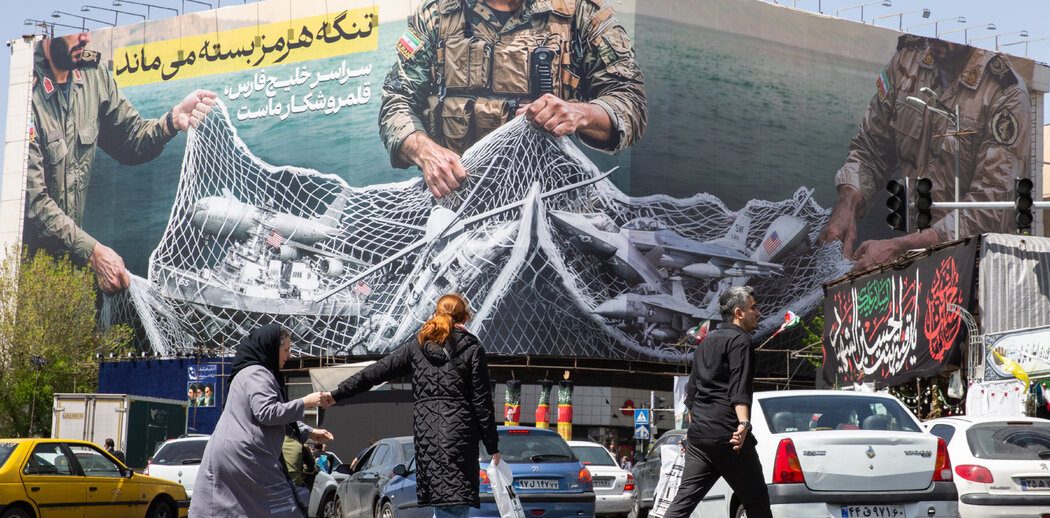
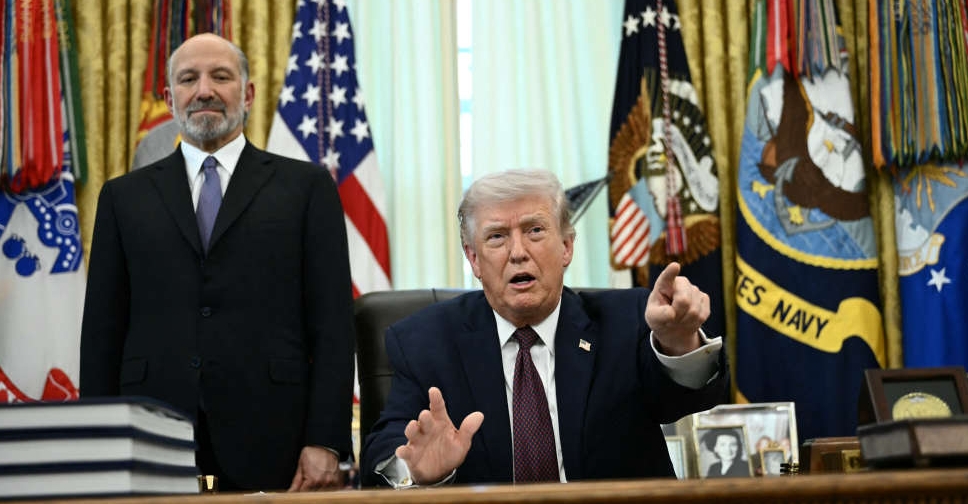
Trump is acting as if he wants every option on the table at once. In his interview with Reuters, he said the United States could leave Iran quickly, but could return if needed to carry out limited strikes. At the same time, he said he is seriously considering withdrawing from NATO because of what he sees as a lack of European support in this war. Soon after, he posted a far harsher message saying the new president of Iran’s regime had asked for a ceasefire, and that Washington would not consider it unless the Strait of Hormuz became open, free, and secure — and until then, we will keep destroying Iran.
Is this deliberate management of ambiguity?
These messages matter more because the political language is being matched by a military flow that does not suggest such a simple withdrawal. Axios says Trump’s conflicting messages have confused even his own team. Some aides believe he is improvising without a clear plan, while others say being impossible to predict is the plan itself. But through all this fog, the administration is still moving additional forces into the region, in what looks more like building greater capacity for escalation than preparing for retreat.
Detail
What makes the April 6 deadline important is that it represents a test point between rhetoric and action. Axios indicates that some U.S. officials believe that if that date approaches without a deal, Trump could launch one final heavy strike on Iranian infrastructure and nuclear facilities, then withdraw. But the same report raises another possibility at the same time: declaring withdrawal within two to three weeks, while keeping the right to return later for periodic strikes if Iran’s missile and drone capabilities remain intact.
On the ground, Washington is moving thousands of additional Marines and sailors into the Middle East to build capacity for possible future operations, including the deployment of the USS Tripoli with its expeditionary unit, adding several ships, thousands of personnel, and F-35 fighter jets to the picture. At the same time, B-52 bombers have begun flying missions over Iran for the first time since the war began, signalling a higher level of air dominance and operational confidence.
This military buildup weakens the argument that Trump no longer cares. A leader assembling this level of force is not acting like someone who has lost interest, but like someone who wants to hold on to the ceiling of threat until the very last moment. But that does not necessarily mean an April 6 strike has become inevitable. The same leaks say Trump is also inclined to declare an early victory and leave quickly, even if the Strait of Hormuz remains closed or no final deal is reached. Here, the contradictory messages become a tool of negotiation and psychological pressure as much as they reflect real hesitation inside the administration.
What next?
Attention is now turning to Trump’s address to the nation later today. If he repeats the logic of a quick withdrawal while keeping the right to return, the more likely reading is that Washington is moving toward a model of sustained pressure, not a war of final decision. But if he again ties the deadline to major action and raises the tone around nuclear facilities and infrastructure, then April 6 will look much more like an execution date. In both cases, the White House does not appear to have fully decided between ending the war and redefining it as a series of intermittent rounds.
(Analysis)
For now, the more likely reading is that Trump is operating from the position of a president who wants to keep both retreat and escalation available at once. The contradiction here is not merely an accidental flaw. It functions as an operating tool:
• It confuses the adversary.
• It unsettles allies.
• It gives Washington wider room before the moment of decision.
But this method carries an obvious cost. The wider the gap grows between the rhetoric and the force that has been assembled, the greater the risk that the strategy shifts from managing ambiguity to creating the impression that the decision itself has not yet matured. That is why tonight’s speech may matter less as a declaration of policy, and more as a test: will Trump turn contradiction into a tactic, or will he keep contradiction itself as the strategy?.