A New York Times report paints the picture of a state operating while wounded at the heart of its leadership. The war, beyond the destruction of sites and facilities, has severed the links between the security and military establishment and the civilian bureaucracy, pushing those officials who remain to work under pressure, fear, confusion, and isolation.
Over the past four weeks, dozens of senior Iranian commanders and their deputies have been killed. Those who survived have begun avoiding direct meetings and routine phone calls, fearing they could be intercepted by the United States or Israel and then turned into airstrike targets. This fear has disrupted command and control mechanisms and weakened the government’s ability to craft new strategies or coordinate large and complex responses.
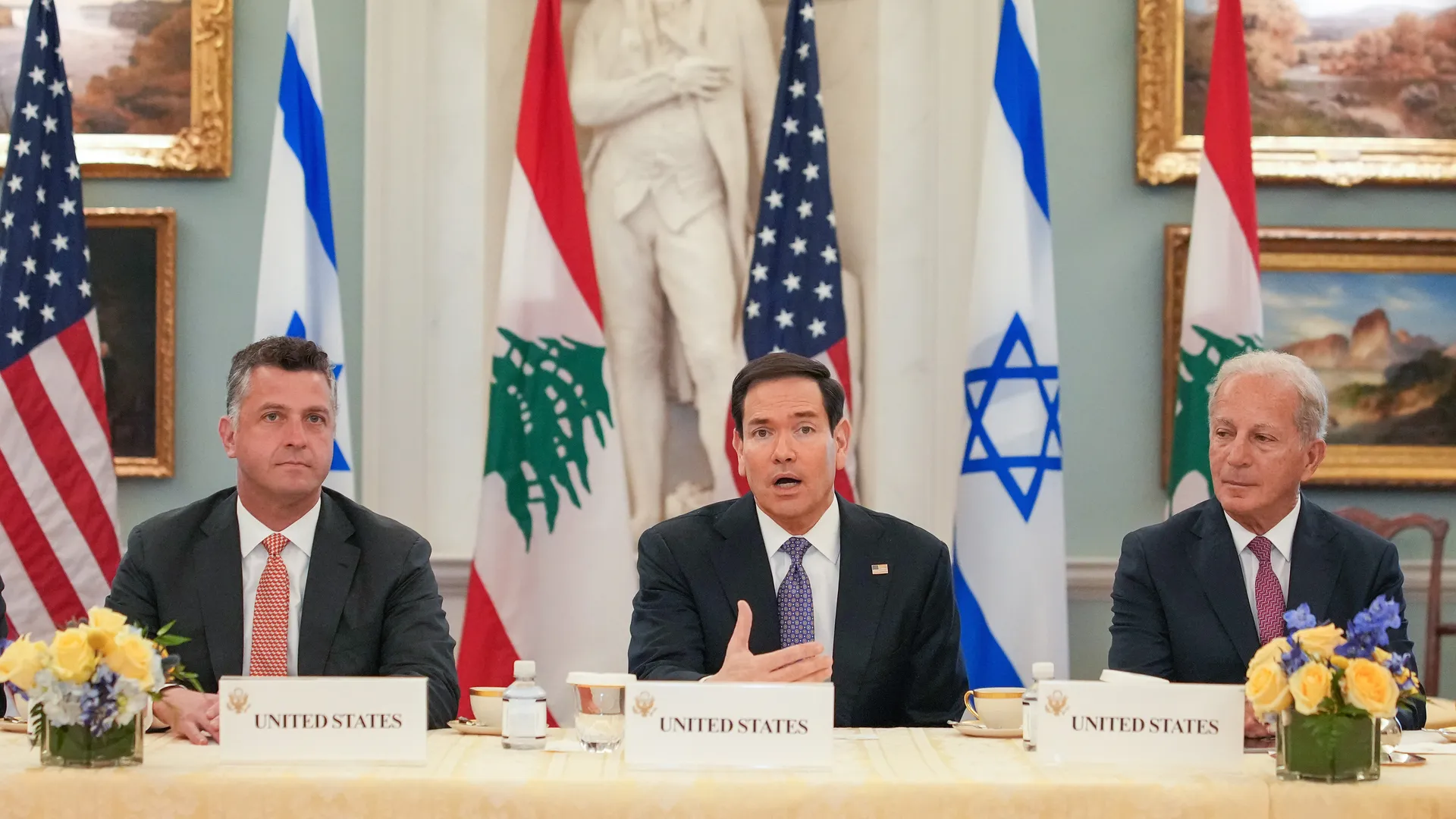
Washington is pressing for a quick deal with a new leadership in Iran. But the more the decision-making center in Tehran erodes, the harder it becomes to reach a coherent negotiating decision. The Iranian negotiator himself may not know the limits of what can be conceded, or even which authority actually holds the final word.
Detail
The report focuses on four central points:
First, Iran’s structure has not fully collapsed, but it has fractured.
Security and military agencies are still functioning, and local field commanders remain capable of launching attacks without waiting for daily direct orders from Tehran. This helps explain how Iran was able to carry out significant strikes, including last week’s missile and drone attack on Prince Sultan Air Base in Saudi Arabia.
Second, this same decentralization has become a double-edged sword. It gives Tehran the ability to keep operating under bombardment, but deprives it of broad and effective coordination. According to the report, Iranian retaliatory strikes have not reached the scale or effectiveness they might have achieved had the top leadership remained cohesive. Orders are now dispersed, and responses come from local commands operating without full coordination with one another.
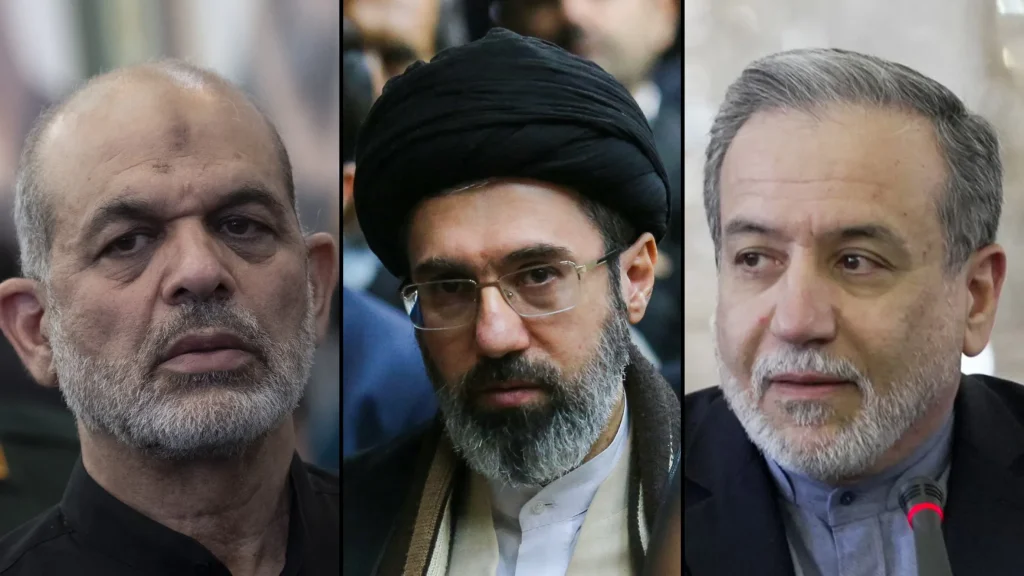
Third, the report notes that hard-liners within the Revolutionary Guards have become more influential than the religious leadership that is nominally supposed to hold decision-making power. Mojtaba Khamenei’s position also does not appear stable or clear. He has not appeared publicly, and U.S. and Israeli intelligence agencies believe he was wounded during the war. Some assessments see him as closer to a symbolic figurehead, while real decision-making is shifting more toward what remains of the Revolutionary Guards leadership.
Fourth, Tehran’s confusion does not mean it is already convinced it is losing day by day. The report quotes current and former officials as saying Iran may move toward a deal when it feels the economic and military cost has become unbearable. But that threshold, despite the heavy losses, may still not have been reached in the eyes of the Iranian leadership.
What’s next?
The next phase will revolve around one question: Can Tehran form a clear decision-making center with the authority to negotiate and commit, or will the fragmentation of leadership prolong the war and make contradictory messages from Iran a permanent feature of the landscape? That is the core of the problem now: the crisis is not only about what remains of Iran’s military power, but about who is really in charge and who is making decisions in its name.